

 Ed Duvico / Pexels
United Kingdom: what to see and when to go
· Cyprus Travel Deals
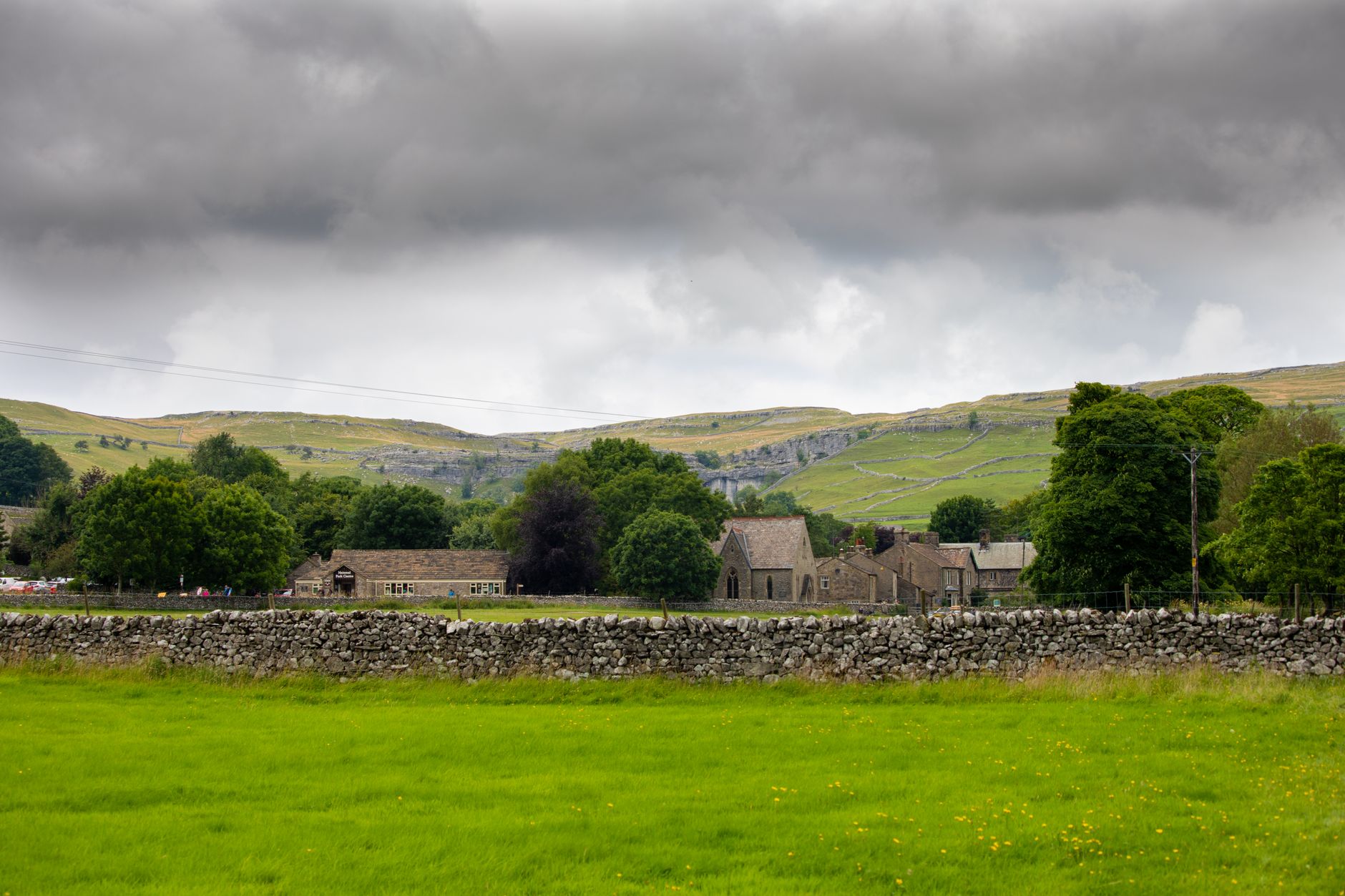
The United Kingdom rains less than its reputation suggests and disappoints anyone who thinks London is the whole story. Step off a train in a Yorkshire market town and you find stone walls dividing green hills into a patchwork, sheep everywhere, and a pub with a fire going in June. The country is small enough to cross in a day and varied enough that the accent, the beer and the landscape all change every hour of driving.
What the UK is actually like
Forget the postcard of red buses and Buckingham Palace guards. That version exists on about six streets in central London and nowhere else. The real UK is four countries stitched together — England, Scotland, Wales and Northern Ireland — that share a passport and argue about almost everything else. The weather is genuinely changeable rather than reliably wet; you can get four seasons between breakfast and lunch, which is why locals carry a jacket in July and treat a sunny day as a minor emergency to be enjoyed immediately.

Coming from Cyprus, the biggest adjustment is light and pace. Summer evenings stretch until ten at night, which feels luxurious. Winter days end by four in the afternoon, which does not. People queue with religious seriousness, apologise reflexively, and warm up considerably once you're inside a pub rather than on the street.
Where to go in the UK
London deserves a few days but not your whole trip. Skip the crowded changing of the guard and spend time in the free national museums, the food markets, and neighbourhoods like Hackney or Peckham where the city actually lives. It is expensive and exhausting in equal measure.
Scotland is where the drama is. Edinburgh is a walkable city of dark stone and steep closes, best in a cold clear light. Beyond it, the Highlands give you empty glens, sea lochs and single-track roads where you pull over to let cars pass. The Isle of Skye is spectacular and increasingly overrun in summer — worth it, but not to yourself.
Wales is underrated. Snowdonia (Eryri) has proper mountains and slate-grey villages; the Pembrokeshire coast in the southwest has cliff paths and beaches that rival anywhere in Britain. It suits walkers and anyone tired of crowds.
The north of England — the Lake District for fells and lakes, the Yorkshire Dales for stone villages, cities like Manchester and Liverpool for music, football and a friendlier tempo than the capital.
Cornwall and the southwest give you the closest thing to a beach holiday, with surf, coves and fishing harbours, though the sea stays bracing even in August.
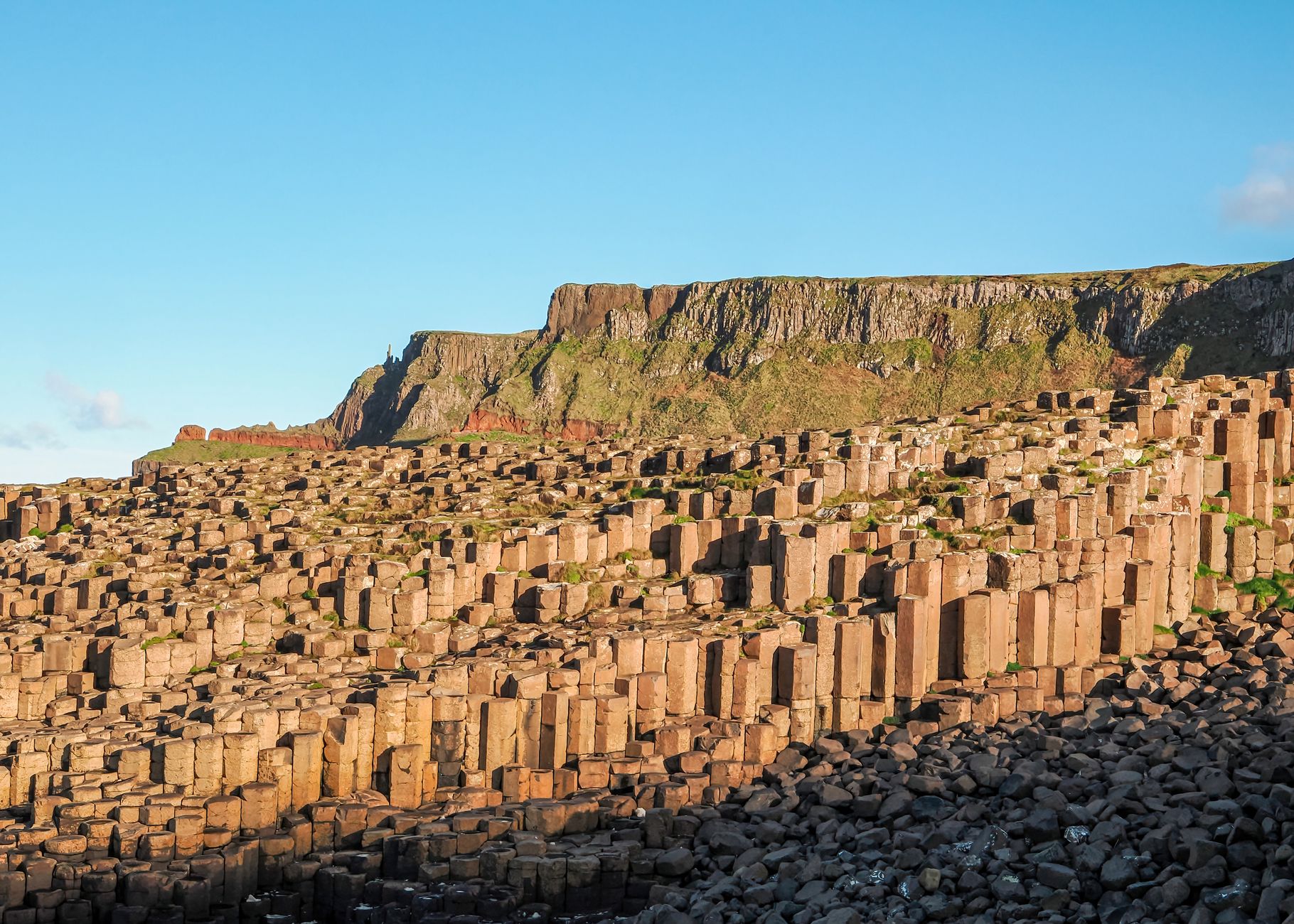
Northern Ireland rewards the effort with the Causeway Coast and a Belfast that has transformed itself within living memory.
Getting around United Kingdom is easiest with your own wheels, so it is worth hiring a car for a few days — and you will find somewhere to stay to suit most budgets.
When to visit
Late spring (May and June) is the sweet spot: long days, hedgerows in flower, gardens at their best, and the crowds of high summer not yet arrived. July and August bring the warmest weather and the busiest sights — the Lake District and Skye clog up, and prices climb. September often delivers the settled, golden weather that August promised and failed to. Autumn turns the woodlands copper and is lovely for cities. Winter is short on daylight and can be grey for weeks, but Christmas markets, cosy pubs and empty landscapes have their own appeal if you dress for it.

What first-time visitors get wrong
They underestimate distances by trusting a small map, then try to do London, Edinburgh and Cornwall in four days. Pick a region and go deep. They also assume everywhere takes the same time as everywhere else — rural Scotland and Wales move on single-track roads and slow trains, not motorways.
Many expect the food to be bad and don't look properly, missing the genuine renaissance in British cooking. And plenty arrive in shorts in July, then spend the trip cold. Layers, a waterproof and decent shoes matter more than any guidebook.
Renting a car makes sense for the countryside but is misery in London and most city centres. Use trains between cities and a car only when you reach the hills.
What to eat
British food has quietly become good, and the clichés about it are decades out of date. A proper Sunday roast — beef, roast potatoes, Yorkshire pudding, gravy — is worth planning your week around. Fish and chips is best eaten near the sea, wrapped in paper, with salt and vinegar.
Go out of your way for a full cooked breakfast, a curry in any city with a strong South Asian community (Birmingham and Bradford especially), Welsh cakes, Scottish smoked salmon and porridge, and a warm pie in a pub. Drink real ale served cool rather than cold, and take afternoon tea once for the ritual. The pub, more than any museum, is where you understand the country.


