

 jhon alexis / Pexels
Thailand: what to see and when to go
· Cyprus Travel Deals
The first thing that hits you in Bangkok is the smell: charcoal smoke, lemongrass, exhaust fumes, and jasmine garlands all at once, usually before you've even left the pavement outside your hotel. Thailand rewards people who lean into that sensory overload rather than fight it. Come expecting temples and beaches and you'll get them, but the country's real texture is in the ordinary stuff — the plastic stool on a food-stall corner, the 6am monk procession, the overnight train rattling north through rice paddies.
What Thailand is actually like
The postcard sells you turquoise water and golden spires, and both exist. What the postcard leaves out is how varied and, in places, how ordinary the country is between those highlights. Bangkok is a sprawling, humid megacity where gleaming malls sit next to canal-side slums. The north is cooler, greener and slower. The south is where the famous beaches are, and where the crowds concentrate.

Thailand is also genuinely easy to travel. The tourist infrastructure is deep and well-worn, English is common in visitor areas, and getting around is cheap and frequent. That ease is a double edge: some places have been so thoroughly shaped by tourism that they feel like a version of Thailand performed for outsiders. The trick is knowing which spots to slow down in and which to pass through.
Where to go in Thailand
Bangkok deserves more than the day or two most people give it before fleeing to a beach. Spend time here and it opens up: the Grand Palace and Wat Pho are the obvious draws, but the better hours are spent eating your way through Chinatown, taking a river ferry up the Chao Phraya, and getting lost in a neighbourhood like Thonburi.

Chiang Mai in the north suits anyone who found Bangkok exhausting. It's walkable, ringed by old city walls and moats, full of temples and coffee shops, and close to forested hills. From here you reach smaller towns like Pai and the mountains around Chiang Rai. This is the region for cooking classes, markets, and elephant sanctuaries — choose the genuinely ethical ones that don't offer riding.
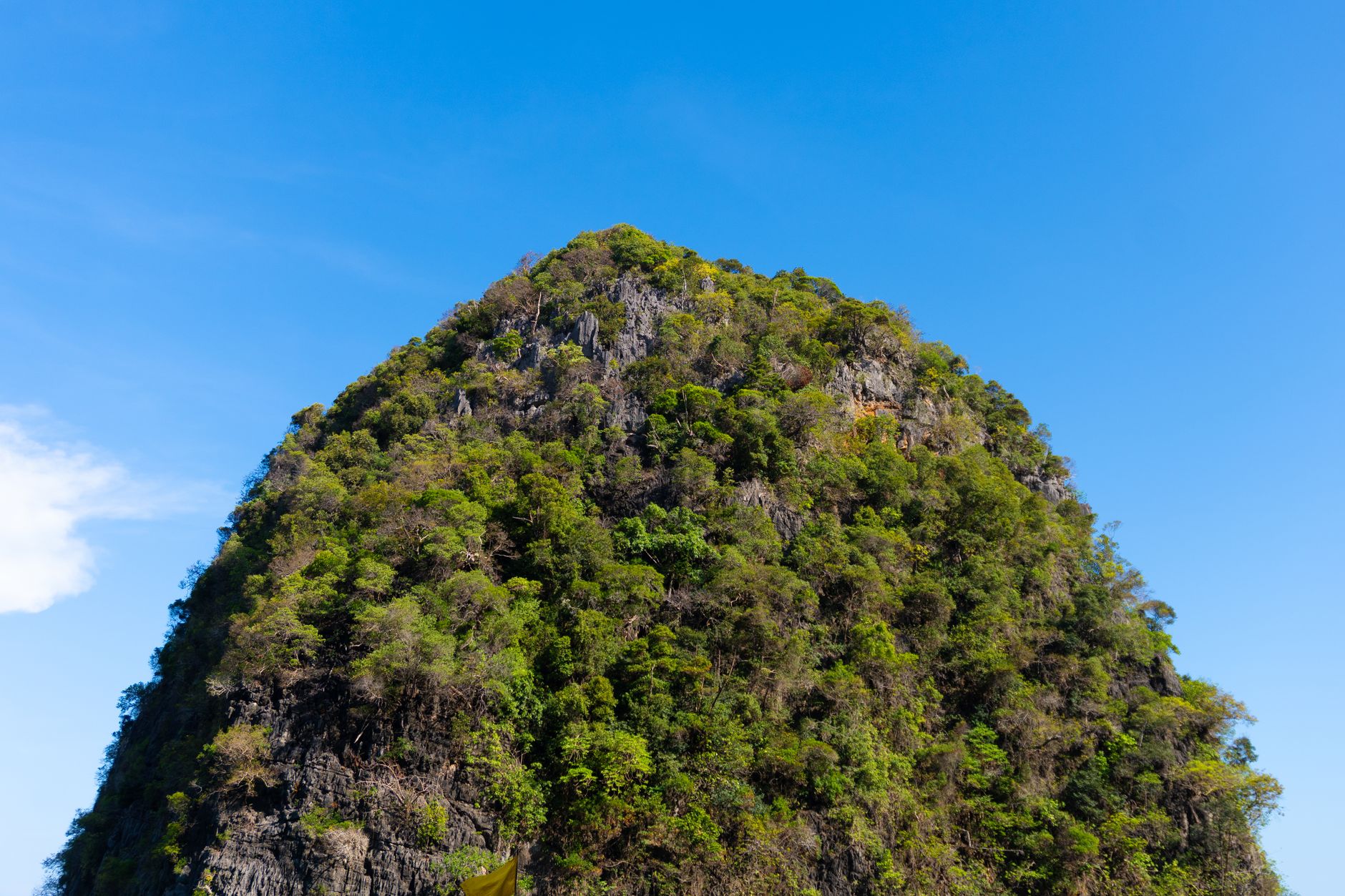
The islands and southern beaches split into two coasts. The Andaman side (Phuket, Krabi, Ko Phi Phi, Ko Lanta) has the dramatic limestone karsts and clearer high-season water. The Gulf side (Ko Samui, Ko Pha Ngan, Ko Tao) runs on a different weather calendar and has the diving. Phuket and Phi Phi are heavily developed and can feel like a theme park; Ko Lanta and Ko Tao stay calmer.
For something quieter, Isaan in the northeast sees few foreign visitors and is where much of the country's best, fieriest food comes from. Ayutthaya, the ruined old capital, makes a rewarding day trip from Bangkok.
Getting around Thailand is easiest with your own wheels, so it is worth hiring a car for a few days — and you will find somewhere to stay to suit most budgets.
When to visit
The broad rule: November to February is the cool, dry season and the most comfortable time to travel, especially inland. It's also the busiest, so temples and beaches are at their most crowded and rooms are at their priciest.
March to May is hot — genuinely, sit-in-the-shade hot, with temperatures that make midday sightseeing a poor idea. The southern March-into-April stretch also brings agricultural burning haze to the north, which can smother Chiang Mai for weeks.
The green season, roughly June to October, means rain, but usually in sharp afternoon bursts rather than all-day grey. Landscapes are lush, crowds thin, and the trade-off is real value against the risk of a washed-out beach day. Remember the two coasts get rain at different times, so you can often chase drier weather across the country.
What first-time visitors get wrong
The most common mistake is trying to do everything: Bangkok, the north, and three islands in ten days, most of it spent in transit. Pick two regions and let them breathe.

The second is dressing for temples as if for the beach. Shoulders and knees covered, shoes off — this isn't negotiable at the major sites, and no amount of heat excuses it.
People also overpay and over-stress on transport. Metered taxis, ride-hailing apps and tuk-tuks are all around; agree a price before you get in a tuk-tuk, and don't accept the "that temple is closed today, let me take you to my friend's shop" routine. And treat the street food with respect, not fear — the busy stall with a queue of locals is safer than the empty tourist restaurant.
What to eat
Eat where Thais eat, and eat often. The best meals are usually the cheapest: som tam (green papaya salad, order it less spicy if you must), khao soi in the north — a curry-noodle soup you won't find as easily elsewhere — grilled river fish, boat noodles, mango with sticky rice.
Go beyond the pad thai. Regional cooking is the point: the sour-hot larb and grilled meats of Isaan, the coconut-rich curries of the south, the herby freshness of the north. Wash it down with fresh fruit shakes, and take the iced coffee seriously — it's everywhere and it's good.
