

 Miguel Cuenca / Pexels
Sweden: what to see and when to go
· Cyprus Travel Deals
Picture a country where the sun barely sets in June and barely rises in December, where strangers queue with the patience of saints, and where a plain cinnamon bun comes wrapped in its own ritual. Sweden is long — longer than most people expect, stretching from the beech forests of the south to Arctic tundra where reindeer outnumber cars. For anyone coming from the compact, sun-baked geography of Cyprus, the sheer scale and the strangeness of the light are the first things that register.
What Sweden is actually like
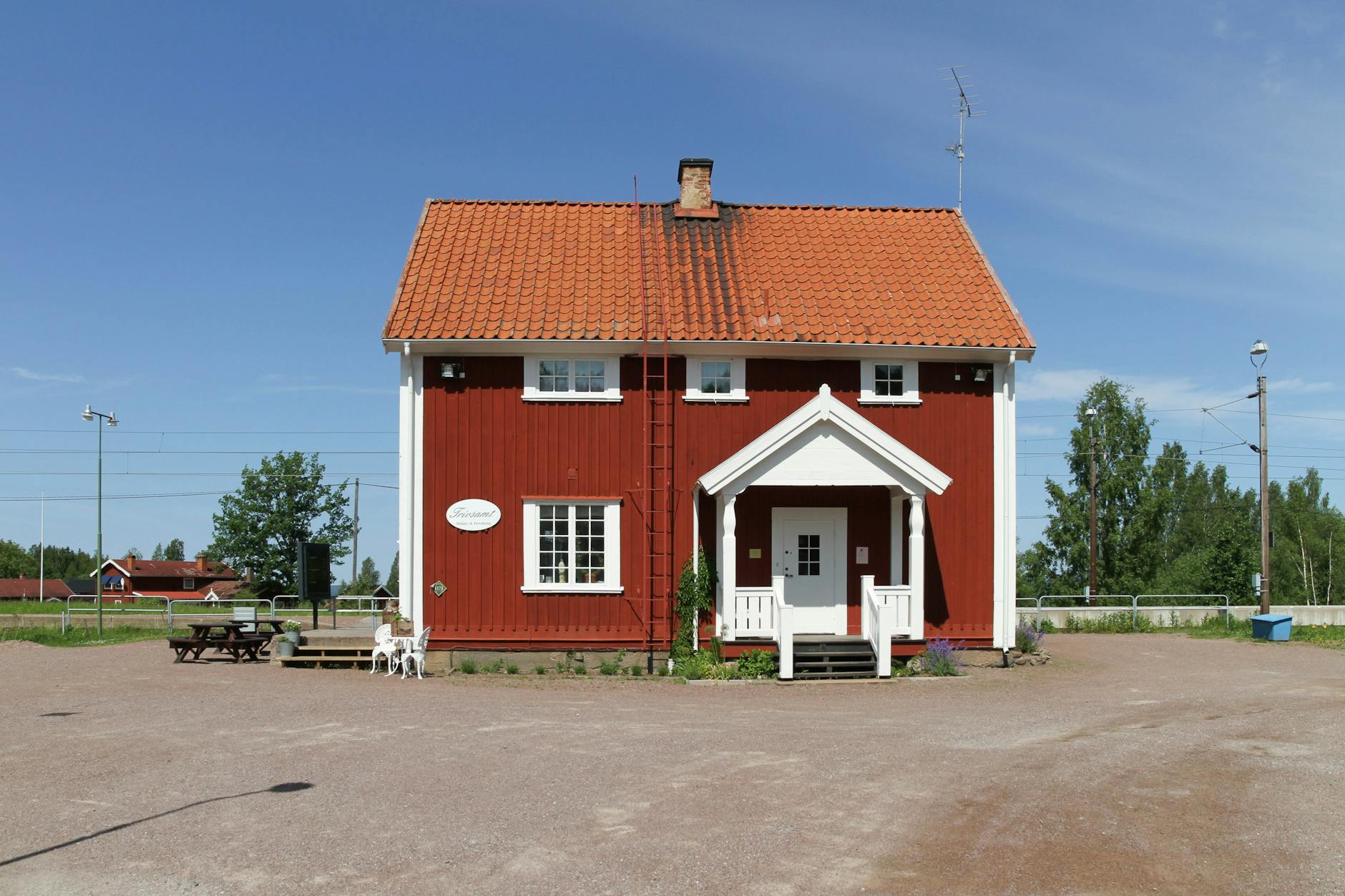
The postcard sells you red wooden cottages by still lakes, and those exist, mostly in the region called Dalarna. But everyday Sweden is more urban and more modern than the calendar photos suggest. Stockholm is glass and steel as much as old stone; Malmö feels half-Danish; the far north is empty in a way that Mediterranean minds find genuinely disorienting — you can drive an hour and pass three cars.
The culture runs quiet. People value personal space, don't fill silences with small talk, and treat rules as things that are simply followed. Coming from the warm, loud sociability of a Cypriot village, this can read as coldness. It isn't. It's reserve, and it thaws over a shared meal or a few drinks. The flip side is that things work: trains run, systems are honest, and you rarely feel hustled.
Where to go in Sweden
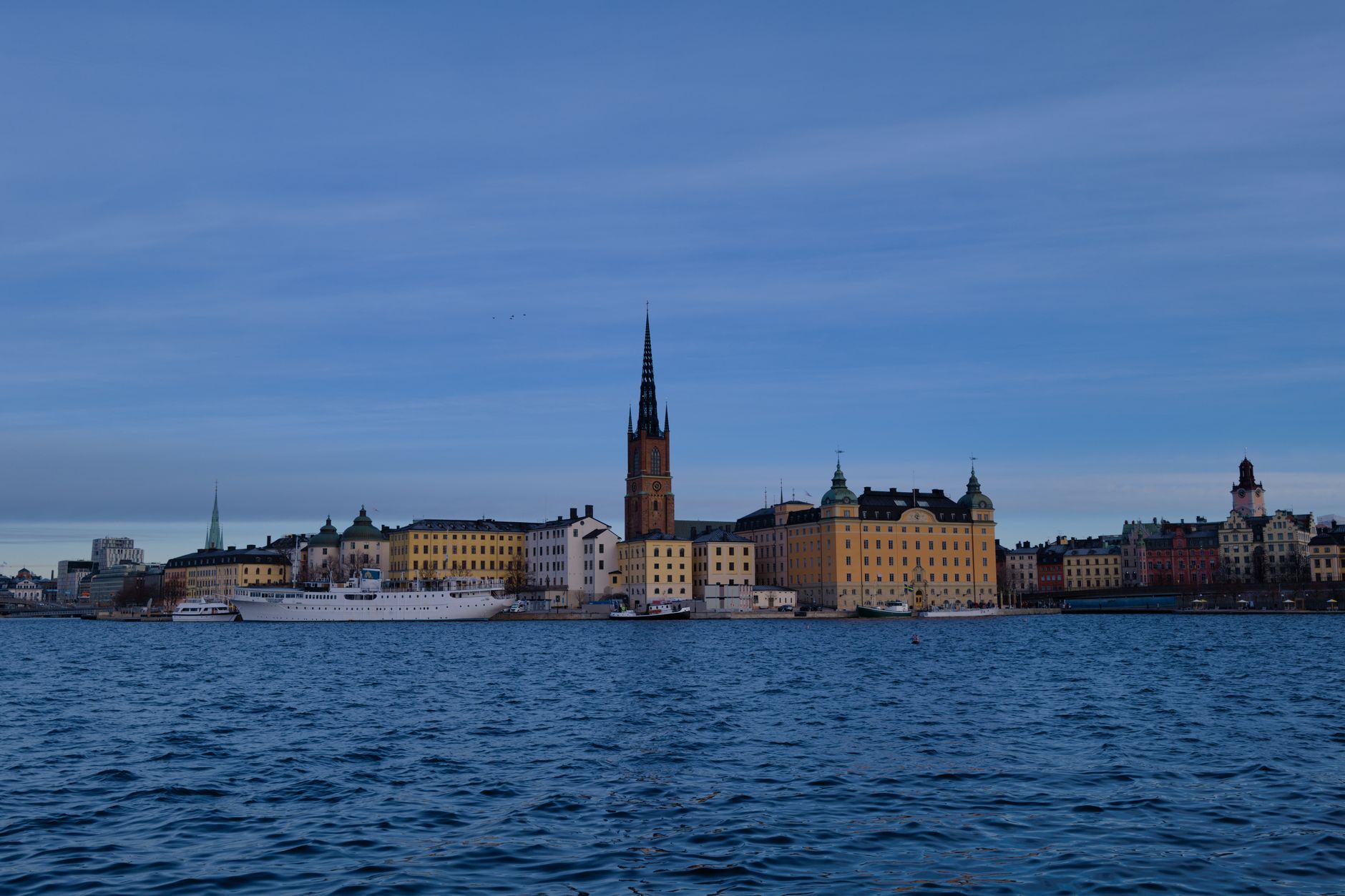
Stockholm is the obvious start and deserves it. The city sits on fourteen islands, and the old town, Gamla Stan, is a knot of ochre buildings and narrow lanes worth a morning before the tour groups arrive. Djurgården, the green island, holds the Vasa Museum — a seventeenth-century warship that sank on its maiden voyage and was raised almost intact. It's the one sight I'd tell you not to skip.
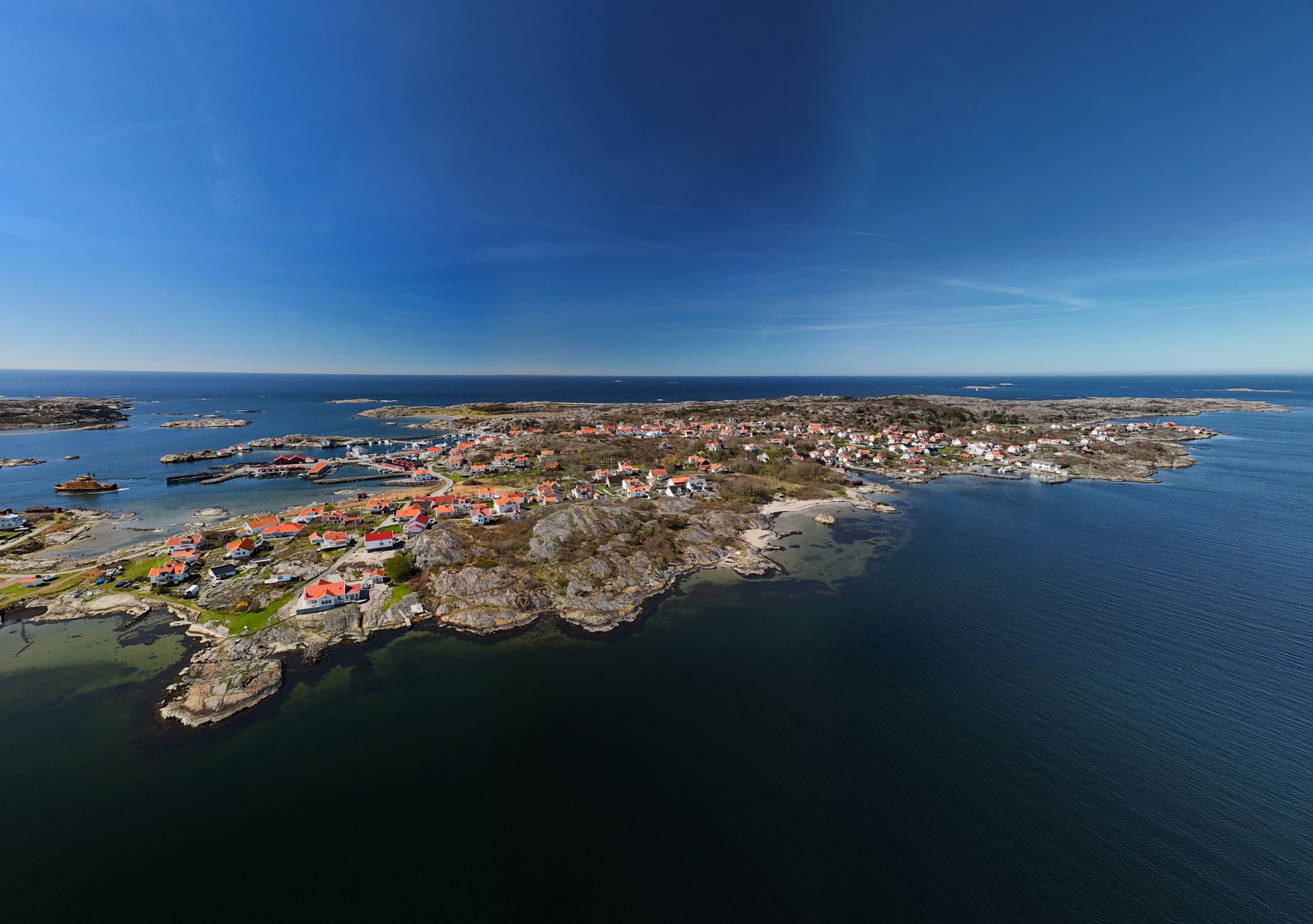
Gothenburg on the west coast is friendlier, less polished, built on seafood and industry. The archipelago just offshore is car-free and rocky, good for a slow day of island-hopping and a plate of prawns.
The south — Skåne — is farmland, castles and coastline, gentler weather and a food scene that punches hard. Malmö is young and multicultural.
Swedish Lapland, up north, is the trip that will stay with you: the midnight sun in summer, the northern lights and snow in winter, husky sledding, and the Sámi culture that predates the Swedish state. It suits travellers willing to invest time and put up with genuine cold.
Getting around Sweden is easiest with your own wheels, so it is worth hiring a car for a few days — and you will find somewhere to stay to suit most budgets.
When to visit
Summer, roughly June to August, is when Sweden comes alive. The days stretch endlessly, cafés spill onto pavements, and Swedes decamp to lakeside cabins. It's the easiest time to visit but also the busiest, and July can feel oddly empty in cities because half the country is on holiday.

Autumn brings colour and calm, and prices ease. Winter is the trade-off season: Stockholm can be grey and dark by mid-afternoon, which surprises people badly if they aren't ready for it, but the north turns magical with snow and the aurora. Spring arrives late and reluctantly, but when it comes, the relief in the air is almost physical.
For a Cyprus resident, the honest warning is the darkness. December daylight in the south is short; in the far north the sun doesn't clear the horizon at all. Plan around that rather than being blindsided.
What first-time visitors get wrong
They underestimate distances, treating Sweden like a city break when Stockholm to the Arctic is farther than most cross-country trips in Europe. Pick a region rather than trying to sweep the whole map.
They also underestimate cost. Sweden is expensive, especially alcohol, which is sold through a state-run monopoly with limited hours. And the country is largely cashless — many places won't take notes at all, so a working card matters more than a wallet of cash.
Finally, they overpack the itinerary and skip the point of the place, which is slowness: coffee, forest, water, quiet.
What to eat
The ritual to learn is fika — a coffee break with something sweet, usually a cinnamon or cardamom bun, taken seriously and often. Do it daily.
Beyond that, seek out fresh seafood on the west coast, pickled and cured herring, and the gravlax that puts supermarket smoked salmon to shame. Meatballs with lingonberry and cream sauce are the cliché, and a good version earns it. In the north, try reindeer and cloudberries. Bakeries are consistently excellent, far more reliable than restaurants at the mid-range.
Go hungry, go slow, and let the long light do the rest.
