

 Atlantic Ambience / Pexels
Sri Lanka: what to see and when to go
· Cyprus Travel Deals
The train from Kandy to Ella runs slow enough that you can lean out the open doorway and watch tea pickers work the hillsides, banana leaves brushing the carriage as it curves through the highlands. Sri Lanka packs a startling amount into an island roughly the size of Ireland: leopards and elephants, ruined cities older than most of Europe's cathedrals, surf beaches, and a food culture that runs hotter and more inventive than the neighbouring subcontinent it gets lumped in with.
What Sri Lanka is actually like
Forget the single postcard image. The island shifts character every few hours of driving. The south coast is palm-fringed and languid; the central hills are cool, misty and green; the north and east are drier, flatter, and culturally distinct, shaped by Tamil communities and a long civil war that ended in 2009. You feel that history in the north especially — Jaffna is only now settling into tourism, and it feels nothing like the resort strips of the south.

Travel here rewards patience. Roads are narrow and slow, buses are chaotic, and a distance that looks like an hour on a map can eat half a day. Rushing Sri Lanka is the surest way to hate it. Give it time and it hands you tea estates, temple bells at dawn, and beaches where you might be the only foreigner in sight.
Where to go in Sri Lanka
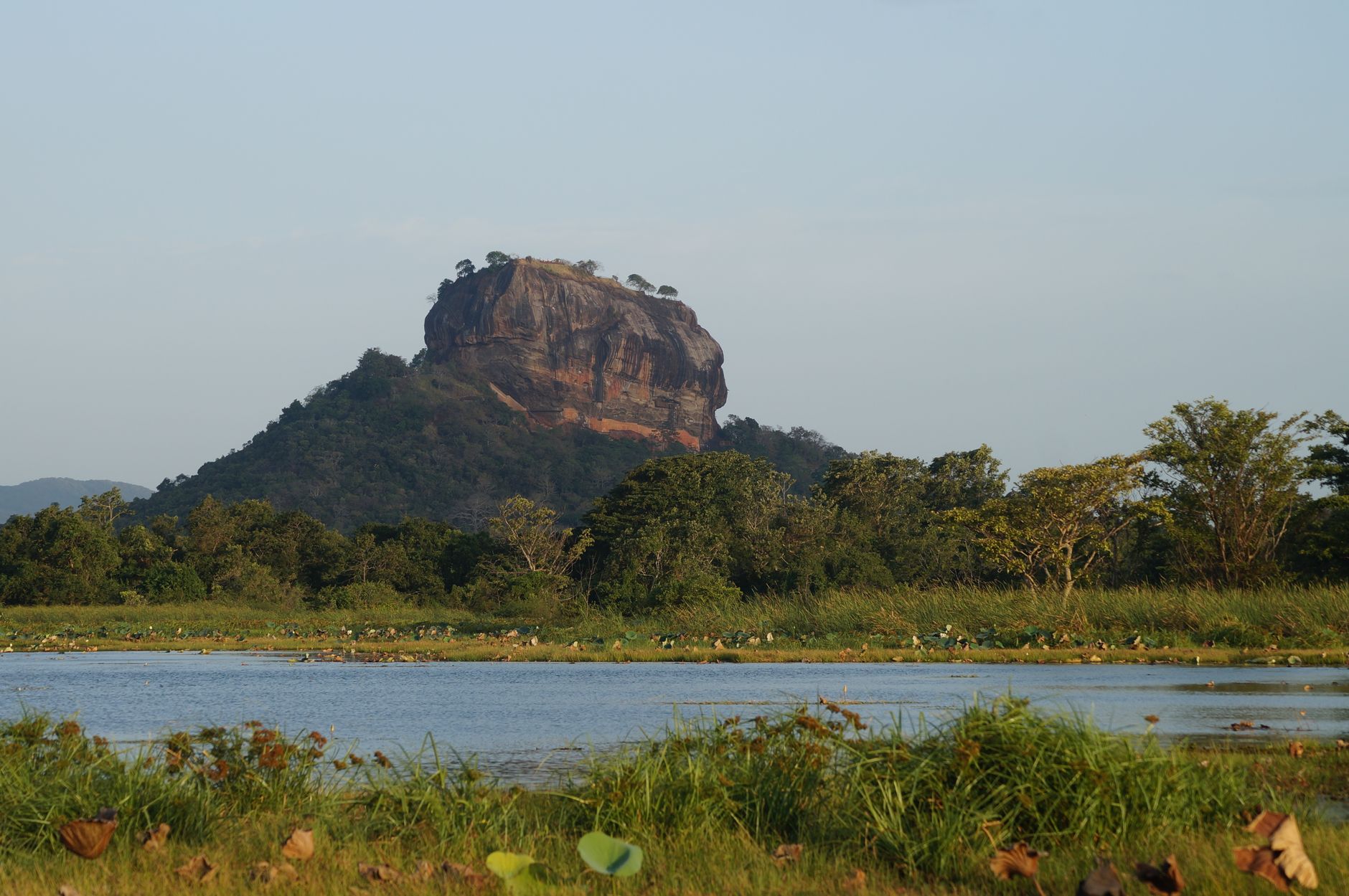
The Cultural Triangle in the centre-north holds the big ancient sites: the rock fortress of Sigiriya, the cave temples at Dambulla, and the ruined royal cities of Anuradhapura and Polonnaruwa. This is where to come for history and for the sense that people have been building serious things here for well over two thousand years.
Kandy and the hill country suit anyone who wants cool air and green landscape. Kandy itself, home to the Temple of the Tooth, is worth a night or two but the real pleasure is the highlands beyond — Nuwara Eliya with its tea plantations and colonial-era feel, and Ella, a small town wedged in the hills that has become a hub for walkers and the famous train ride.
The south coast is the classic beach run: Galle with its walled Dutch-era fort, and a string of beach towns like Mirissa, Unawatuna and Weligama that draw surfers and sunseekers. It's the most developed and the busiest, but the fort at sunset earns its reputation.
The east coast — Arugam Bay, Trincomalee, Batticaloa — is quieter, with its own surf season and a slower pace. Yala and Wilpattu national parks are where you go for leopards and elephants; Yala is more crowded, Wilpattu wilder and less visited.
Jaffna and the north reward the curious traveller who wants somewhere still finding its feet.
Getting around Sri Lanka is easiest with your own wheels, so it is worth hiring a car for a few days — and you will find somewhere to stay to suit most budgets.
When to visit
Sri Lanka has two monsoons hitting opposite coasts, which is the single most useful thing to understand before you go. Roughly, the southwest (south coast and hill country) is driest and best from December to March. The east and north are at their best from around May to September, when the south can be wet.

This means there is almost always somewhere on the island in good weather — you just have to match the region to the month. December to March is peak season on the south coast, and it feels it: fuller beaches, higher prices, busier sites. The shoulder months either side are calmer. The hill country stays cool year-round and can be genuinely cold and damp at night, so pack a layer even when the coast is sweltering.
What first-time visitors get wrong
The biggest mistake is trying to see everything in a week. Pick two or three regions and go deep. The second is underestimating the driving times and the state of the roads — hiring a car and driver for part of the trip is common and takes the stress out of it.

People also assume the food is like Indian food and order accordingly. It isn't, quite, and the spice levels can be serious. And when visiting temples, covered shoulders and knees are expected, shoes come off, and turning your back to a Buddha statue for a photo is considered rude — small things that matter.
What to eat
Rice and curry is the daily staple, and done well it's a spread of small dishes — dhal, jackfruit, sambols, a fish or chicken curry — built around rice. Hoppers, the bowl-shaped fermented pancakes, come plain or with an egg cracked into the centre. Kottu, roti chopped and fried on a griddle with vegetables and egg, is the sound of every evening street corner. Seek out fresh king coconut for the water, and the seafood on the coast — crab curry in particular. And the tea, of course, drunk strong and sweet, is the thread that runs through the whole island.