

 Mehmet Turgut Kirkgoz / Pexels
Spain: what to see and when to go
· Cyprus Travel Deals
Spain is not one country pretending to be many; it is many pretending to be one. Cross from Andalusia into the Basque Country and the food changes, the language changes, the light changes, even the way people argue about lunch changes. A Cypriot arriving expecting one flavour of Mediterranean will find something both familiar and stranger than expected — the same olive trees and late dinners, but colder mountains, greener north, and cities that feel built for walking off a meal.
What Spain is actually like
Forget the flamenco-and-sangria shorthand. That is Andalusia, roughly, and even there it is a fraction of the picture. The centre of the country is high, dry plateau — Madrid sits higher than you would guess and gets genuinely cold in winter. The north coast, from Galicia across to San Sebastián, is wet, Atlantic and lush, with a cuisine built on seafood and cider rather than gazpacho. Catalonia and Valencia face the same sea Cyprus does but feel more industrial, more urban, more Roman.

What unites the place is the rhythm of the day. Lunch is the main event, eaten late and unhurried. Dinner starts when a Cypriot might be thinking of bed. Shops in smaller towns still close in the afternoon. If you fight this rhythm you will spend your trip hungry and annoyed; if you lean into it, it makes complete sense.
Where to go in Spain
Madrid suits people who like cities for their own sake — the Prado, all-night neighbourhoods, and the best casual eating in the country. It has no beach and no famous single monument, and that is precisely its charm; it rewards wandering rather than ticking sights.

Barcelona is the obvious first trip, and it earns it: Gaudí's buildings genuinely stop you in the street. It is also crowded, pickpocket-prone around the tourist arteries, and increasingly resentful of visitors. Go, but go with your eyes open and get off La Rambla quickly.
Andalusia — Seville, Granada, Córdoba — is the Spain of the imagination, and here the imagination is mostly right. The Alhambra in Granada is worth planning a whole trip around, and Seville in spring is intoxicating. Summer here is brutal, though. Inland Andalusian cities in July and August hit temperatures that make midday sightseeing a mistake.
The north — San Sebastián, Bilbao, the Galician coast — is for travellers who have already done the postcards and want the food and the green. San Sebastián is one of the great eating cities anywhere. Bring a raincoat and lower your beach expectations.
Valencia is the underrated middle ground: a real city with a real beach, the birthplace of paella, and far fewer crowds than Barcelona.
Getting around Spain is easiest with your own wheels, so it is worth hiring a car for a few days — and you will find somewhere to stay to suit most budgets.
When to visit
Spring (roughly April to June) and autumn (September to October) are the honest answer. The weather is warm without being punishing, and the interior cities are actually pleasant to walk.

July and August are the trap. Madrid and inland Andalusia bake, and paradoxically many locals flee to the coast, so some city restaurants and shops simply close. The coasts are packed. Cyprus readers already know summer heat, so there is little reason to seek out more of it inland.
Winter is quietly good for city breaks. Madrid, Barcelona and Seville are cool, cheap and calm, though the north will be grey and wet, and mountain regions genuinely cold.
What to eat
Tapas is a way of eating, not a dish — a crawl from bar to bar, one small plate and one drink at each, standing up. In parts of the north, especially San Sebastián and Bilbao, the equivalent is pintxos laid out on the counter; you take what you want and settle up on trust.
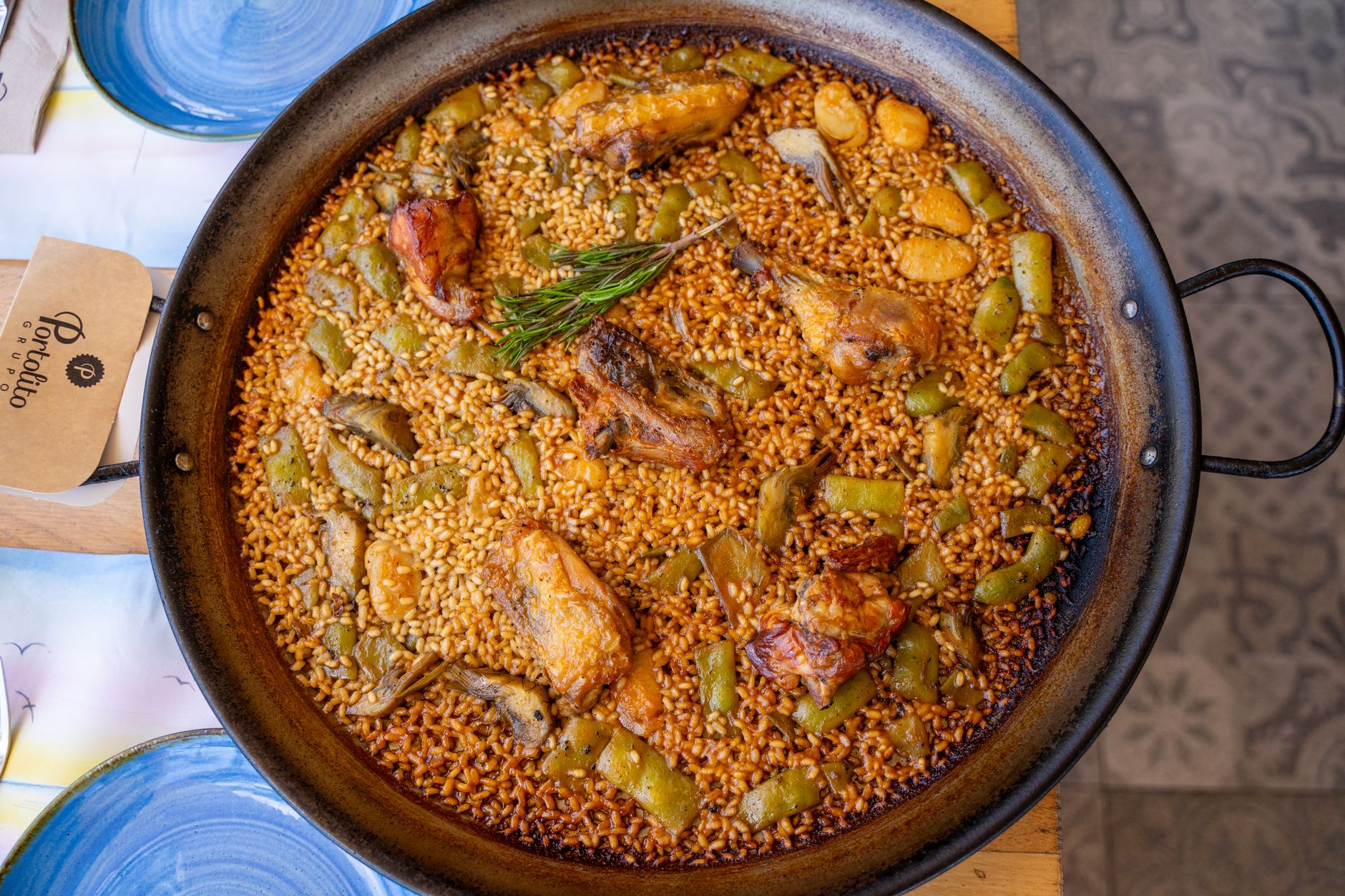
Go out of your way for proper paella in the Valencia region, where it is made with rabbit and beans as often as seafood, and cooked over a wide flat pan for the crust at the bottom. Seek out jamón ibérico, the acorn-fed cured ham, and Galician-style octopus. In the Basque Country, order the grilled turbot and the seared beef chops. Drink the local wine wherever you are rather than defaulting to Rioja — Ribera del Duero, Priorat and Galician whites reward curiosity.
What first-time visitors get wrong
They eat too early and end up in tourist-trap restaurants that serve at "normal" hours. They order sangria, which locals rarely drink; ask for a caña (small draught beer) or tinto de verano instead. They try to combine Barcelona, Madrid and Seville in a long weekend and spend the trip in transit. And they treat siesta-closed towns as broken rather than resting. Slow down, match the local clock, and pick one region per trip.
