

 Mark Baldovino / Pexels
Singapore: what to see and when to go
· Cyprus Travel Deals
Singapore fits inside a space smaller than the Larnaca–Limassol commute, yet it packs a rainforest, a container port that runs the global economy, and hawker stalls where a plate of chicken rice costs less than a coffee. The heat hits you the second the airport doors slide open — a wet, greenhouse warmth that never really lets up, day or night, month after month. This is a city that decided to be a country, and it shows in every hedge, queue and traffic light.
What Singapore is actually like
Forget the "sterile and soulless" line you may have heard. It survives as a lazy summary. Yes, the streets are clean and the trains run on time, but the texture is anything but bland. Singapore is Malay, Chinese, Tamil and British colonial history layered on top of each other, sometimes on the same block. You can eat a South Indian breakfast, buy incense at a Taoist temple and pass a mosque before lunch.
What surprises most first-timers is how green it is. This isn't a grey megacity. Trees arch over the expressways, ferns grow out of overpass columns, and there's genuine jungle at the centre of the island. It's also relentlessly vertical and dense, and everything costs money — a coffee-with-friends afternoon adds up fast. The trade-off for the order and safety is that Singapore rarely feels spontaneous or scruffy in the way a good Mediterranean city does. If you need mess to feel alive, you'll notice its absence.
Where to go in Singapore
The island is small enough to cross in an hour, so "regions" really means neighbourhoods, each with a different character.

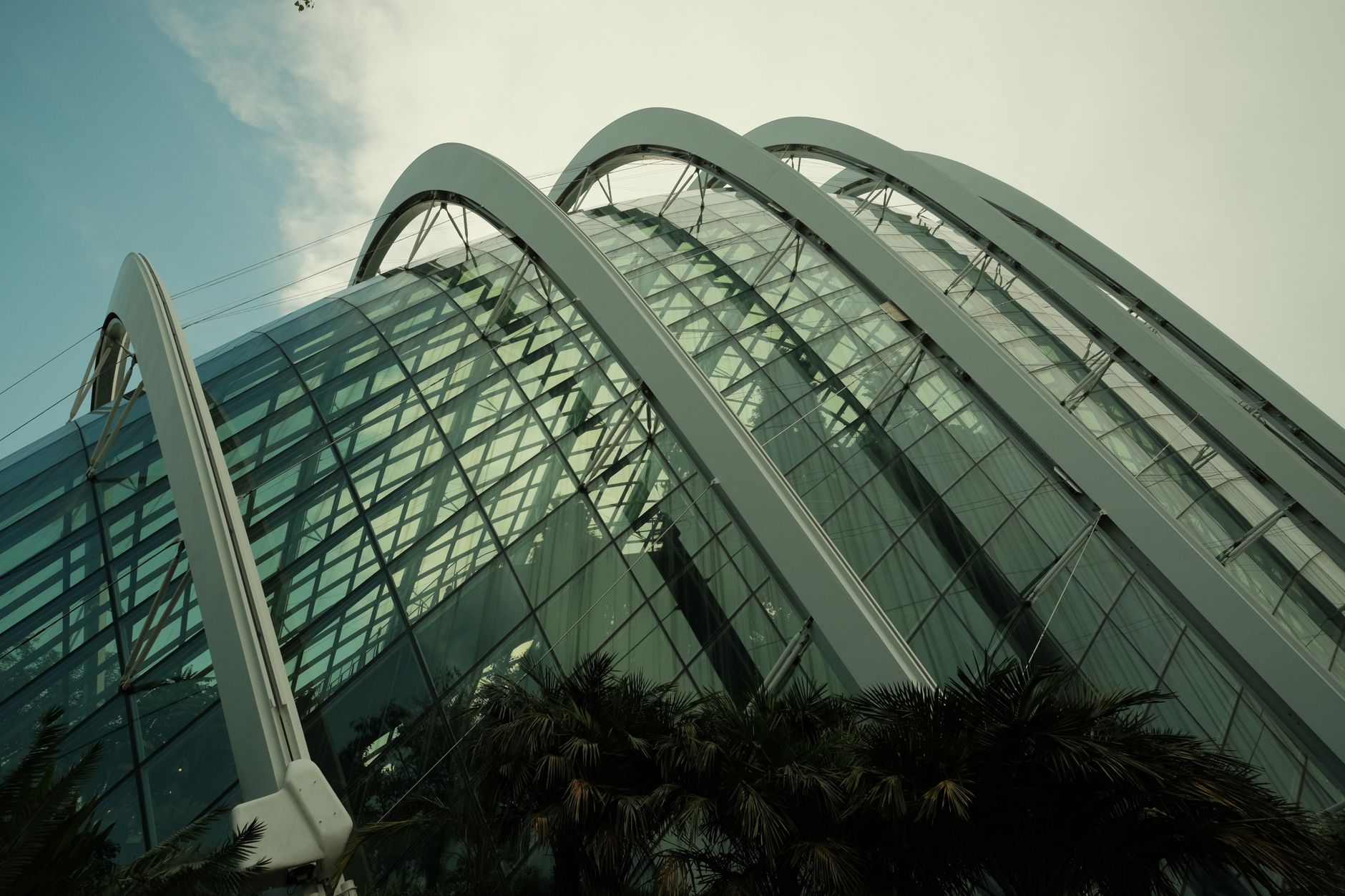
Marina Bay is the postcard: the boat-shaped hotel with the rooftop pool, the domed greenhouses of Gardens by the Bay, the light show over the water. Go once, at dusk, then move on — it's spectacular and crowded and not where the city actually lives.
Chinatown, Kampong Glam and Little India are the three you should give real time. Chinatown mixes temples with old shophouses and food stalls. Kampong Glam, around the golden-domed Sultan Mosque, has the best independent shops and cafés on Haji Lane. Little India is the loudest and most sensory corner of the island — flower garlands, gold shops, the smell of ghee and jasmine.
Tiong Bahru suits anyone who likes low-rise streets, art-deco flats and slow mornings in bakeries. Sentosa is the resort island — beaches, a theme park, cable cars — and it's aimed squarely at families and people who want a manufactured day out. Pulau Ubin, a short bumboat ride off the northeast coast, is the opposite: a scruffy, half-wild island that shows you what Singapore looked like before the towers.
Getting around Singapore is easiest with your own wheels, so it is worth hiring a car for a few days — and you will find somewhere to stay to suit most budgets.
When to visit
Here's the honest part: Singapore has no seasons in the way Cyprus does. It sits almost on the equator, so it's hot and humid every single day of the year, usually around the low thirties, with afternoon downpours that arrive fast and clear just as quickly.

The wetter monsoon months, roughly November to January, bring heavier and more sustained rain. It rarely ruins a trip — the rain is dramatic but brief — though it does push you indoors more. The drier stretch around February to April tends to be marginally more comfortable, but "comfortable" is relative when the humidity never drops. Whenever you come, plan around the heat: heavy sightseeing in the morning, air-conditioned refuge at midday, back out in the evening.
What to eat
This is the real reason to come. Singapore's genius is the hawker centre — open-air food halls where dozens of stalls sell one dish each, perfected over decades. Maxwell, Old Airport Road and Tekka are good places to start.

Order Hainanese chicken rice, laksa (a coconut-and-chilli noodle soup), char kway teow (smoky fried noodles), and chilli crab if you don't mind the mess. Try roti prata with curry for breakfast, and kaya toast — sweet coconut-egg jam on toast, with soft-boiled eggs and thick coffee — for the local ritual version. Durian, the spiky fruit banned from the metro, is worth trying once if you can get past the smell of the flesh.
Don't skip the kopitiam coffee. Ask for "kopi" and you'll get it strong, sweet and condensed-milk rich.
What first-time visitors get wrong
They over-schedule. Singapore looks small on a map, but the heat slows you down and the distances between neighbourhoods eat time.
They also stay glued to Marina Bay and the malls and conclude the place is a shopping centre with a skyline. The city rewards walking through older streets and eating where the queues of locals are.
Finally, take the rules seriously. Fines for eating on the train, jaywalking or littering are real and enforced, and the drug laws are among the strictest anywhere. This is not the country to test boundaries.
