

 Mico Medel / Pexels
Philippines: what to see and when to go
· Cyprus Travel Deals
The Philippines is not one destination but seven thousand of them, scattered across a distance roughly the length of the trip from Cyprus to Norway. You can spend a morning in a Manila traffic jam breathing diesel and hearing three languages at once, and by evening be standing on a sandbar that vanishes at high tide with nobody else in sight. The gap between those two things is the whole point.
What the Philippines is actually like
Forget the single glossy beach photo. The country is loud, warm, devoutly Catholic in most parts and Muslim in the south, and relentlessly friendly in a way that can catch reserved travellers off guard. English is spoken almost everywhere, which makes it one of the easiest tropical countries to move around in without a phrasebook.

The postcard sells you empty turquoise water. The reality includes that, but also crowded ferry terminals, sudden downpours, karaoke drifting from every third house, and roads where a delayed boat can rearrange your whole week. People who arrive expecting Thai-level tourist infrastructure are sometimes surprised. People who arrive expecting an adventure are rarely disappointed.
Where to go in the Philippines
Because it is an archipelago, you choose islands, not a route, and internal travel eats time. Pick two or three areas rather than trying to see everything.
Palawan is the one everyone means when they say the Philippines is beautiful. El Nido and Coron sit among limestone cliffs, hidden lagoons and shipwrecks you can snorkel over. It is genuinely stunning and increasingly busy; go for the island-hopping boat trips and accept that you will share the good spots.
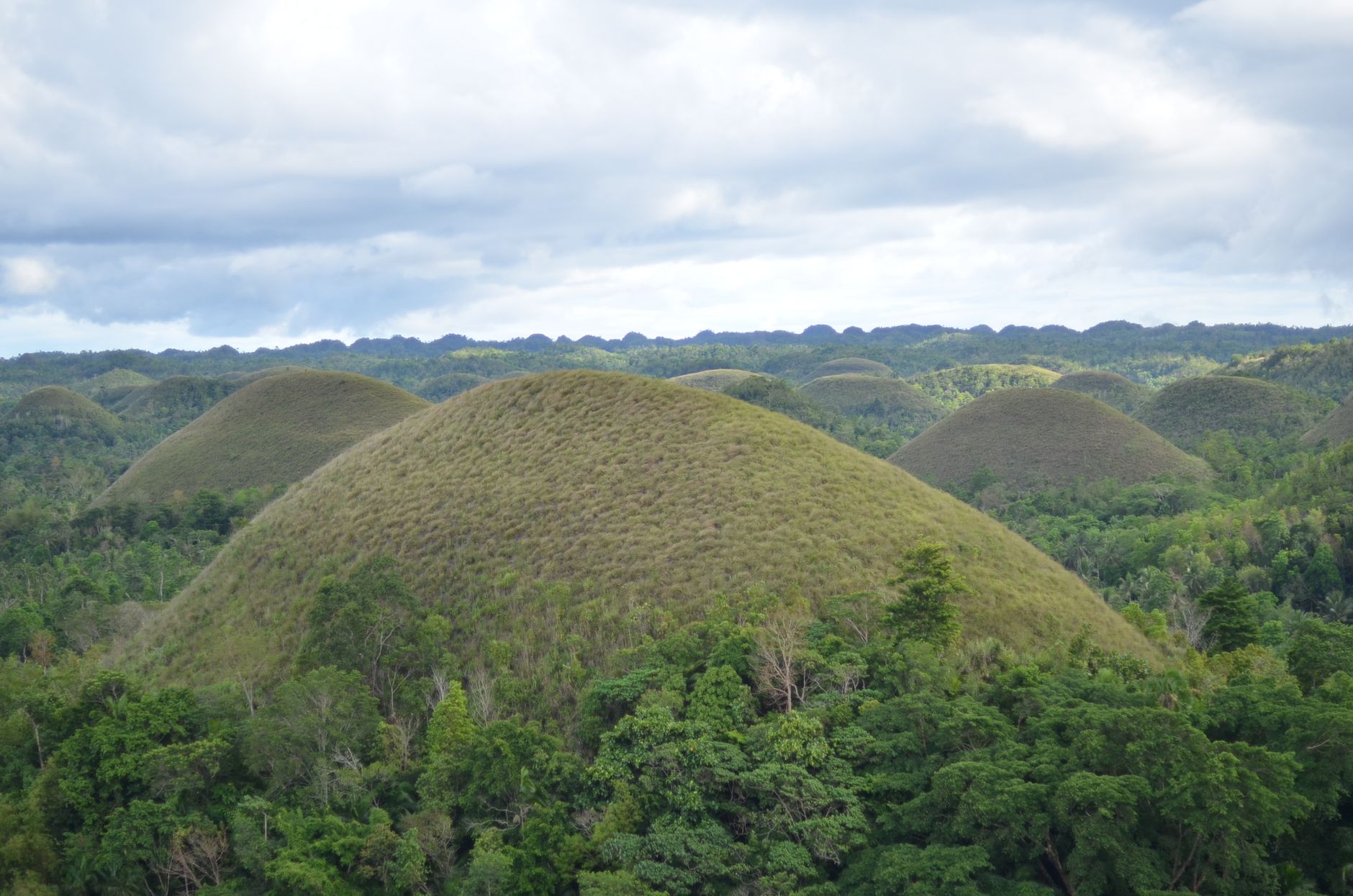
Cebu and Bohol work well together and suit first-timers. Cebu gives you diving, waterfalls in the interior and whale sharks off the south coast (a practice worth reading up on before you decide). Bohol has the Chocolate Hills, tarsiers the size of your palm, and a calmer river-and-beach rhythm.
Siargao is the surf island turned into a wider traveller hub. Even if you never touch a board, the palm-lined roads, tidal pools and slow evenings are the draw. It is remote and can feel that way.
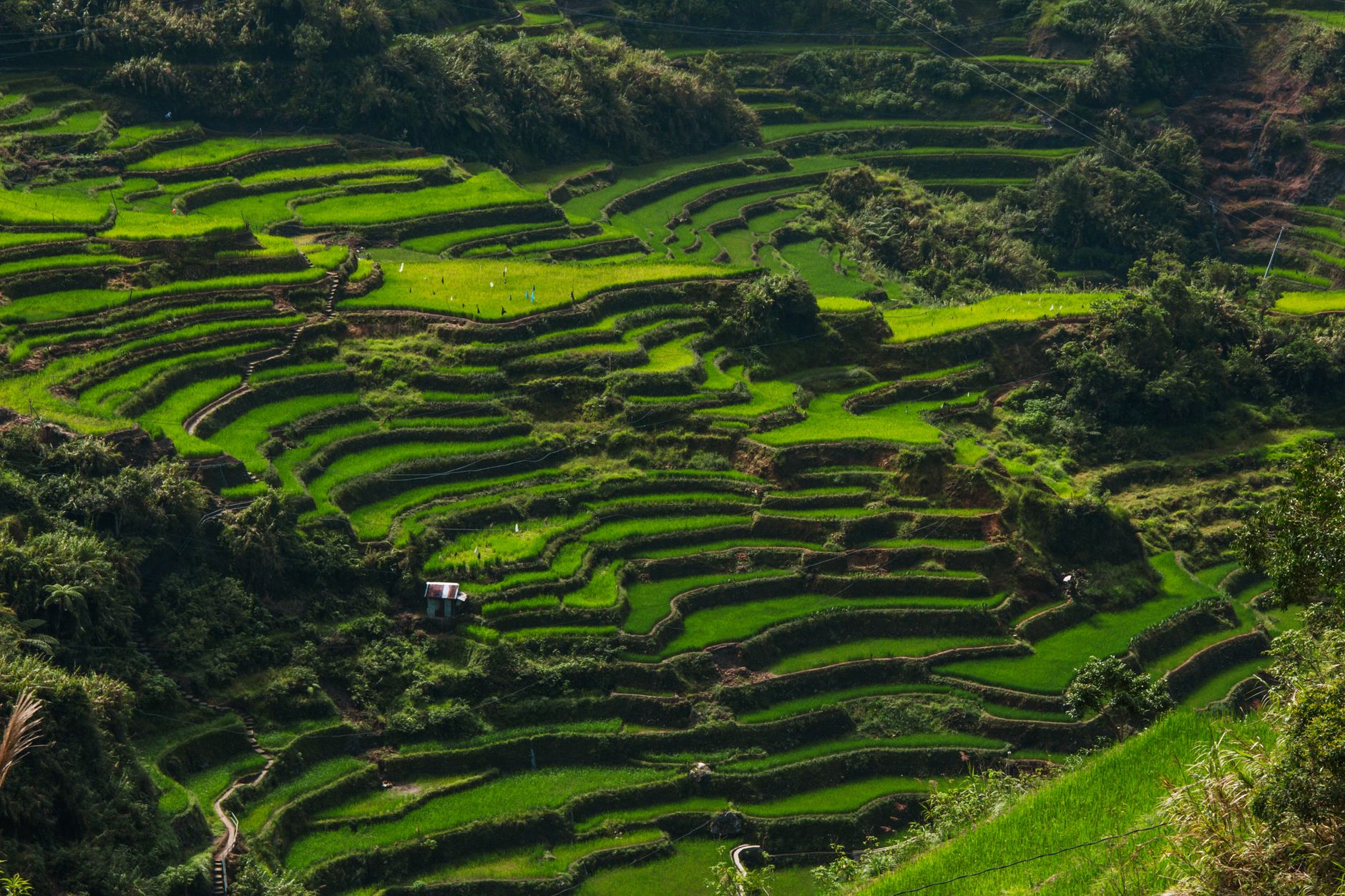
Banaue and the Cordillera mountains on Luzon are the counterweight to the beaches: cool, green, terraced rice fields carved into the hills over centuries, and hiking between villages. Bring warm clothes, which sounds absurd until the mountain night proves you right.
Manila is where most trips begin and few linger. Give it a day for Intramuros, the old walled Spanish core, and the food, then move on without guilt.
Getting around Philippines is easiest with your own wheels, so it is worth hiring a car for a few days — and you will find somewhere to stay to suit most budgets.
When to visit
The dry season, roughly December to May, is the reliable window. December through February is the most comfortable, with lower humidity and warm rather than punishing heat. This is also the busiest stretch, especially around the Christmas and New Year period when Filipinos travel domestically and beaches fill.
March to May is the hottest and driest, good for beaches if you tolerate strong sun. From around June to November is the wet season, overlapping with typhoons that can stall boats and close routes for days at a time. It is not a write-off, the landscape is greenest and prices soften, but build in slack and watch forecasts. As a rule of thumb, if you want guaranteed island-hopping weather, aim for the dry months.
What first-time visitors get wrong
The biggest mistake is underestimating distance. Two islands that look close on a map can mean a flight, a van and a ferry. Plan fewer places and more nights in each.

The second is treating ferries and boats as fixed timetables. Weather and mechanical delays are normal. Never book a connection with no buffer before an onward journey.
The third is cash. Outside cities and resorts, cards are often useless and ATMs are scarce or empty on small islands. Carry more cash than feels sensible, in smaller notes.
Also worth knowing: tap water is generally not safe to drink, mosquito precautions matter, and modesty in churches and rural areas is appreciated. And the sun here is stronger than it looks through a sea breeze.
What to eat
Filipino food is less famous than its neighbours' and often misunderstood. It leans savoury, sour and rich rather than chilli-hot.
Start with adobo, meat braised in vinegar, soy and garlic, which every family cooks differently. Try sinigang, a sour tamarind soup that is more comforting than it sounds, and lechon, whole roast pig with crackling that Filipinos rightly consider a highlight of any celebration.
Along the coast, order grilled fish and seafood straight off the boat, often cooked simply and eaten with rice and a calamansi-and-soy dipping sauce. For dessert, halo-halo is the national sweet: shaved ice, beans, fruit, jelly and ube (purple yam) in a glass, chaotic and cooling. And fresh mango here sets a standard the rest of the world struggles to match.
