

 Ramon Karolan / Pexels
Morocco: what to see and when to go
· Cyprus Travel Deals
The first thing that hits you in Marrakech is not a sight but a sound: the call to prayer bouncing off pink walls at dusk, tangled up with motorbike engines and the hiss of frying dough. Morocco runs on this kind of overlap — Berber, Arab, French, African all pressing against each other in the same street. It sits closer to home than most people assume, just across from Spain, and it feels nothing like anywhere else you can reach in a few hours.
What Morocco is actually like
The postcard sells you camels and blue doors. Both exist. But the country is far bigger and more varied than the Instagram version, running from Atlantic surf beaches to the High Atlas snowline to genuine Sahara dunes, all within a day or two of driving.
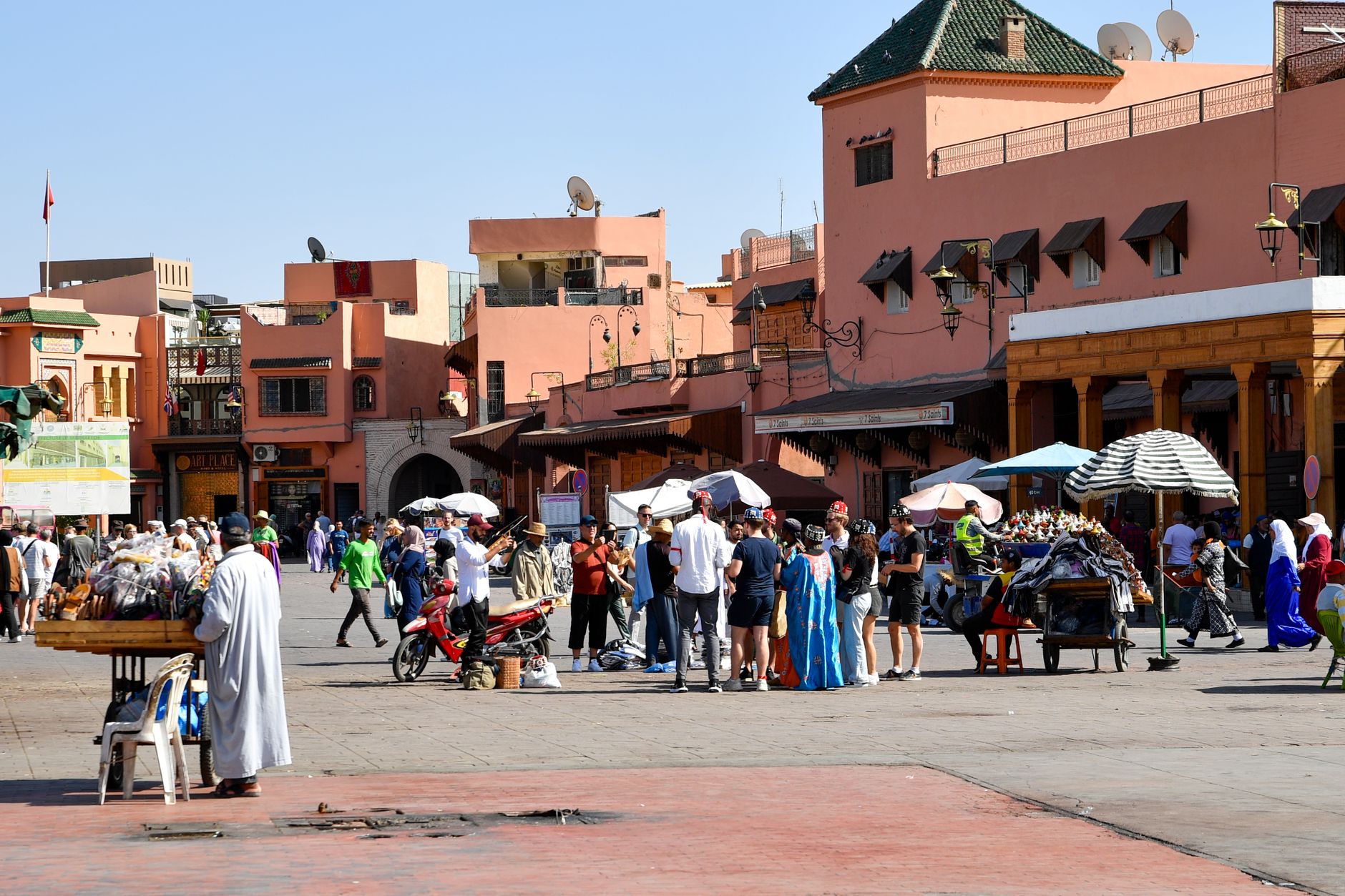
It is also more demanding than a beach holiday. Cities like Fes and Marrakech are loud, hot, and built to disorientate — the old medinas are deliberate mazes, and you will get lost. Vendors are persistent, and the line between hospitality and a sales pitch can blur. None of this is a problem once you expect it. The travellers who struggle are the ones who arrive wanting things to be smooth and passive. Morocco rewards curiosity and a bit of patience.
Where to go in Morocco
Marrakech is the obvious entry point and worth a couple of days, no more if crowds tire you. The Jemaa el-Fnaa square, the souks, the courtyard riads with their cool tiled fountains — it is intense and theatrical and slightly exhausting. Base yourself in a riad inside the medina rather than a hotel outside it; the whole point is stepping straight into the noise.
Fes is the older, more serious city, with a medieval medina that feels less staged than Marrakech and a tannery that assaults the nose before you see it. This is the place for people who want depth over polish.
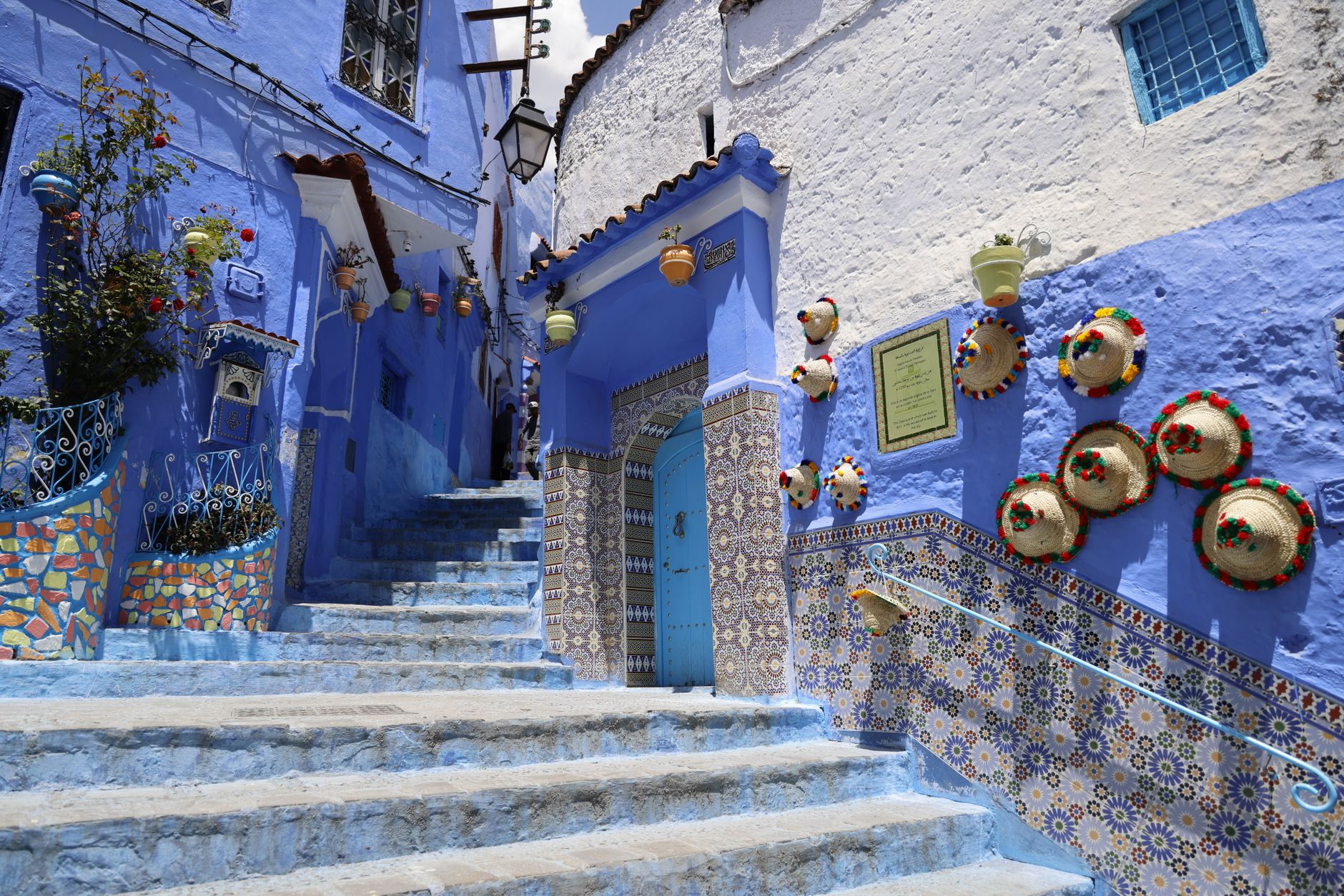
Chefchaouen, the blue-washed town in the Rif mountains, is smaller and calmer, a good decompression stop. It is also very photographed, so mornings before the day-trippers arrive are the reward.
Essaouira on the Atlantic coast is the antidote to the inland heat — windy, walled, full of gulls and grilled fish, popular with surfers and anyone who finds Marrakech too much. The breeze is constant, which is lovely in summer and cold out of season.
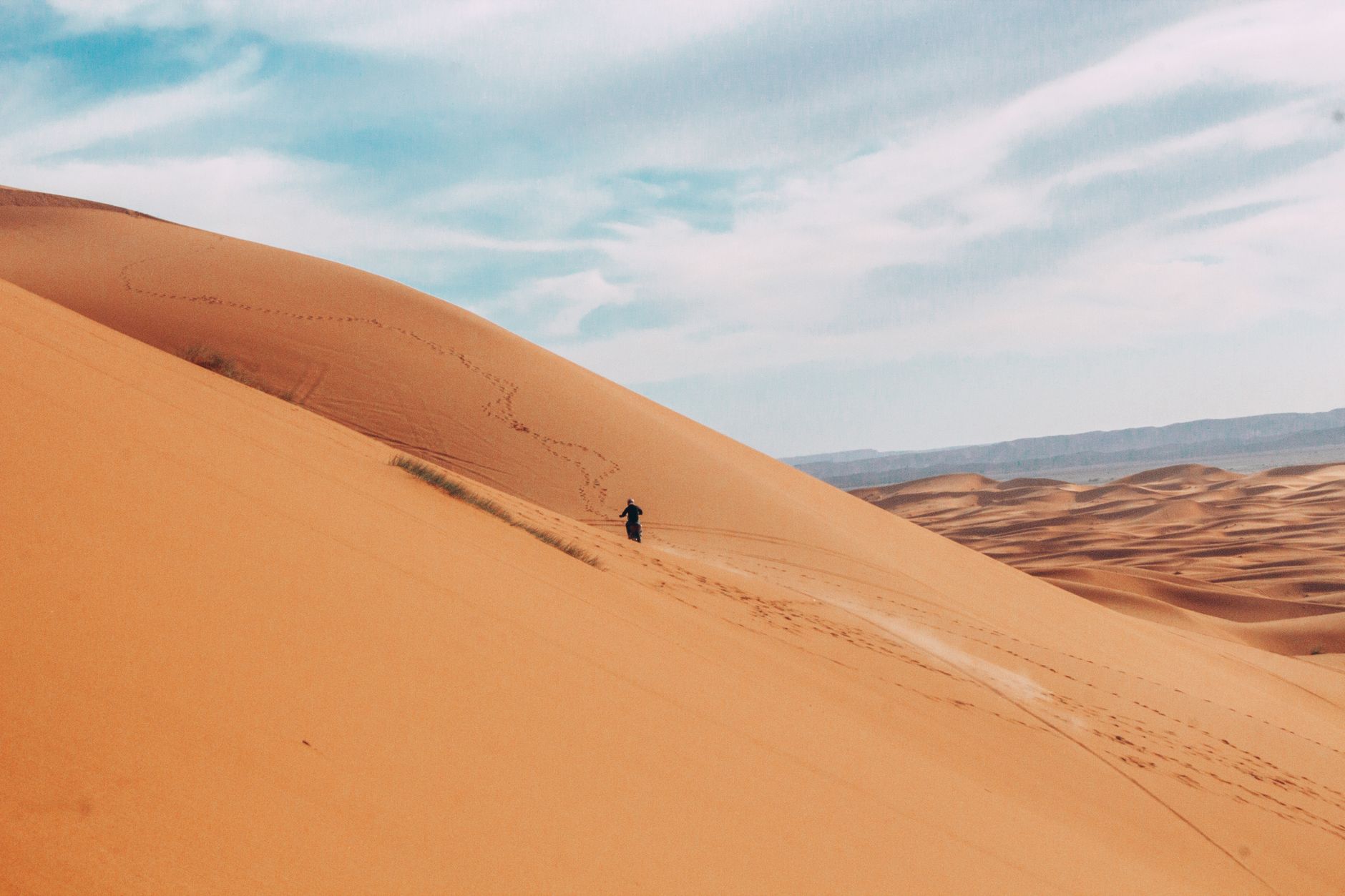
The Sahara, reached via Merzouga or the Zagora route, is a long haul from the cities but the genuine article: dunes, silence, a night under more stars than you thought existed. Don't try to do it as a rushed overnight from Marrakech; the driving distances are real.
The High Atlas offers proper hiking, Berber villages, and Toubkal for those who want a summit. Spring and autumn are best up there.
Getting around Morocco is easiest with your own wheels, so it is worth hiring a car for a few days — and you will find somewhere to stay to suit most budgets.
When to visit
Spring (roughly March to May) and autumn (September to October) are the sweet spots — warm days, bearable cities, desert nights that aren't freezing. This will feel familiar to anyone used to Cyprus shoulder seasons, and for similar reasons.
Summer inland is brutal. Marrakech and Fes can push well past anything comfortable for walking around, and the medinas trap the heat. If you come in July or August, stick to the coast, where Essaouira and the Atlantic beaches stay cooler.
Winter is mild on the coast and in the cities during the day but genuinely cold at night, and the Atlas gets snow. The desert at night in winter is far colder than people expect.
What first-time visitors get wrong
They underestimate distances. Morocco is large, and the scenic routes over the mountains are slow. Trying to cram Marrakech, Fes, the desert and the coast into a week means spending most of it in a vehicle.

They also haggle badly — either refusing to engage, or grinding a seller down over a trivial sum. Treat it as a normal, good-humoured exchange rather than a battle.
Dress is worth thinking about too. Morocco is fairly relaxed in tourist areas, but modest clothing away from the beach earns easier interactions, especially for women in smaller towns.
What to eat
Tagine is everywhere and varies wildly in quality — the good version, slow-cooked lamb with prunes or chicken with preserved lemon and olives, is worth seeking out over the tourist-menu version. Couscous is traditionally a Friday dish and best eaten then.
Get past the restaurants and into street food: harira soup, msemen (flaky griddle bread), grilled sardines on the coast, and bowls of olives at every turn. Mint tea, poured from height, is the social currency of the whole country — accept it, and slow down long enough to drink it.