

 Mihai Gutsan / Pexels
Moldova: what to see and when to go
· Cyprus Travel Deals
Moldova is a country where the roads run underground. Beneath the village of Mileștii Mici, tunnels once quarried for limestone now hold bottles stacked to the ceiling along tens of kilometres of passages, cool and dim, with street signs and a car to drive you through. Above ground it is a landscape of vineyards, sunflower fields and orthodox monasteries, and it sees fewer visitors than almost anywhere else on the continent. That emptiness is the appeal.
What Moldova is actually like
Forget any postcard, because there barely is one. Moldova doesn't trade on famous skylines or a signature beach. It is a small, landlocked, deeply agricultural country wedged between Romania and Ukraine, and it feels that way: rolling farmland, walnut trees lining the roads, horse carts still working the fields in places, and a capital that mixes Soviet concrete with leafy boulevards and a young, quietly ambitious energy.

The language is Romanian, though Russian is widely spoken and you'll hear both in the same conversation. People are curious about foreigners precisely because there are so few. Service can be brisk rather than polished, English is patchy outside Chișinău, and infrastructure is a work in progress. What you get in return is a place that hasn't been sanded smooth for tourism, and prices that make a long lunch feel almost weightless.
Where to go in Moldova
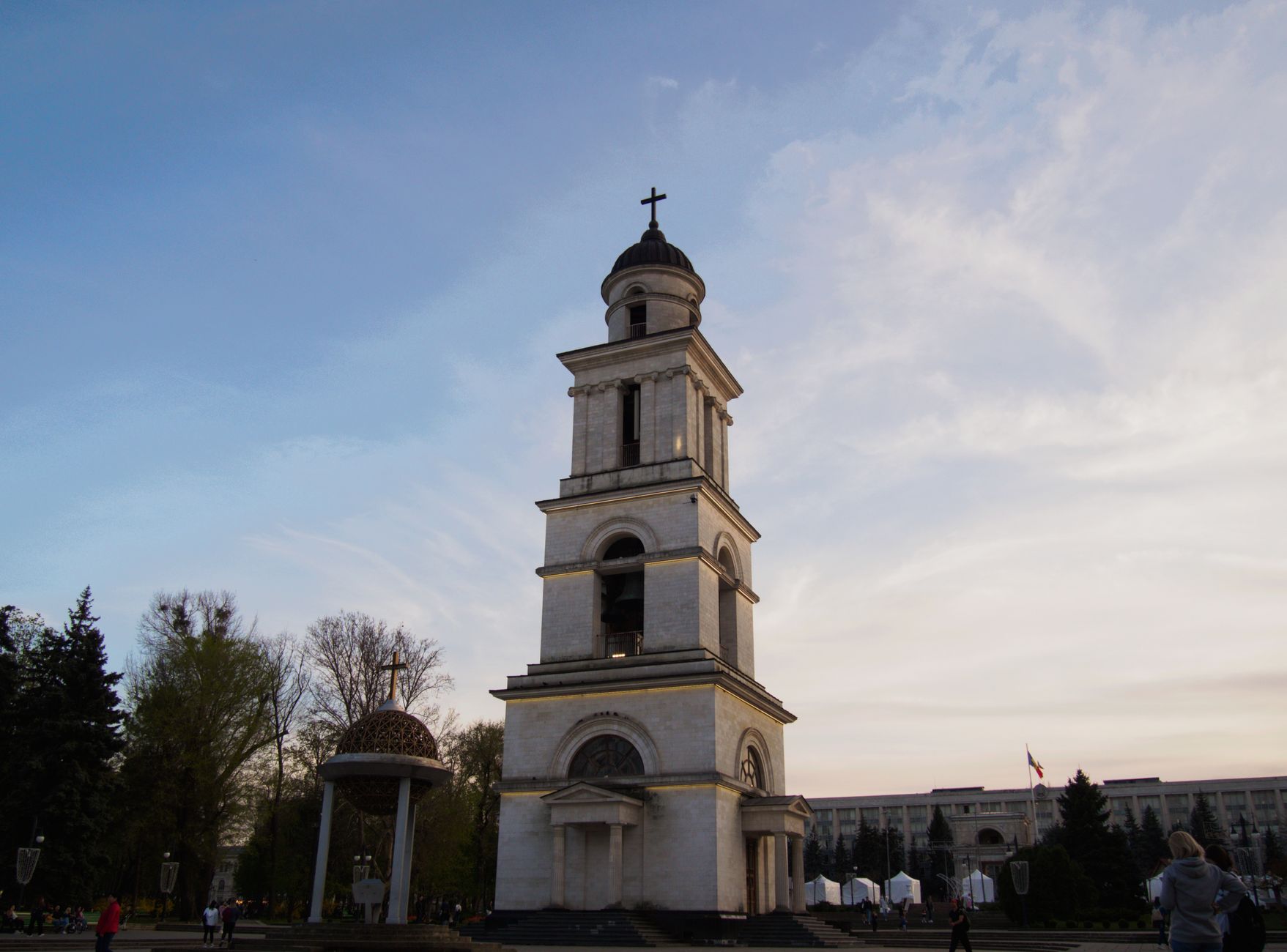
Chișinău is where you'll start. It is green, low-rise and walkable, built around parks, wide streets and cafés that fill up in the evening. Give it a day or two: the cathedral and its park, the central market, and a slow drift through neighbourhoods where Belle Époque villas sit beside brutalist blocks. It rewards wandering more than checklist sightseeing.

Orheiul Vechi is the image most people carry away. An hour or so north of the capital, a cave monastery is dug into a limestone cliff above a loop in the Răut river, with a small church on the ridge and villages scattered below. Go for the setting as much as the monastery itself, and time it for late afternoon light.
The wine country is the real reason to come. Cricova and Mileștii Mici are the two great underground cellars, vast enough to drive through; Purcari, further south toward the Ukrainian border, is a more classic estate with a manor-house feel. You don't need to be a wine expert to enjoy them, and the tastings are generous.
Gagauzia, an autonomous region in the south with a Turkic-speaking Christian population, and Transnistria, the Russian-backed breakaway strip east of the Dniester, are for the genuinely curious. Transnistria in particular feels like a Soviet time capsule, with statues, hammer-and-sickle flags and its own currency. It is generally calm to visit but it operates on its own rules, so go informed and don't treat it as a novelty.
Getting around Moldova is easiest with your own wheels, so it is worth hiring a car for a few days — and you will find somewhere to stay to suit most budgets.
When to visit
Late spring and early autumn are the sweet spots. September and October are best of all: warm days, the grape harvest in full swing, cellars busy and celebratory, and the countryside turning gold. May and June bring green fields, blossom and long light without the heat.
Summer gets genuinely hot and dusty on the plains, closer to what Cyprus readers already know than you might expect, though without the sea to cool off in. Winter is cold, grey and often below freezing, and rural travel becomes harder; the cellars stay a steady cool year-round, but the landscape shuts down. Skip deep winter unless you have a specific reason.
What first-time visitors get wrong
The biggest mistake is trying to see Moldova from Chișinău alone. The capital is pleasant but the country's character lives in the vineyards and villages, and distances are short, so build in day trips.

The second is underestimating transport. Public buses and marshrutkas exist but run on local logic and little English signage. For the cellars and Orheiul Vechi, a driver or a small group tour saves a lot of friction, and many wineries expect you to arrange visits ahead rather than turning up.
Don't rush Transnistria on a whim, and don't photograph anything official-looking there. And carry cash: cards work in Chișinău but thin out fast in the countryside.
What to eat
Moldovan cooking is hearty, rustic and built for sharing. Look for mămăligă, a firm cornmeal polenta served with brânză (salty sheep's cheese) and smântână (sour cream), often alongside a fried egg or fish. Plăcinte are flaky filled pastries sold everywhere, stuffed with cheese, potato, cabbage or sweet pumpkin. Zeamă, a sour chicken-and-noodle soup, and sarmale, stuffed cabbage or vine leaves, anchor most tables.
Then there's the wine. Try the indigenous grapes you won't find at home: white Fetească Albă, aromatic Fetească Regală, and the red Rară Neagră and Fetească Neagră. For something local and strong, ask about rachiu, the fruit spirit that appears at the end of a good meal whether you asked for it or not.