

 Boris Hamer / Pexels
Malta: what to see and when to go
· Cyprus Travel Deals
Malta is smaller than you expect and older than almost anywhere you've been. The temple complexes at Ġgantija and Ħaġar Qim were raised before the pyramids at Giza, and you can walk right up to the weathered limestone. Then you turn a corner in Valletta and hit a British red phone box, a café selling pastizzi, and a bus stop announcement in a language that sounds like Arabic wearing an Italian coat. For a Cypriot it feels like a parallel island: left-hand driving, an English-speaking population, church bells and honey-coloured stone, but compressed into a space you can cross in under an hour.
What Malta is actually like
The postcard sells you the Blue Lagoon on Comino — turquoise water, white boat, empty frame. The reality is that Malta is dense, built-up and busy, one of the most crowded countries in Europe, and the Blue Lagoon in July is a floating traffic jam of pleasure boats. That is not a reason to skip it, just a reason to adjust your picture.

What you get instead is texture. Every town has a disproportionately large baroque church, fireworks factories that supply the summer festa season, and streets of flat-roofed houses with brightly painted timber balconies. The whole country is built from the same soft globigerina limestone, so towns glow gold at sunset and turn grey under rain. It is Catholic to its bones, more so than Cyprus, and the village festa — a saint's day with band clubs, street decorations and late-night fireworks — is the real cultural engine, not the beaches.
Where to go in Malta
Valletta is the fortified capital, a grid of steep streets on a peninsula, packed with palaces and the extraordinary St John's Co-Cathedral, where a Caravaggio hangs in the oratory. It suits people who like walking, history and eating well. It is small; you can see the shape of it in a day, but it rewards two.
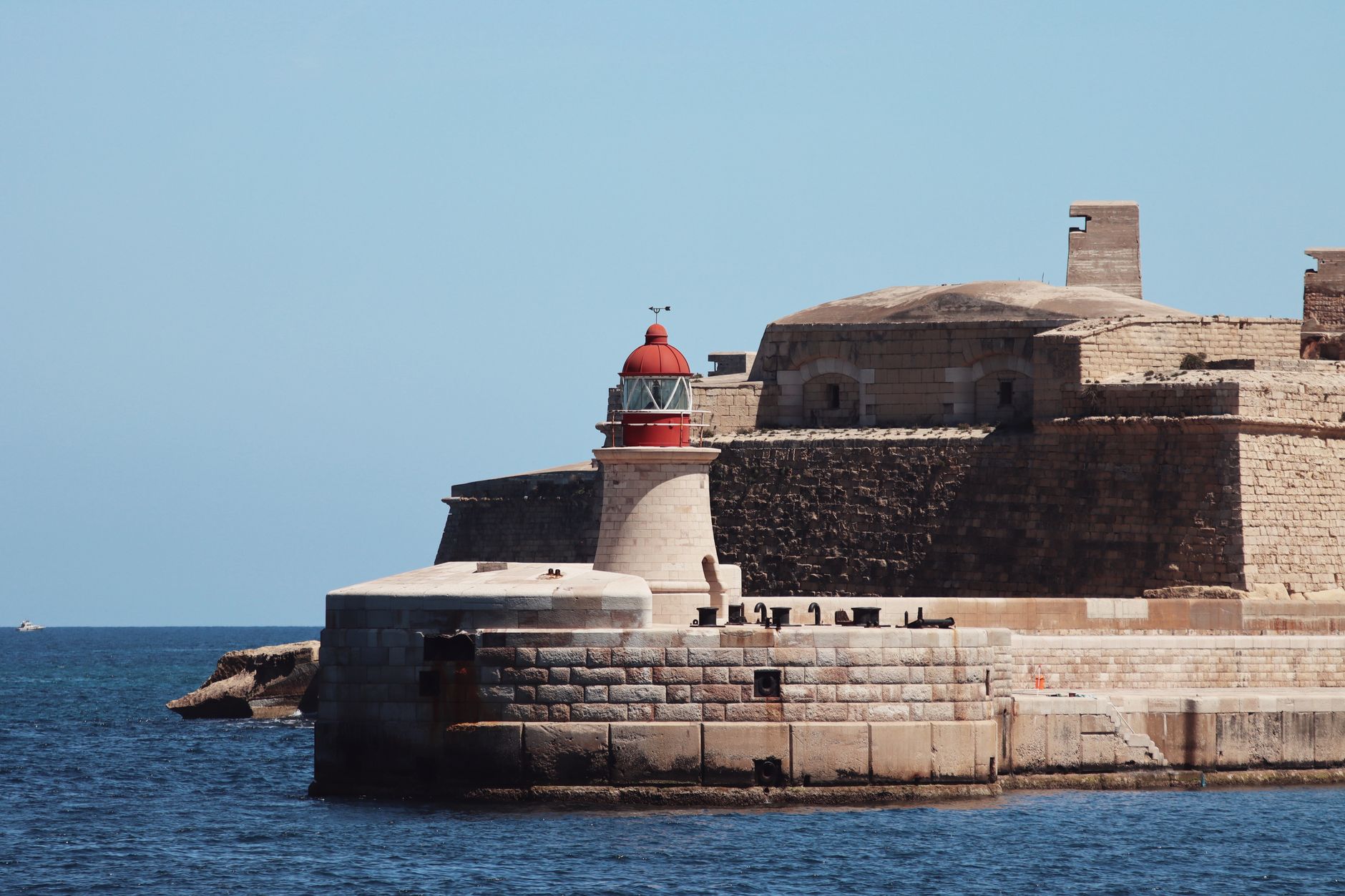
The Three Cities — Vittoriosa, Senglea and Cospicua — sit across the Grand Harbour and give you the maritime, lived-in Malta with fewer tour groups. Take the traditional dgħajsa boat across.
Mdina and Rabat in the centre are the old walled capital, quiet after dark, good for anyone who wants atmosphere without crowds. Mdina is genuinely hushed once the day-trippers leave.
Sliema and St Julian's are the modern seafront strip: hotels, shopping, and Paceville, the nightlife zone that gets loud and young. Convenient base, low on charm.
Gozo is the sister island, greener, slower, more rural, reached by a short ferry. If Malta feels too intense, Gozo is the antidote — terraced fields, the inland sea at Dwejra, and quiet after sundown. Comino, the third island, is essentially the Blue Lagoon and a few walking trails.
Getting around Malta is easiest with your own wheels, so it is worth hiring a car for a few days — and you will find somewhere to stay to suit most budgets.
When to visit
Spring, roughly March to May, is the sweet spot: the island is green, the temperatures are mild, and the sea is warming without the summer press of bodies. Autumn, September into October, gives you warm sea and thinning crowds.
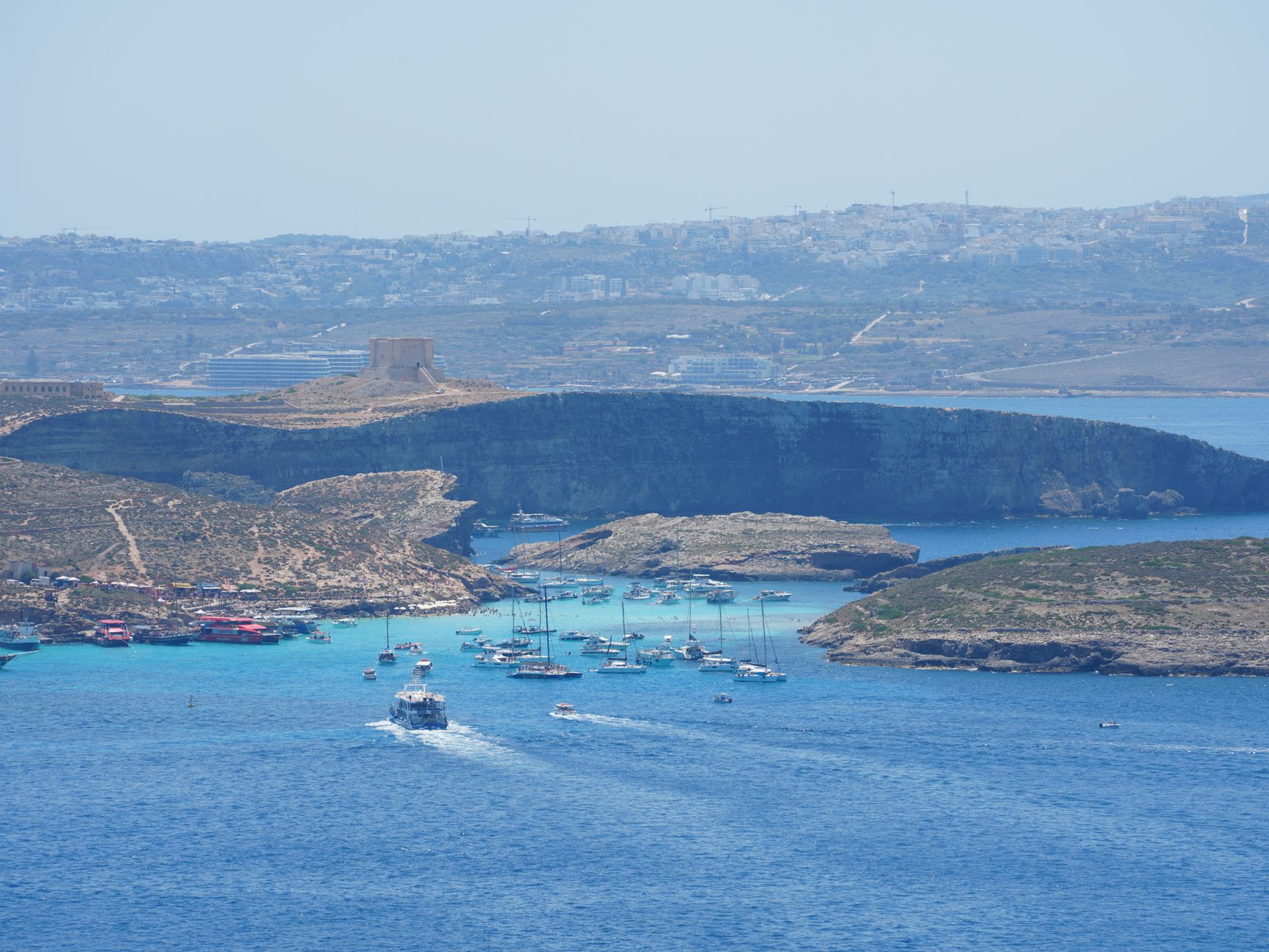
July and August are hot, dry and full. Accommodation fills, the popular swimming spots are shoulder to shoulder, and the heat off all that stone is real. The upside is the festa season and long swimming days. Winter is mild and quiet, occasionally wet and windy, with rough seas that can cancel the Gozo and Comino boats — fine for history and food, less so for the water.
What first-time visitors get wrong
They underestimate how little sand there is. Malta's coast is mostly rock and cliff; the famous sandy beaches like Golden Bay and Mellieħa are few and get crowded. Bring shoes you can swim in and treat rocky coves as the norm, not the compromise.

They also try to drive everywhere. The roads are narrow, parking is a fight, and the driving is assertive. For a short trip the buses cover most of the island, if slowly. And people wildly overestimate the Blue Grotto and Blue Lagoon while skipping the megalithic temples, which are the thing Malta genuinely has that nowhere else does.
What to eat
Start with the pastizz, a diamond of flaky pastry filled with either ricotta or mushy peas, eaten hot from a hole-in-the-wall for pocket change. Fenek — rabbit, stewed slowly in wine and garlic or fried — is the national dish and worth seeking out at a proper village restaurant, not a tourist menu. Ftira is the local sourdough-ish bread, often stuffed with tuna, capers, olives and tomato into a rugged sandwich.
Look for lampuki (dorado) in autumn, often baked in a pie. Wash it down with Kinnie, the bitter-orange soft drink Maltese people are loyal to, or the local Cisk lager. Gozo does good sheep's cheese, the ġbejniet, sold fresh or peppered and dried.