

 Michael / Pexels
Italy: what to see and when to go
· Cyprus Travel Deals
The espresso in Naples comes in a thick-walled cup barely bigger than a shot glass, downed standing at the bar in under a minute, and it costs almost nothing. That single ritual tells you more about Italy than any monument: this is a country that treats ordinary daily things — coffee, bread, a walk before dinner — with a seriousness most places reserve for special occasions.
What Italy is really like
The postcard sells you rolling Tuscan hills and gondolas, and both exist. But Italy is less a single country than a stitched-together collection of regions that spent centuries as rival states, and it still feels that way. The pasta shape, the dialect, the church architecture, even the coffee changes as you move a hundred kilometres. A Sicilian and a Milanese will tell you, with some pride, that they have almost nothing in common.

This is also a working country, not a theme park. Rome is loud, layered and a little chaotic, with graffiti next to ruins and traffic that ignores lane markings. The north runs on industry and quiet efficiency. The south is slower, poorer in places, and warmer in every sense. Expect beauty and dysfunction in the same afternoon, and you will not be disappointed.
Where to go in Italy
Rome rewards a first visit and punishes a rushed one. The Colosseum and Vatican are genuinely worth it, but the city's real pleasure is aimless wandering through Trastevere and the old Jewish quarter at dusk. Give it at least three days.

Florence and Tuscany suit people who want art and landscape in one trip. Florence is compact enough to cross on foot, but it fills up hard and the queues for the Uffizi and Accademia are real. The surrounding countryside — Siena, the wine villages, the cypress roads — is where you slow down.
Venice is smaller and stranger than photos suggest. Yes, it is crowded and can feel like a stage set. But walk fifteen minutes from San Marco into Cannaregio and you find quiet canals, local bars and a city that still functions. Stay overnight; the day-trippers leave and it transforms.
Naples and the south are for travellers who want intensity and the best food in the country. Naples is gritty, chaotic and utterly alive. From there you reach Pompeii, the Amalfi Coast and the ferries to Capri.
Sicily feels closest to home for a Cypriot traveller — the light, the sea, the Greek ruins at Agrigento and Syracuse, the Arab-Norman layers in Palermo. It deserves its own trip, not a tacked-on weekend.
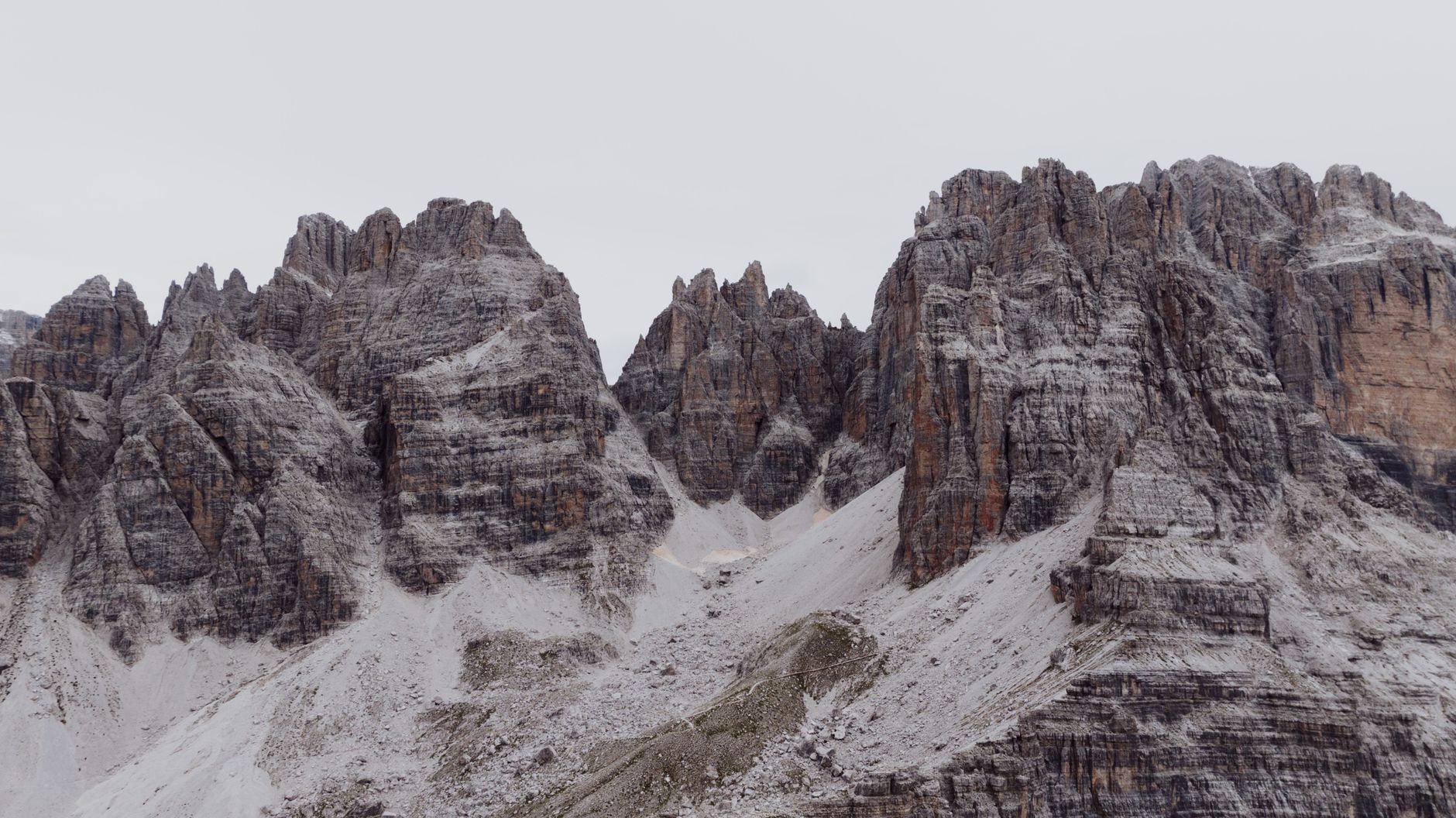
The Dolomites in the north surprise people who think of Italy only as beaches and cities. Dramatic mountains, alpine villages and a Germanic influence in the food and language.
Getting around Italy is easiest with your own wheels, so it is worth hiring a car for a few days — and you will find somewhere to stay to suit most budgets.
When to visit
May, June, September and early October are the sweet spot: warm, long days without the punishing heat and crush of high summer. July and August are hot, expensive and packed, and many city restaurants in August close while owners take their own holidays. The heat in Rome and the south in midsummer is not gentle.

Spring brings green hills and wildflowers in Tuscany. Autumn brings the grape and olive harvest, truffles in the north, and cooler evenings. Winter is underrated for cities — Rome and Florence without the crowds, museums you can actually move through — though shorter days and some coastal closures are the trade-off.
What first-time visitors get wrong
They try to see too much. Rome, Florence and Venice in five days sounds efficient and feels like a forced march. Pick two regions and let them breathe.
They eat where the menu has photographs and a man outside inviting you in — reliably the worst food you will have. Walk a few streets back from the main square.
They order a cappuccino after lunch, which marks you instantly; milky coffee is a morning thing here. They sit down for a coffee without realising table service often costs more than standing at the bar. And they underestimate how much Italy still shuts down in the early afternoon, especially in the south.
What to eat
Eat regionally and you will eat better. In Naples, pizza with a soft, blistered crust and little else on top. In Rome, cacio e pepe, carbonara and crisp fried artichokes. In Bologna, tagliatelle with a slow-cooked ragù — never spaghetti bolognese, which is not really an Italian dish. In Sicily, arancini, swordfish and cannoli filled to order.
Order the house wine by the carafe; it is usually local and honest. Finish with an espresso, standing, the way the man in Naples did. Then go for a walk before dinner, because that is the point of the whole thing.

