

 Akaaljotsingh Anandpuria / Pexels
India: what to see and when to go
· Cyprus Travel Deals
The first thing India does is overwhelm the senses all at once: marigold garlands, diesel fumes, temple bells, the smell of frying onions, a cow ambling through traffic that somehow bends around it. It is not a country you visit so much as one you negotiate with. Nobody leaves feeling neutral.
What India is actually like
Forget the single image, whether it's the Taj Mahal at dawn or a beach in Goa. India is roughly the size of the European Union with more people than the EU and China combined, and it changes completely every few hundred kilometres. The language shifts, the script on the shop signs shifts, the food shifts, the gods on the temple walls shift. A Punjabi wheat-farming village and a Kerala backwater have less in common than Cyprus and Finland.

The postcard sells serenity. The reality is intensity, and it comes at you whether you're ready or not. Cities are loud, crowded and layered with contradiction: a glass tech tower beside a slum, a Rolls-Royce beside a bullock cart. Once you stop fighting the chaos and start reading it, the country opens up. Indians are, on the whole, warm, curious and generous with strangers, sometimes to a degree that catches Western visitors off guard.
Where to go in India
The Golden Triangle (Delhi, Agra, Jaipur) is the classic first trip, and it earns its reputation despite being touristy. Delhi rewards patience: Old Delhi's Chandni Chowk, the Mughal tombs, the wide colonial avenues of the newer city. Agra is essentially one monument, and yes, the Taj Mahal is worth the crowds. Jaipur, the pink-walled Rajasthani capital, is where the palaces and forts start to feel like a different century.
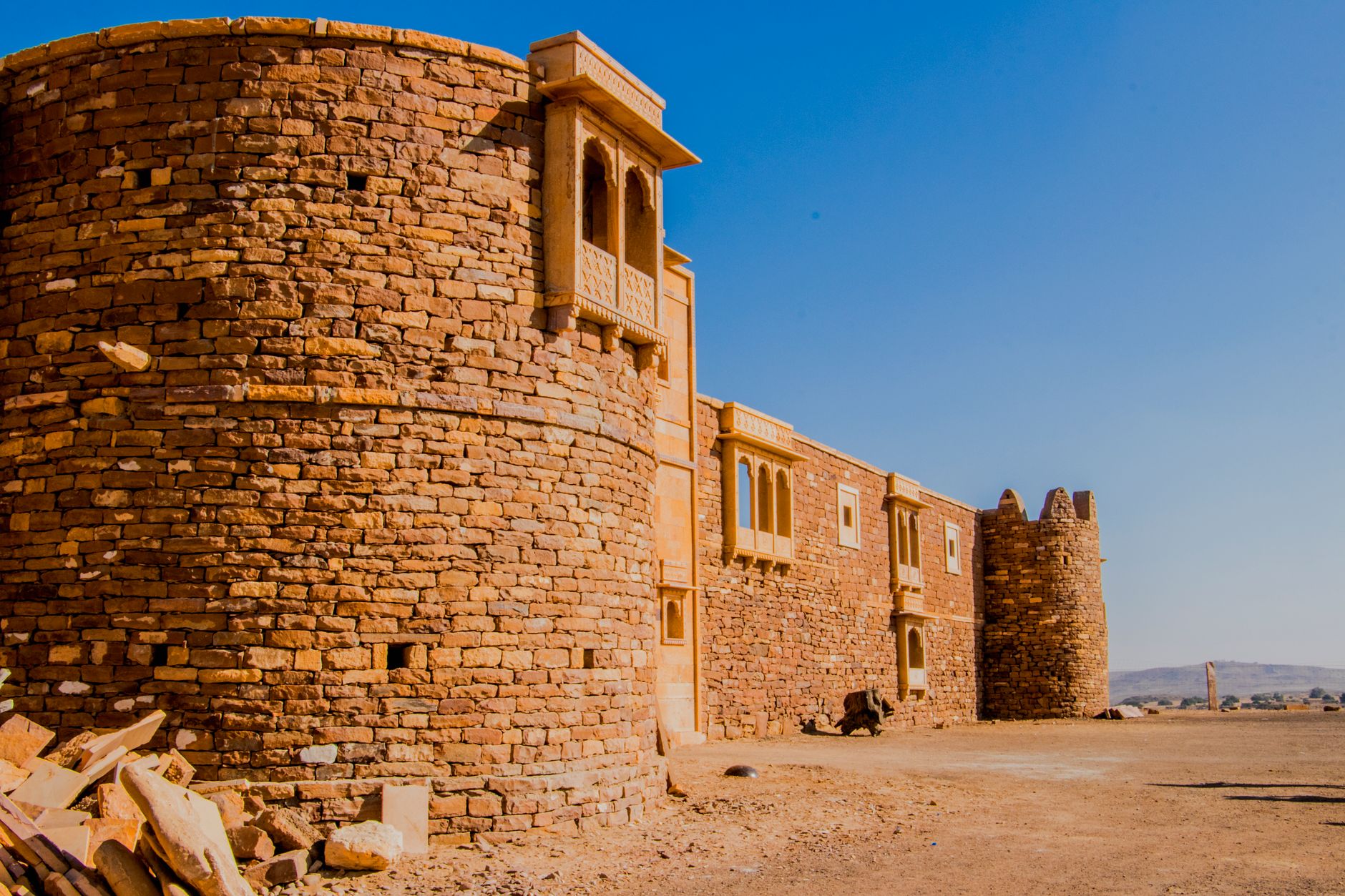
Rajasthan more broadly suits anyone drawn to deserts, forts and colour. Udaipur sits around a lake with white palaces; Jaisalmer rises like a sandcastle out of the Thar Desert; Jodhpur is a sea of blue houses under a colossal fort.
Kerala, down south, is the antidote to the north's dust and noise: coconut palms, backwater canals you drift through on a converted rice barge, tea plantations in the hills, and a cuisine built on coconut and seafood. It suits travellers who want to slow down.
Goa is beaches and Portuguese-Catholic churches, more relaxed and Westernised, good for a soft landing or a decompression stop.
Varanasi on the Ganges is the most intense place many travellers will ever stand. Pilgrims bathe, bodies burn on the ghats, and the whole cycle of life and death plays out in the open. It is not comfortable and it is not meant to be.
The Himalayan north (Himachal, Ladakh, the hill stations) is cool, quiet and Buddhist in feel, for people who've had enough of the plains.
Getting around India is easiest with your own wheels, so it is worth hiring a car for a few days — and you will find somewhere to stay to suit most budgets.
When to visit
The broad rule: October to March is the comfortable window for most of the country. Winter in the north and Rajasthan is warm days and genuinely cold nights, which surprises people who packed only for heat.

April and May are brutal across the plains, with temperatures that make sightseeing punishing, though this is exactly when the Himalayan regions become accessible and pleasant.
The monsoon arrives around June and runs into September. It's dramatic and green, and Kerala in particular has a lush, moody appeal then, but flooding and washed-out roads are real risks and much of the north becomes a sauna.
What first-time visitors get wrong
They try to see too much. India's distances are long and travel is slow; three cities done well beats seven done in a blur. Pick one region and go deep.

They panic about the food and eat nothing but bland hotel curries, missing the whole point. The genuine risk is water and raw produce, not spice. Drink sealed bottled or filtered water, avoid ice of unknown origin, eat food that's hot and freshly cooked, and be a little cautious with salads and pre-cut fruit.
They underestimate the paperwork. India requires a visa arranged in advance, so sort it before you plan anything else.
They also arrive expecting Western punctuality and personal space, and burn out fighting both. Haggling is normal, staring is not hostile, and "yes" sometimes means "I heard you." Patience is the single most useful thing you can pack.
What to eat
North Indian food, the tandoori grills, rich butter-based curries and stacks of naan, is what most people already know. The revelation is the south: dosas (crisp fermented rice crêpes), idli, coconut curries and fiery fish, usually served on a banana leaf and eaten with the right hand.
Street food is where the country's flavours peak, at some risk. Chaat, samosas, kati rolls and freshly fried snacks reward the brave who choose busy stalls with high turnover. Wash it down with masala chai, sweet and spiced and sold everywhere, or a salty-sweet lassi. Skip the tap water and the ice, and eat with confidence.
