

 Pixabay / Pexels
Greece: what to see and when to go
· Cyprus Travel Deals
The thing most first-timers don't realise is that "Greece" barely functions as a single destination. There are roughly six thousand islands and islets, only a couple of hundred inhabited, and the mainland alone runs from the beach bars of Halkidiki to the snow line of the Pindus mountains, where you can eat bean soup in a stone village that has never seen a cruise ship. For Cypriots the language and the church calendar feel familiar, but the food, the pace, and the sheer scale of the place will not.
What Greece is actually like
Forget the single postcard of a blue-domed church against whitewash. That's Santorini, and it's one island doing one thing extremely well. The reality is more varied and, frankly, more interesting. Athens is a dense, graffiti-covered, deeply lived-in city where a fifth-century temple sits above a metro station and a Friday-night bar crawl. The northern mainland is green and mountainous, closer to the Balkans than to the Aegean cliché. The Peloponnese is empty roads, olive groves, and Byzantine ruins you'll often have to yourself.
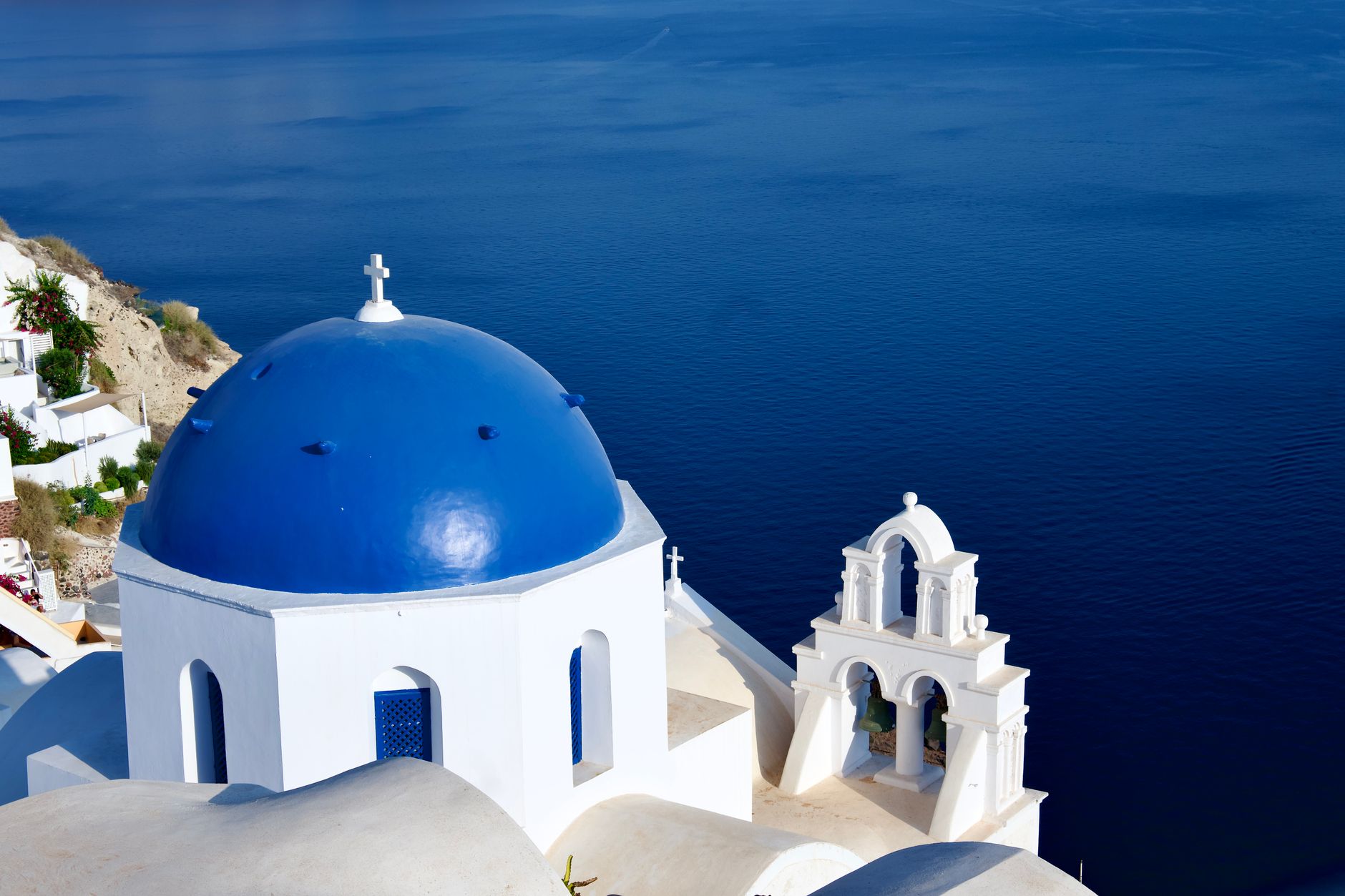
What ties it together is a certain unhurriedness. Lunch is long, dinner starts late, and the concept of being rushed through a meal doesn't really exist. If you come expecting efficiency, you'll be annoyed. If you come expecting to sit for three hours over grilled fish and a carafe of wine, you'll understand the place.
Where to go in Greece
Athens deserves more than the day-and-a-half most people give it before fleeing to the islands. Beyond the Acropolis, spend time in Anafiotika, the tiny Cycladic-style neighbourhood clinging to the hill, and in the old bazaar streets around Monastiraki. The National Archaeological Museum is genuinely world-class and often quiet.

The Cyclades are the islands of the imagination — Santorini and Mykonos among them. Both are beautiful and both are heaving in summer. If you want the same light and architecture with room to breathe, look at Naxos (which also has real farming villages and mountains), Milos with its lunar coves, or Folegandros for something slower.
Crete is almost a country of its own: a proper mountain range, gorges, Minoan palaces, and the best food in Greece, argued by many Cretans and quite a few others. It rewards a week, not a long weekend.
The Peloponnese suits drivers and history people — Nafplio as a base, then Mycenae, Epidaurus, the fortress town of Monemvasia, and the tower-houses of the Mani peninsula.
The Ionian islands on the west coast — Corfu, Kefalonia, Lefkada — are lusher and greener, with a Venetian rather than Aegean feel, and turquoise water that genuinely looks fake in photographs.
Getting around Greece is easiest with your own wheels, so it is worth hiring a car for a few days — and you will find somewhere to stay to suit most budgets.
When to visit
May, June, September and early October are the sweet spot: warm sea, manageable crowds, and heat you can walk around in. July and August are hot and busy, with island prices and ferries at their peak; if that's your only window, pick a bigger island where the crowds dilute.
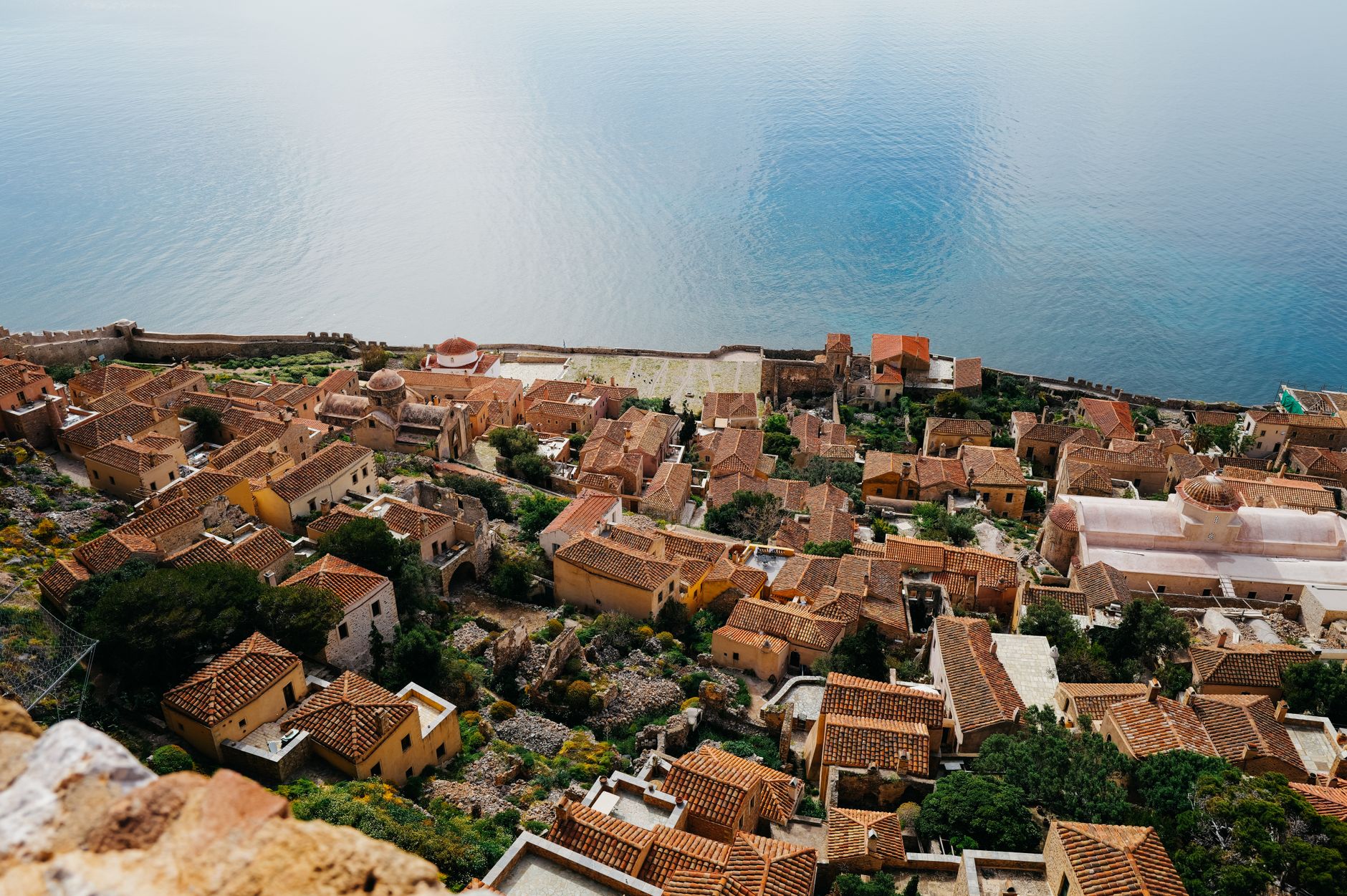
Spring brings wildflowers to the mainland and the Peloponnese, and Orthodox Easter — which, as Cypriots know, is the emotional centre of the year, with roast lamb, midnight liturgy, and villages that come alive. Winter shuts down most small islands almost entirely, but Athens, Thessaloniki and the mountain regions stay open and are cheaper and calmer.
What first-time visitors get wrong
The biggest mistake is island-hopping too fast. People plan four islands in a week, then spend it on ferries and packing. Two islands, or one island plus Athens, is plenty. Ferries also don't always run daily between smaller islands, and routes aren't always logical — check the actual sailings before you build a plan around them.

The second mistake is underestimating distances on the mainland. It looks compact on a map; then you meet the mountain roads.
And the third is treating the tourist-strip tavernas near the big sights as representative. Walk ten minutes inland, look for handwritten menus and a crowd of locals, and eat there instead.
What to eat
Greek food is regional, so eat what the place does. On Crete, that means dakos (rusk soaked with tomato and topped with soft cheese), snails, and wild greens. In the north, more meat, peppers and Balkan influence. On the islands, whatever came off the boat that morning, grilled whole and dressed simply with oil and lemon.
Order a spread of small plates rather than a main each — that's how the table is meant to work. Try the local house wine served in a metal jug; it's cheap and often better than the label. Finish with tsipouro or raki, which will arrive whether you ask or not, and don't leave without proper bougatsa or galaktoboureko from a bakery rather than a restaurant.

