

 Tasso Mitsarakis / Pexels
Germany: what to see and when to go
· Cyprus Travel Deals
Germany rarely sells itself. It doesn't have the Aegean light or the loud confidence of a place that knows it's beautiful. What it has instead is depth: a country that rewards the traveller who slows down, orders a second beer, and lets a Tuesday afternoon in a small town do its quiet work. The postcard shows Neuschwanstein castle in the snow. The reality is closer to a bakery at 7am, a forest path that goes on longer than you expected, and trains that mostly, though not always, run on time.
What Germany is actually like
Forget the idea of one Germany. The country was stitched together from kingdoms and city-states, and it still feels like it. Bavaria in the south, with its beer halls and Catholic villages, has almost nothing in common with the flat, Protestant, wind-scoured north around Hamburg. Berlin, meanwhile, belongs to no one but itself.

For a Cypriot used to compact distances and a life lived outdoors, two things stand out. The first is scale: Germany is large, and getting from Munich to the Baltic coast is a real journey, not an afternoon. The second is the rhythm of daily life. Shops close on Sundays, and many close early on Saturdays. Cash is still king in a surprising number of places, so don't assume your card will work at the bakery or the beer garden. Plan around this rather than fighting it.
Where to go in Germany
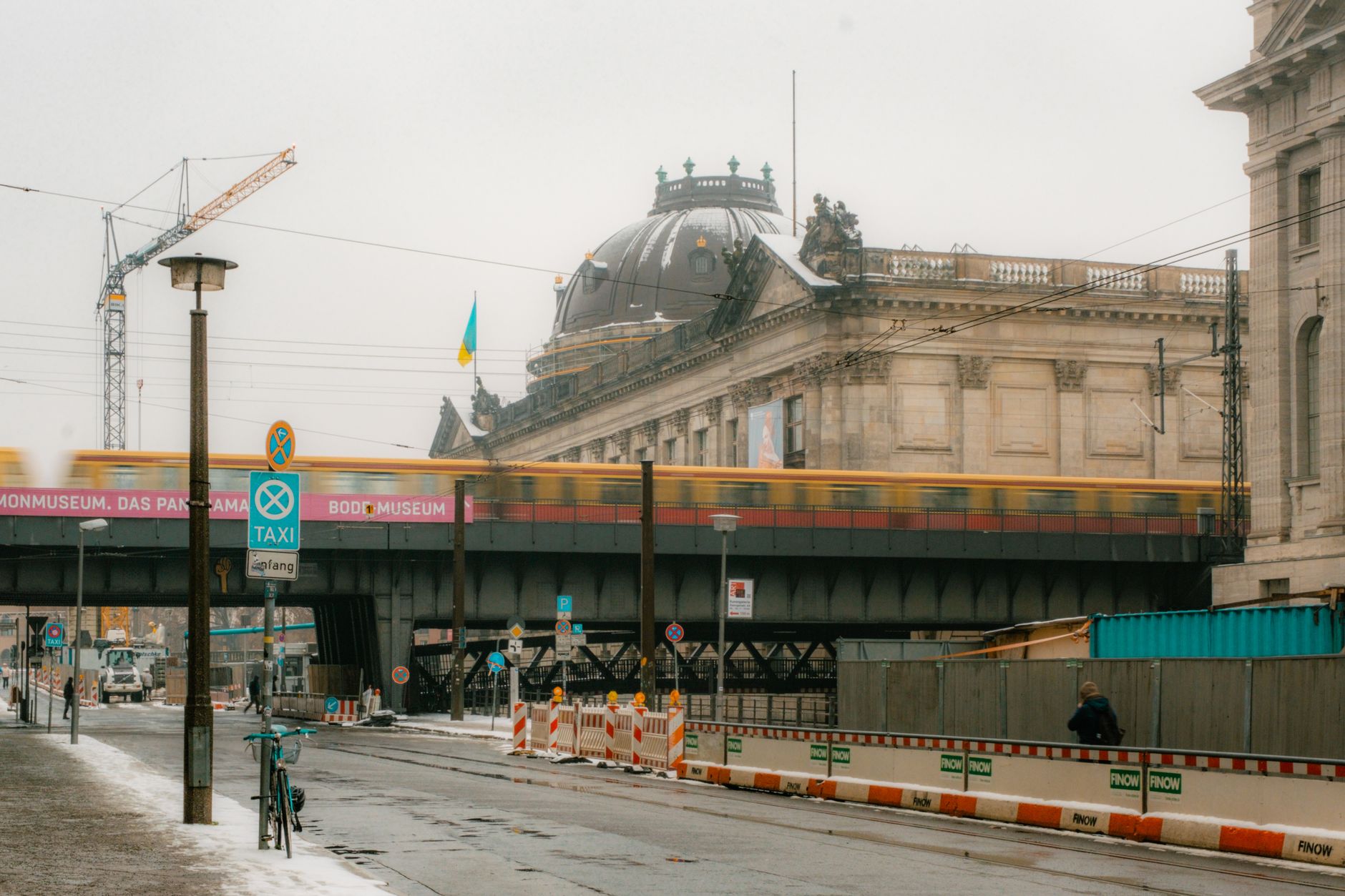
Berlin is the obvious first stop, and rightly so. It is scruffy, spread out, and endlessly interesting, a city built over its own scars. You come here for the history you can walk through, for museums that would take a week, and for nightlife that treats the clock as a suggestion. It suits curious travellers who don't mind a place that is more compelling than pretty.
Munich and Bavaria are the Germany of the imagination: beer gardens under chestnut trees, mountains within reach, orderly streets. Use Munich as a base and get out into the Alps, to towns like Garmisch, or to the lakes south of the city. This is the region for anyone who wants scenery and tradition in the same trip.
Hamburg is water, red brick, and a maritime swagger. It rains, it's grey, and it's one of the most quietly livable cities in the country, with a harbour, canals, and a music scene. Good for people who like their cities working rather than performing.
The southwest — the Black Forest, Freiburg, the wine country along the Rhine — is where you go for slow drives, spa towns, and the kind of steep-sided river valleys studded with vineyards and castles that photograph absurdly well.
Cologne and the Rhineland offer a warmer, more relaxed temperament than the north, a colossal cathedral, and a beer culture built around small glasses of Kölsch.
Getting around Germany is easiest with your own wheels, so it is worth hiring a car for a few days — and you will find somewhere to stay to suit most budgets.
When to visit
Late spring and early autumn are the sweet spots. May, June, and September give you long days, gardens in bloom or turning, and weather that lets you sit outside without either freezing or wilting.

Summer is warm and green but busy, and July and August draw crowds to the Alps and the popular old towns. It's also when Germans themselves travel, so cities can feel emptier and coastal spots fuller.
Autumn brings wine harvest festivals along the Rhine and Mosel. December is dark and cold, but it's also Christmas market season, when town squares fill with mulled wine, roasting nuts, and wooden stalls. It's genuinely magical and genuinely crowded. Deep winter beyond the markets is bleak in the flatlands and glorious in the mountains if you ski.
What first-time visitors get wrong
They underestimate distances and try to see Berlin, Munich, and the Rhine in five days. Pick a region. The trains are good, but the country is big.

They also expect everyone to switch to English instantly. In cities that's usually fine; in smaller towns, a few words of German and a bit of patience go a long way. And they misread German directness as rudeness. It isn't. People say what they mean, help when asked, and don't perform friendliness. Once you stop expecting Mediterranean warmth on the surface, the place opens up.
What to eat
Go beyond sausage, though the sausage is worth it. Eat a proper breakfast of bread, cold cuts, and cheese. Try Schweinshaxe, the roasted pork knuckle, in Bavaria, and Currywurst from a street stand in Berlin. In the north, look for fresh fish rolls at the harbour.
Bread and bakeries are a national obsession worth indulging daily. And the beer is regional: order what the locals order, wheat beer in the south, Kölsch in Cologne, Pilsner in the north. In the southwest, drink the Riesling where it's grown.

