

 Valentin Ivantsov / Pexels
France: what to see and when to go
· Cyprus Travel Deals
The Paris Métro smells of warm brake dust and someone's cigarette, and within twenty minutes of landing most first-timers are standing under the Eiffel Tower wondering why they feel slightly let down. France rewards the traveller who gets past that first postcard. The country hiding behind the monuments — the village boulangerie at 7am, the roadside vineyard with a hand-painted sign, the Alpine valley where nobody speaks English and nobody needs to — is the one worth the trip.
What France is actually like
France is bigger and more varied than the Eiffel-Tower shorthand suggests. It runs from the flat, grey-green farmland of the north to the parched hills of Provence, from Atlantic surf beaches to Mediterranean coves that would look at home in Cyprus. The one thread through all of it is a seriousness about ordinary pleasures: lunch is not a sandwich at your desk, bread is not an afterthought, and Sunday is genuinely a day when much of the country shuts and eats.

The cliché of French rudeness is mostly a misunderstanding. The French run on formality, not warmth. Walk into a shop and say "Bonjour" before anything else, and the temperature changes instantly. Skip it and go straight to your question in English, and you will get the cold face you were warned about. It is a small ritual and it works everywhere.
Where to go in France
Paris is the obvious start and worth two or three days, no more on a first trip. Skip trying to "see" the Louvre in full — it defeats everyone — and pick a wing. The better memories come from the streets: Montmartre before the crowds arrive, the Marais, a market on the Rue Mouffetard.
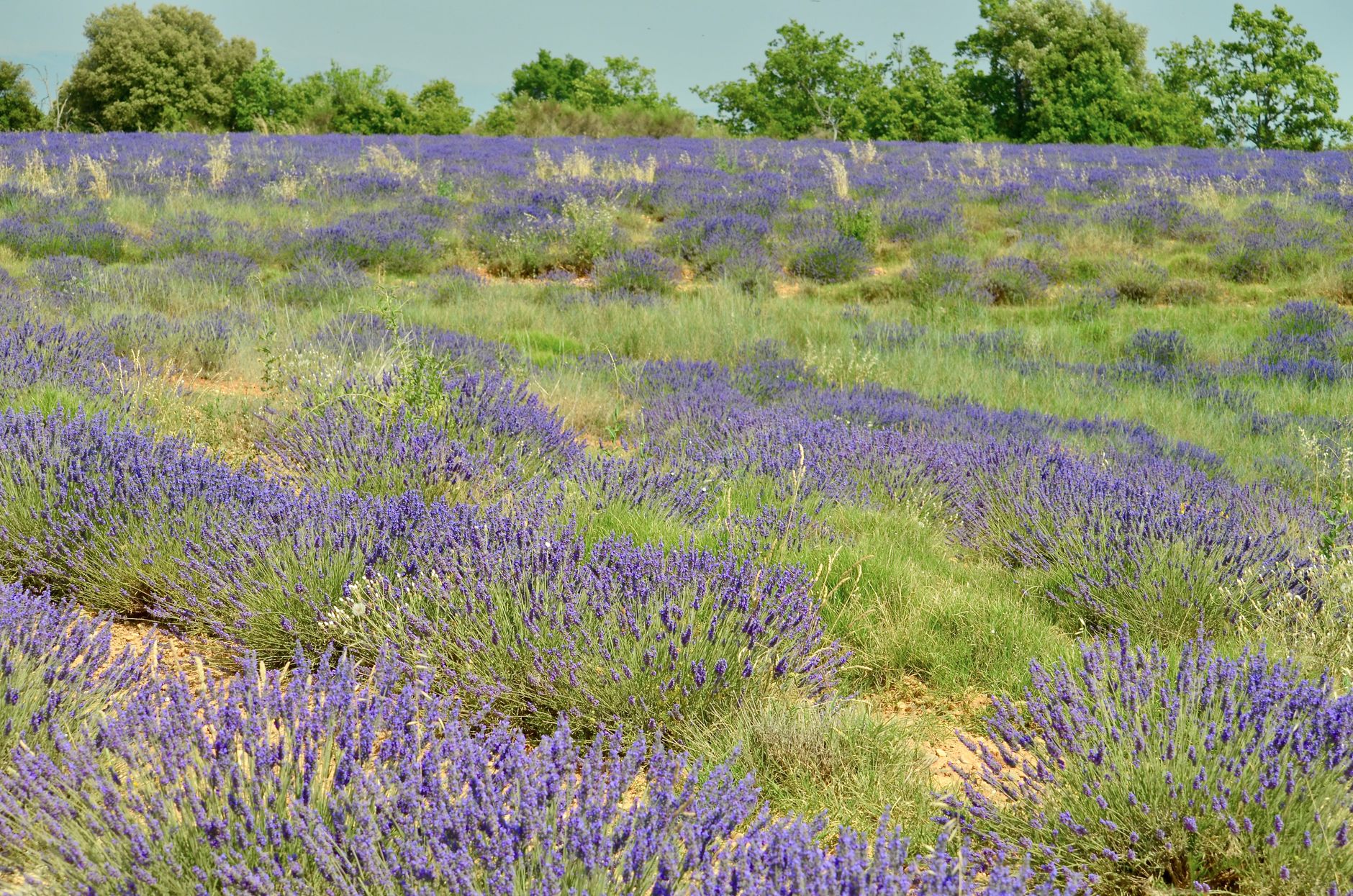
Provence and the south suit anyone who already loves the Mediterranean and wants a version with more lavender and better wine. Aix-en-Provence, the Luberon hill villages, Avignon. The light here is the thing painters kept chasing. The coast around Nice and the Riviera is glamorous and expensive and, in high summer, packed shoulder to shoulder.
The Loire Valley is château country, gentle and green, good for a slower few days by car. Lyon is the food capital and unglamorous in the best way — a working city that eats extraordinarily well. The French Alps — Chamonix, Annecy — are for mountains, whether you ski in winter or walk in summer. Brittany and Normandy in the northwest are wilder, cooler and wetter: oysters, cliffs, tidal islands, the D-Day beaches.
If you have island-holiday instincts from home, the south and Corsica will feel most familiar. If you want something deliberately different, go north and inland.
Getting around France is easiest with your own wheels, so it is worth hiring a car for a few days — and you will find somewhere to stay to suit most budgets.
When to visit
Late spring (May and June) and early autumn (September) are the sweet spots: warm enough, long days, and the crowds thinner than the July–August crush. August is when the French themselves go on holiday, which means Paris empties of locals and fills with tourists, and many small restaurants and shops in the cities simply close for weeks. The south in August is beautiful and heaving.

Winter is grey and short-dayed across most of the country, atmospheric in Paris and the Alsace Christmas markets, and prime time only in the mountains. If heat is what you are escaping Cyprus for, you won't find it; if a cool, green, layered-up trip appeals, winter has its own quiet.
What first-time visitors get wrong
They try to do too much. France is not a weekend of ticking off sights; it rewards picking one region and going slow. They also underestimate distances — the country is large, and hopping from Paris to Provence to the Alps in a week means spending the week in transit.

Meal timing catches people out. Kitchens close in the afternoon, often from around 2pm until 7pm or later, and turning up hungry at 5pm leaves you with a café or nothing. Sundays and Monday closures surprise people too.
And do learn a few words. Nobody expects fluency, but bonjour, merci, s'il vous plaît and au revoir change how you are treated more than any amount of pointing.
What to eat
Eat regionally — the point of France is that the food changes as you move. In the southwest, duck confit and cassoulet. In Lyon and the centre, rich charcuterie and offal-heavy bistro cooking. On the coasts, oysters, mussels and fish. In Provence, tomatoes, olive oil, ratatouille and rosé.
Do the simple things properly. A morning croissant from a real bakery, not a hotel buffet. A market lunch of bread, cheese and saucisson eaten outside. A long dinner where the courses arrive slowly and nobody rushes you toward the bill. That unhurried table is the most French thing there is.

