

 Alex Does Pictures / Pexels
Estonia: what to see and when to go
· Cyprus Travel Deals
Tallinn's Old Town looks like a fairy tale until you notice the drone-delivery robots trundling past the medieval guild houses. Estonia is the country where you can pray in a 700-year-old church and file your taxes in three minutes from your phone, and nobody finds the combination strange. For a reader coming from Cyprus, the contrast is total: pine forest instead of scrub, bog instead of beach, and a summer sun that barely sets.
What Estonia is actually like
Estonia is small, flat, and heavily forested, with a long ragged coastline and more than 2,000 islands, most of them empty. Roughly half the country is woodland, and a good chunk of the rest is peat bog, which sounds bleak until you walk a boardwalk across one at dawn and understand why Estonians treat these places as sacred.
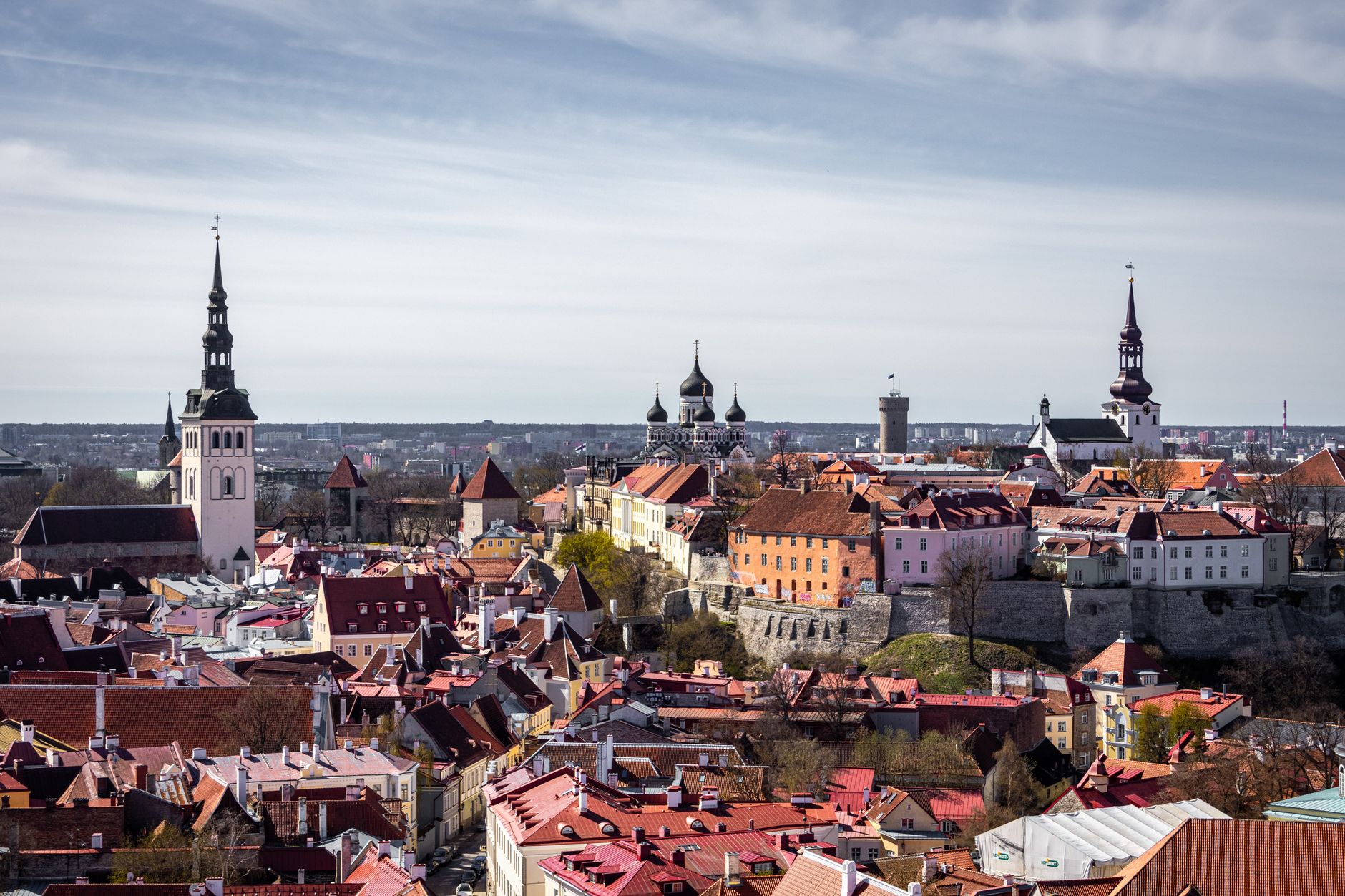
The postcard is Tallinn's Old Town — cobbles, spires, city walls — and it earns the fame. But it's the least representative corner of the country. The real Estonia is quieter and more Nordic than the medieval marketing suggests: modest wooden houses, saunas by the water, a deep national attachment to forest, silence, and berry-picking. People can seem reserved to the point of frostiness at first. It isn't rudeness. Small talk simply isn't a value here, and once you stop expecting it, the reserve reads as calm rather than cold.
The country is also relentlessly digital in a way that genuinely affects your trip. Paying with a card everywhere is normal, free wifi is close to universal, and getting online is never a problem.
Where to go in Estonia
Tallinn is the obvious start and worth two or three days. The Old Town is compact enough to cross on foot, but the more interesting neighbourhoods sit just outside it. Kalamaja, the old wooden fishermen's district, has been colonised by cafés, and the Telliskivi Creative City nearby fills former factory buildings with bars, studios and a good street-food scene. Give the touristy Toompea restaurants a miss and eat where the locals walk.

Tartu, a couple of hours south, is the university town and the country's intellectual heart. It's smaller, younger and less polished than Tallinn, good for a day or two if you want museums, riverside bars and a student-town energy rather than sights.
The islands — Saaremaa and Hiiumaa — are where Estonians themselves go to slow down. Windmills, juniper heath, lighthouses, and a meteorite crater on Saaremaa. This is the trip for anyone who wants emptiness and old rural rhythm rather than nightlife.
Lahemaa National Park, east of Tallinn, is the easiest dose of the real landscape: bog boardwalks, coastal forest, restored manor houses and a couple of near-abandoned fishing villages. If you only leave the capital once, come here.
Getting around Estonia is easiest with your own wheels, so it is worth hiring a car for a few days — and you will find somewhere to stay to suit most budgets.
When to visit
Summer, roughly June to August, is when Estonia comes alive. The days stretch out until near midnight, the sea warms just enough to swim, and the whole country moves outdoors. This is the best time to go, and also the busiest and priciest in Tallinn.

Autumn brings forests turning gold and the country's obsession with mushroom-picking. September is a genuine sweet spot: mild, quiet, still light enough to enjoy.
Winter is dark and properly cold, well below freezing for weeks, with snow and only a few hours of daylight. It has real charm — Christmas markets, snow-muffled Old Town, saunas — but for a Cyprus reader used to mild winters, the darkness is the thing to prepare for, not the cold. Spring is slow to arrive and can be grey and muddy well into April.
What first-time visitors get wrong
The biggest mistake is never leaving Tallinn. The Old Town is beautiful and you'll have seen its essence in a day; the country that makes the trip worthwhile is the forest, coast and islands beyond it.

The second is underestimating summer daylight. In June it barely gets dark, and if you're sensitive to light, a hotel room with proper blackout curtains matters more than you'd think.
The third is packing for a beach holiday. Even in July the weather turns, the Baltic is bracing rather than warm, and a rain jacket and a warm layer are not optional.
What to eat
Estonian food is honest and seasonal rather than showy. Black rye bread is the staple and appears at every meal; Estonians are genuinely proud of it. In summer, look for fresh forest berries, chanterelles, cold soups and smoked fish along the coast.
The heavier traditional plates — pork, potatoes, sauerkraut, blood sausage around Christmas — suit the cold better than a warm afternoon. For drinks, the local craft beer scene is strong, and Vana Tallinn, a dark rum-based liqueur, is the souvenir bottle everyone brings home, though it's more novelty than nightly habit.