

 Nico Marín / Pexels
Cape Verde: what to see and when to go
· Cyprus Travel Deals
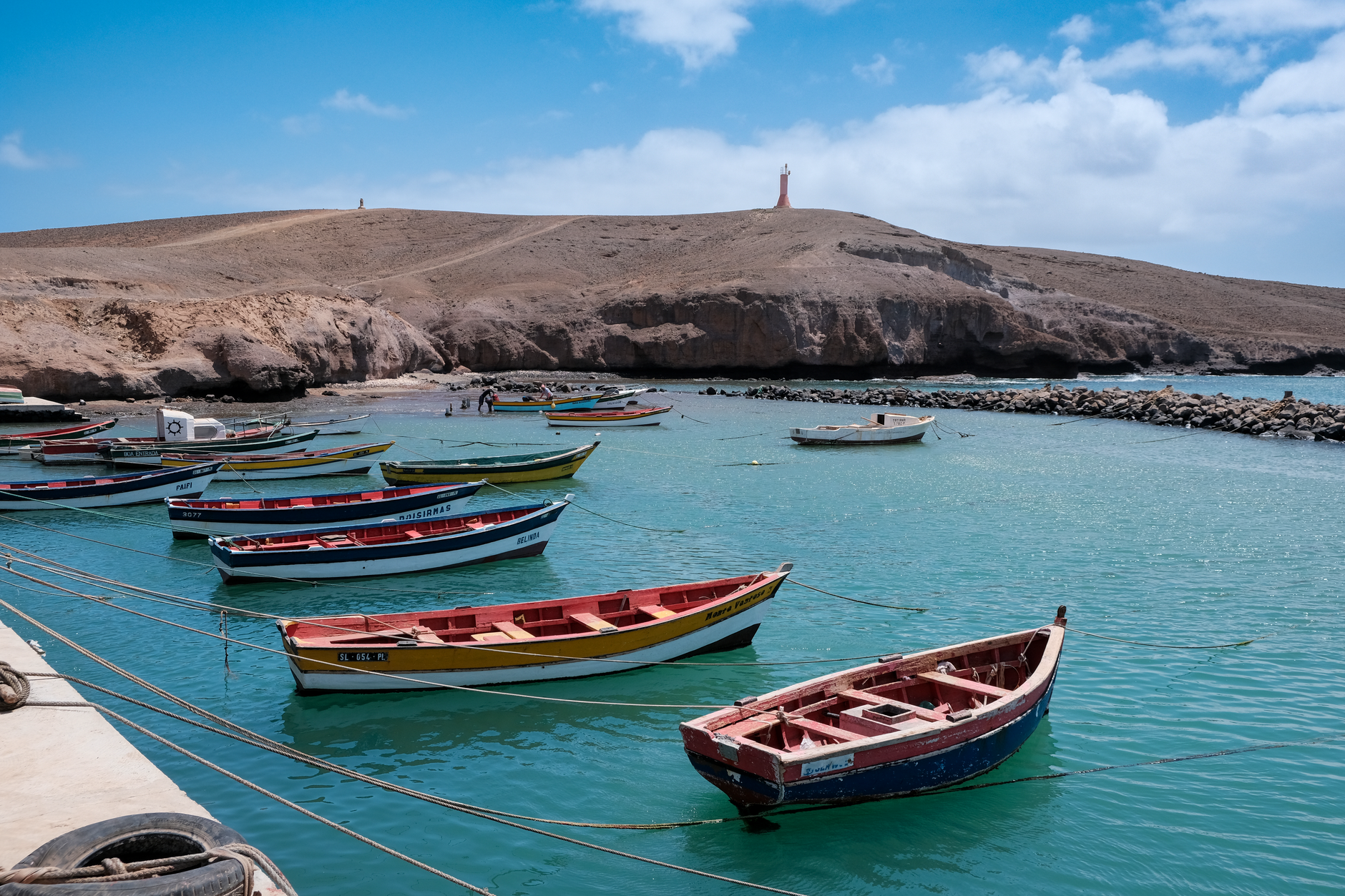
Ten islands scattered off the coast of West Africa, and no two of them feel like the same country. On Sal, the wind never stops and the horizon is flat as a table; three hundred kilometres away on Santo Antão, cloud forests drip onto vertical valleys where farmers grow sugarcane on ledges you'd swear a goat couldn't stand on. Cape Verde is the mid-Atlantic, half-African and half-Portuguese, running on its own unhurried clock.
What Cape Verde is actually like
The islands were empty when the Portuguese found them in the 1400s, then filled with enslaved West Africans and European settlers, and the culture that came out of that mix is the whole point. The language of the street is Kriolu, a Portuguese-based creole; the music is morna, slow and melancholy, the sound Cesária Évora carried out into the world. The national mood has a word — morabeza — roughly meaning warmth and easy hospitality, and it's real, not a tourist-board invention.

Set your expectations correctly. This is not a lush tropical paradise across the board. Several islands are bone-dry and volcanic, closer to a lunar landscape than a jungle. Infrastructure is patchy, ferries run to their own schedule, and the pace is genuinely slow. If you need everything to work on time, you'll spend the trip frustrated. If you can let go, that same slowness is the reward.
Where to go in Cape Verde
Sal and Boa Vista are the beach islands, flat, sandy and windswept, built around long white beaches and turquoise shallows. Sal in particular is where the resorts cluster, and it's the easiest introduction — reliable sun, watersports, an established tourist strip around Santa Maria. It suits people who want to switch off by the sea and don't mind that the interior is essentially desert. Boa Vista is the wilder, emptier version of the same idea, with dunes and long stretches of nothing.
Santo Antão is the opposite of all that and, for many, the best island in the archipelago. It's mountainous and green in the north, cut with ribeiras — deep valleys — laced with hiking trails between villages. You reach it by ferry from São Vicente, and you come for walking, not beaches.
São Vicente is home to Mindelo, the country's cultural capital, a port town with colonial buildings, live music in the bars and a genuine café life. It suits travellers who want a town with a pulse rather than a resort.
Fogo is a live volcano with a village built inside its crater and vineyards growing in black volcanic soil. The climb up Pico do Fogo is a serious day. Santiago, the largest island and home to the capital Praia, is the most African in feel, with the lively Sucupira market and Cidade Velha, the first European town in the tropics.
Getting around Cape Verde is easiest with your own wheels, so it is worth hiring a car for a few days — and you will find somewhere to stay to suit most budgets.
When to visit
The climate is stable and warm year-round, which is the main draw. Roughly November to June is the drier, most comfortable stretch, and the sea is calmest for beach islands later in that window. The wind is a constant on Sal and Boa Vista, glorious if you're a kitesurfer and irritating if you wanted still air on the sand.

August and September bring the short rainy season and the heat peaks. On dry islands "rain" may mean a few showers; on the green islands it's what turns the hills properly lush. Hurricane-belt weather sits well to the west, so the islands mostly escape it, but the Atlantic swell picks up in autumn.
What first-time visitors get wrong
The biggest mistake is treating Cape Verde as one destination. People book a week on Sal expecting to "see Cape Verde" and see one flat sandy island. Island-hopping is the trip — but it takes time, because inter-island transport is slow and connections aren't dense. Plan two islands properly rather than five in a rush.

Bring cash. Card acceptance is thin once you leave the resorts, and the local currency, the escudo, is pegged to the euro, which makes budgeting simple. Don't over-plan the days either; things open late and run late, and pushing against that gets you nowhere.
What to eat
The national dish is cachupa, a slow-cooked stew of corn, beans, and whatever meat or fish is around — eaten for dinner, then fried up with an egg the next morning as cachupa refogada. The islands are Atlantic, so the fish is the thing: tuna, wahoo, grouper, grilled simply, often with fresh lime. Try the local grogue, a fierce sugarcane spirit, and ponche, its sweeter, honeyed cousin. On Fogo, look for the coffee and the crater-grown wine, both better than they have any right to be from that black soil.

