

 Denitsa Kireva / Pexels
Bulgaria: what to see and when to go
· Cyprus Travel Deals
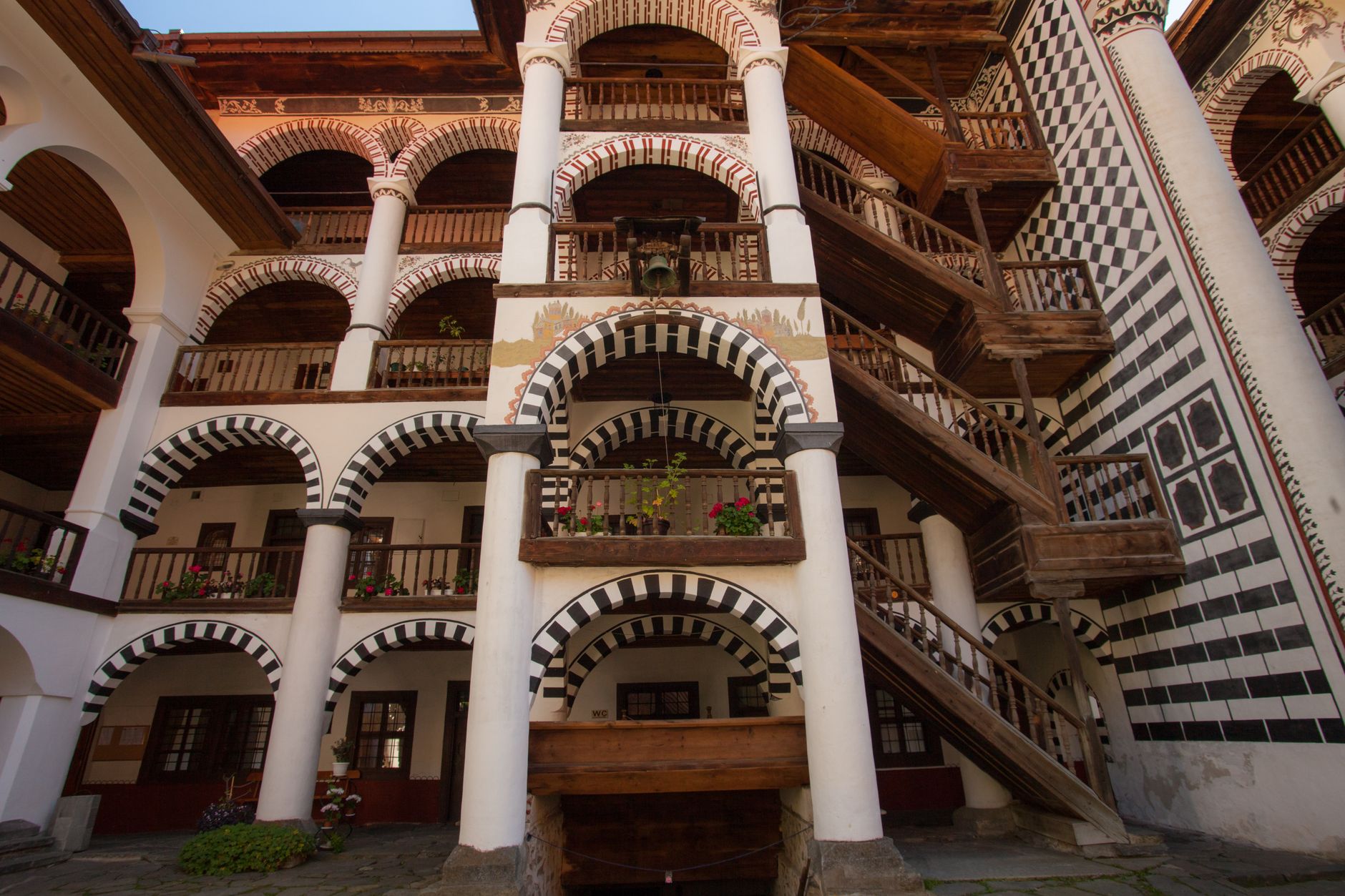
The Rila Monastery sits in a mountain fold about two hours south of Sofia, its courtyard walls painted top to bottom in reds, blues and gold, monks' cells stacked in tiers like something built for a story. Bulgaria is full of this: a country most people can't quite place, sitting on rose fields, Thracian tombs, Black Sea beaches and some of the cheapest good wine in Europe. It asks very little of you and gives back more than you expect.
What Bulgaria is actually like
Forget the grey post-Soviet picture that lingers in a lot of heads. Sofia has trees, a lot of cafés, Roman ruins visible through glass in the metro stations, and a mountain — Vitosha — rising straight behind the city. But Bulgaria is not a country you come to for one polished capital. It rewards movement: villages with stone houses and vine-shaded yards, monasteries in the hills, a coastline that swings from package-holiday loud to genuinely quiet within an hour's drive.
It is Orthodox and Cyrillic, so signage takes a day or two to decode, though younger people speak decent English. It is also cheaper than most of Europe, which shapes the whole trip — you eat well, drink well and sleep comfortably without doing sums in your head. The trade-off is that infrastructure can be uneven. Trains are slow and scenic; roads range from smooth motorway to patched village lanes.
Where to go in Bulgaria
Sofia suits a two- or three-day start: the Alexander Nevsky cathedral, the mineral baths, the buzzy Graf Ignatiev area, and easy day trips to Rila Monastery and the Boyana church. It is a working city more than a beautiful one, and that honesty is part of its appeal.
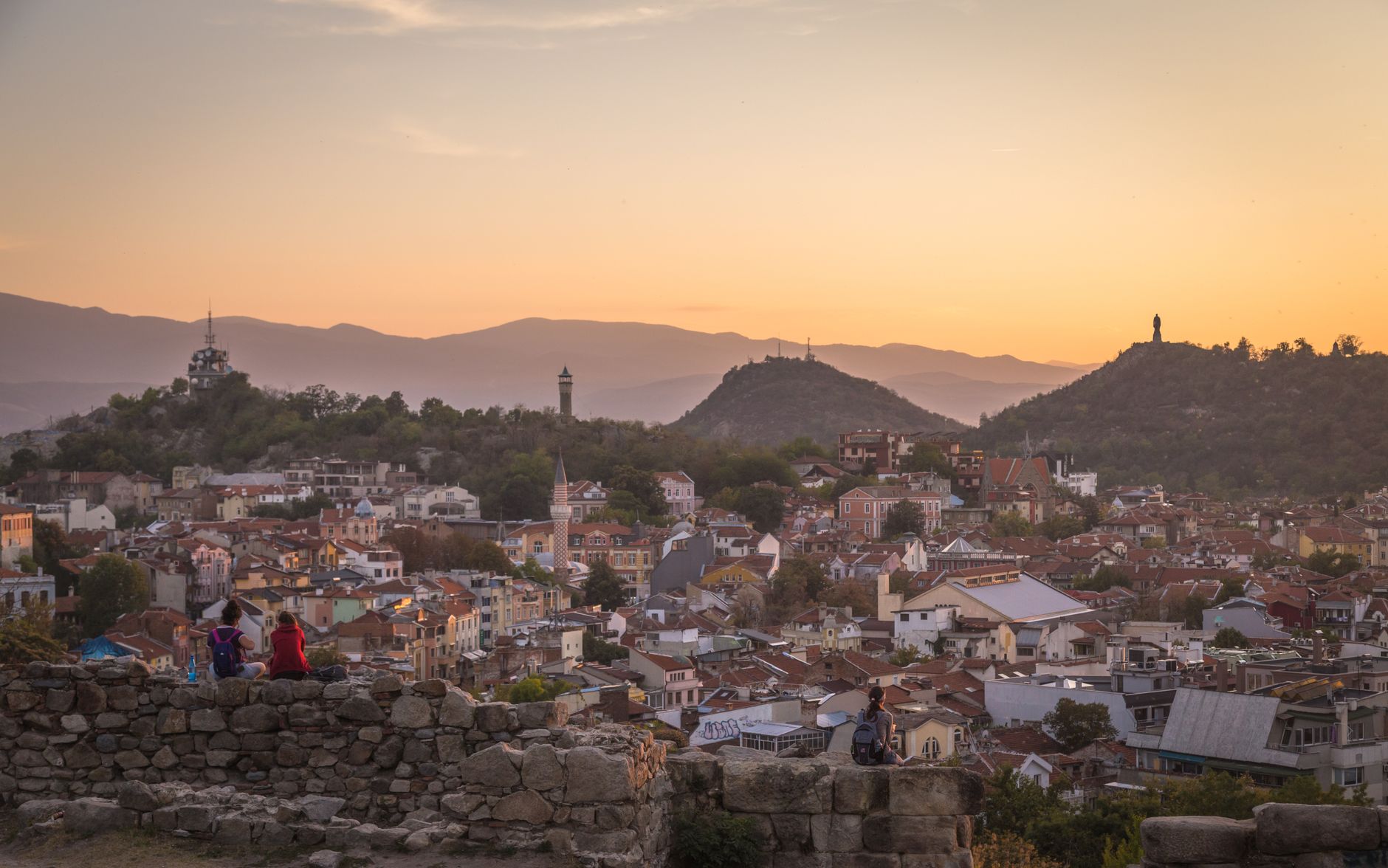
Plovdiv is the one people fall for. Its old town is a hill of cobbled lanes and painted merchant houses from the National Revival period, and there's a Roman amphitheatre still used for concerts. The Kapana district — a grid of former craftsmen's streets — is now full of small bars and studios. If you only leave Sofia once, come here.
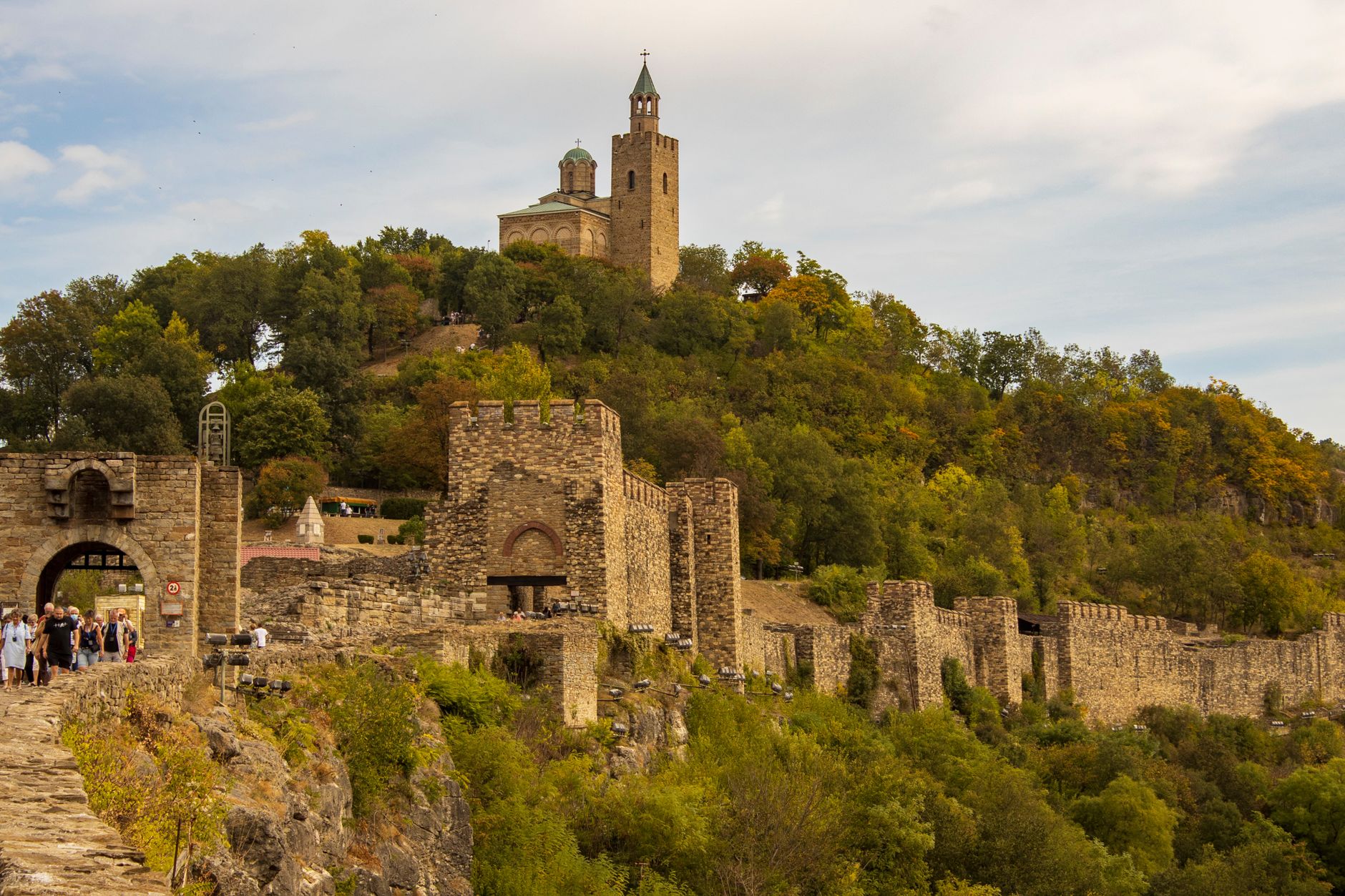
Veliko Tarnovo, the medieval capital, drapes over a river gorge with the Tsarevets fortress lit up at night. It suits anyone who likes history stacked on dramatic terrain.
Bansko and the Pirin mountains are the winter draw, with skiing below jagged peaks and a stone-built old town that survives the resort crowds. In summer the same mountains turn into hiking country, quieter and cooler than the coast.
The Black Sea coast splits in two. The big resorts — Sunny Beach chief among them — are loud, cheap and packed in July and August, better suited to a certain kind of party holiday than a quiet one. But Sozopol and Nesebar keep their old-town character, and the far south around Sinemorets stays wild and low-key. Choose deliberately; the coast is not one thing.
Getting around Bulgaria is easiest with your own wheels, so it is worth hiring a car for a few days — and you will find somewhere to stay to suit most budgets.
When to visit
Late spring, roughly May and June, is the sweet spot. The rose valley near Kazanlak is harvesting, the mountains are green, and the heat hasn't yet arrived. September is the other strong bet — warm sea, thinner crowds, wine harvest under way.
July and August bring real heat and the fullest beaches, which will feel familiar to anyone coming from a Cyprus summer, though the mountains stay a good deal cooler. Winter is for Bansko and the ski resorts, with Sofia cold and often grey but its Christmas markets and warm mehanas making up for it.
What first-time visitors get wrong
The biggest mistake is treating Bulgaria as a beach country and stopping at the coast. The interior — mountains, monasteries, Plovdiv — is where the trip becomes memorable, and it's a short drive from almost anywhere.

The second is underestimating distances and road time. The country looks compact but travel is slower than the map suggests, so don't plan to sweep from Sofia to the sea and back in a couple of days.
Third, the famous head gesture: a nod can mean no and a shake can mean yes. It trips everyone up. When in doubt, confirm in words.
And carry some cash. Cards work in cities, but villages, small mehanas and mountain huts often don't take them.
What to eat
Start with a shopska salad — tomato, cucumber, pepper and grated white brine cheese — which appears on every table and is genuinely good. The cheese, sirene, and its harder cousin kashkaval, turn up everywhere.
Order banitsa, a flaky pastry with cheese, ideally for breakfast with a glass of ayran or boza. Grilled meats — kebapche and kyufte — are the backbone of a mehana meal, alongside kavarma, a slow-cooked clay-pot stew.
Drink the wine. Bulgaria has been making it for millennia, and the mavrud and rubin reds reward curiosity. And be warned that rakia, the fruit brandy, is poured generously and is stronger than it tastes.