

 LIZHI LIANG / Pexels
Belgium: what to see and when to go
· Cyprus Travel Deals
Belgium fits inside a three-hour drive, corner to corner, and yet the country can't agree on a single language, a single beer culture, or even a stable government. What it does agree on is that lunch matters, that a square should be surrounded by guild houses gilded to the point of absurdity, and that rain is not a reason to change your plans. Come expecting grey skies and leave remembering the smell of hot waffle batter drifting across a medieval market.
What Belgium is actually like
The postcard sells you Bruges: canals, swans, cobbles, horse-drawn carriages. That Bruges exists, and in July it is packed shoulder to shoulder. The real country is more interesting and more divided. The northern half, Flanders, speaks Dutch and feels tidy, cycled-over, prosperous. The southern half, Wallonia, speaks French and runs to forested hills, old industrial towns, and slower rhythms. Brussels sits in the middle, officially bilingual, functionally chaotic, and far scruffier than its role as the EU capital suggests.
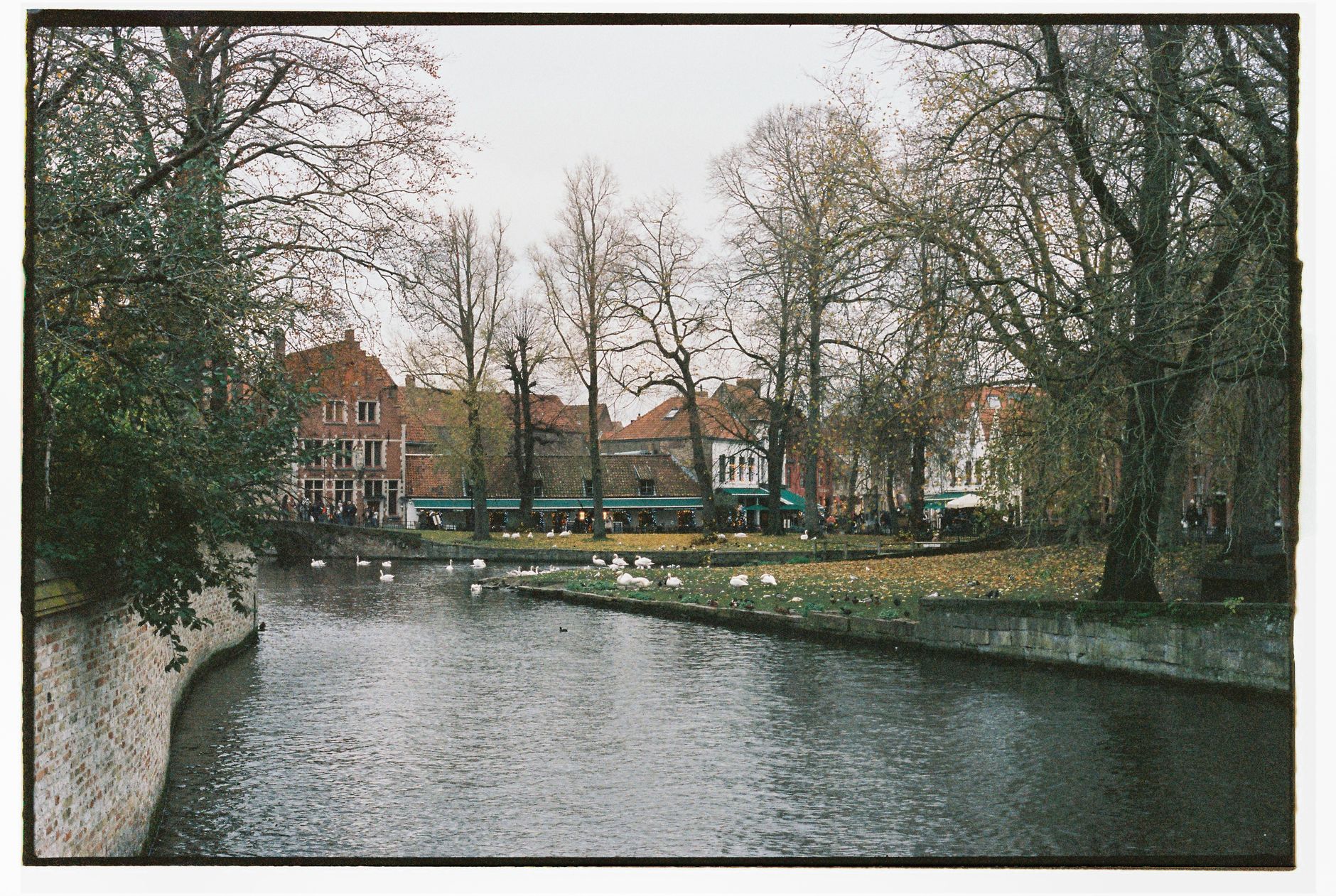
For a Cypriot used to open horizons and strong sun, Belgium reads as compressed and low-lit. Towns arrive quickly, one after another. The light is soft and often flat, which is exactly why the art here — Van Eyck, Bruegel, Magritte — obsesses over interiors and weather. Adjust your expectations and the density becomes a pleasure: you can wander three distinct cities in a long weekend without ever feeling rushed by distance.
Where to go in Belgium
Bruges is the beauty everyone photographs, and it earns it, but go early or stay overnight so you have the canals to yourself after the day crowds leave. Ghent, half an hour away, is the smarter choice for many — same medieval grandeur, a serious university-town energy, and a working city that hasn't been embalmed for tourists.

Brussels rewards people who like their cities imperfect. The Grand-Place is genuinely one of Europe's great squares, especially lit up at night, but the pleasure of the city is in the Art Nouveau townhouses, the comic-strip murals, the flea market at Place du Jeu de Balle, and the immigrant neighbourhoods where you can eat well for very little.
Antwerp is Belgium at its most stylish — a port city with a fashion pedigree, a cathedral holding several Rubens altarpieces, and a diamond quarter. It suits travellers who want galleries and good restaurants over fairy-tale cobbles.
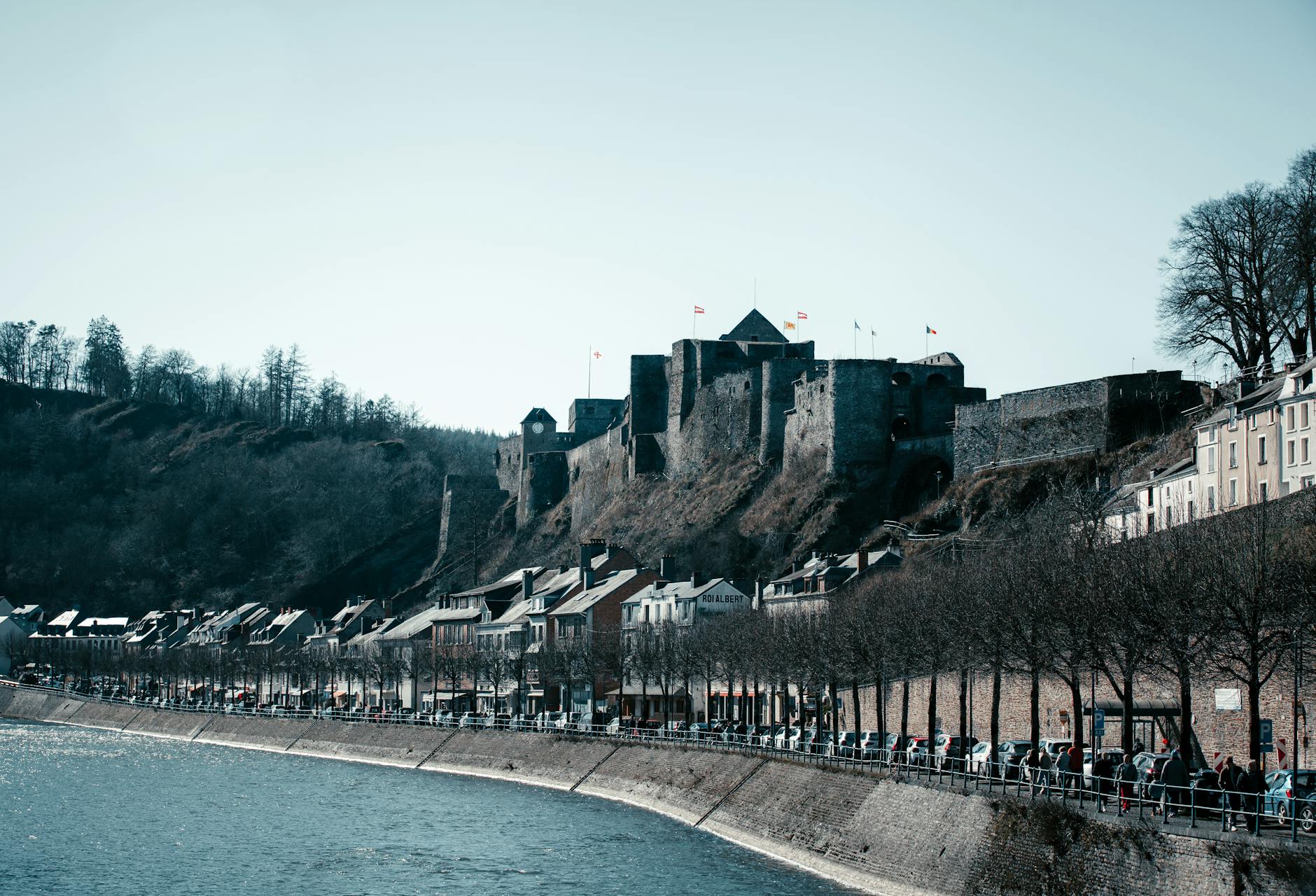
For quiet, head to the Ardennes in the southeast: wooded hills, rivers, castles, wild boar on menus. It's where Belgians themselves go to walk and eat. And the coast, flat and windswept, is worth it mainly for the retro kusttram that runs the length of it and for grey-shrimp croquettes eaten looking at the North Sea.
Getting around Belgium is easiest with your own wheels, so it is worth hiring a car for a few days — and you will find somewhere to stay to suit most budgets.
When to visit
Late spring through early autumn is the safe window. May and June give you long days and gardens in bloom before the summer crush. July and August are warm and busy — Bruges and the coast fill up, and Belgian holidays empty some city restaurants at the same time. September is arguably the sweet spot: mild, thinner crowds, still light in the evenings.

Winter is dark and damp, but December brings Christmas markets to nearly every town square, mulled wine, and a coziness the country does very well. Just know the daylight is short and the drizzle relentless. There is no truly dry season — carry a jacket whatever the month.
What first-time visitors get wrong
They try to "do" Belgium as a day trip from somewhere else and see only the Grand-Place and a waffle stand. They also underestimate how good the transport is: trains link the cities frequently and cheaply enough that basing yourself in one place and taking day trips works better than dragging luggage around.
The other mistake is treating beer as a novelty. Belgian beer is a serious, regional, food-pairing culture with hundreds of distinct styles, from sour lambics to heavy Trappist ales brewed by monks. Order what the café is known for, ask the bartender, and drink slowly — some of these are far stronger than they taste.
What to eat
Fries first. Get them from a friterie, twice-fried, in a paper cone with mayonnaise, not ketchup. This is not a snack Belgians take lightly.
Then moules-frites when mussels are in season, waterzooi (a creamy chicken or fish stew) in Ghent, stoofvlees (beef slow-cooked in dark beer) with more fries, and grey-shrimp croquettes on the coast. Chocolate is everywhere; skip the tourist-strip boxes and buy from a proper chocolatier by weight.
And waffles: the Liège style, dense and caramelised with pearl sugar, beats the lighter Brussels version most days. Eat it plain and warm, standing up.
