

 Valeria Drozdova / Pexels
Armenia: what to see and when to go
· Cyprus Travel Deals
Mount Ararat doesn't belong to Armenia anymore — the border with Turkey cut it away a century ago — yet it fills the skyline behind Yerevan like a national obsession, printed on brandy labels and painted in stairwells. That gap between what Armenians see every day and what they can actually reach tells you a lot about the country: proud, ancient, a little melancholy, and far more welcoming than its hard history would suggest.
What Armenia is actually like
Armenia is small, landlocked and mountainous, wedged between Turkey, Georgia, Azerbaijan and Iran. It was one of the first nations to adopt Christianity, and that early conversion is written into the landscape — stone monasteries stand on cliff edges and in gorges everywhere, many of them still working churches rather than museum pieces.
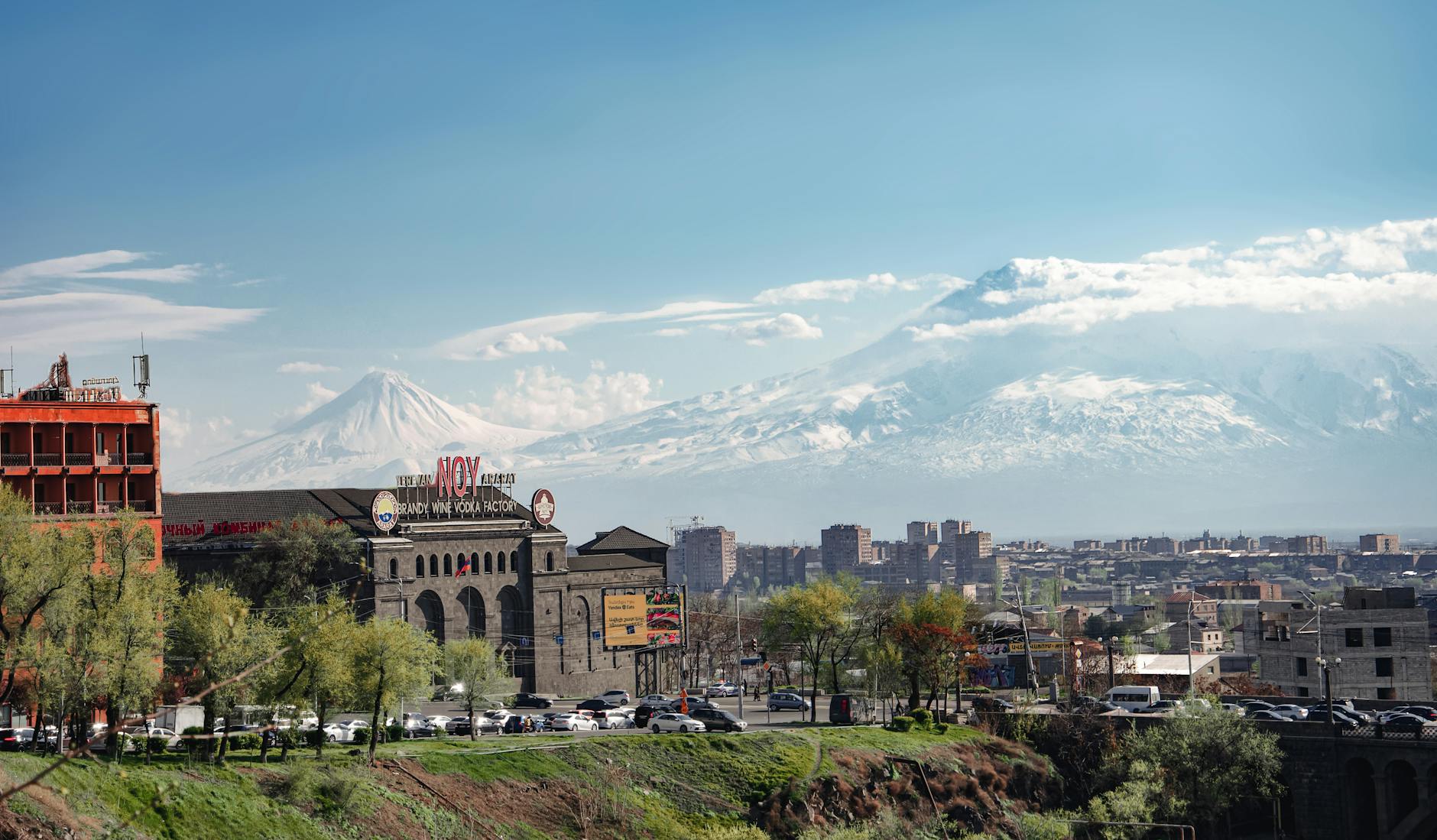
The postcard sells you monasteries and Ararat at golden hour. The reality is rougher and more interesting. Yerevan is a Soviet-planned city built largely from local pink and apricot-coloured volcanic tufa, so it glows warm in the afternoon light. Away from the capital, roads deteriorate, villages feel half-empty, and Lada cars still rattle up mountain passes. It is not a polished place. It rewards travellers who like their beauty a bit weathered.
Where to go in Armenia
Yerevan is where most people start and where you should give yourself more time than you'd expect. The Cascade, a giant stepped stairway of fountains and sculpture, is the obvious landmark, but the real pleasure is the café culture around the opera house and the evening ritual of everyone walking, eating ice cream and sitting by the singing fountains on Republic Square. Suits city people and first-timers.

Garni and Geghard, an easy trip east of the capital, pair a Greco-Roman temple perched over a gorge with a monastery partly carved into solid rock. Do both in a day.
Lake Sevan is a huge, high-altitude lake that Armenians treat as their seaside. The water is a startling blue, the monastery on its peninsula is worth the climb, and the grilled fish shacks along the shore are part of the appeal. It can feel bleak in bad weather, so go on a clear day.
Dilijan is the green counterpoint — forested hills, cooler air, walking trails and a restored old street. Good for anyone who wants nature over ruins.
Tatev, in the deep south, is the long haul: a spectacular monastery reached by a cable car that runs across a canyon. It's a full commitment from Yerevan, but the drive through the Vayots Dzor region takes you past Areni, the winemaking valley near one of the oldest known wineries on earth.
Getting around Armenia is easiest with your own wheels, so it is worth hiring a car for a few days — and you will find somewhere to stay to suit most budgets.
When to visit
Late spring, roughly May and June, and early autumn, September into October, are the sweet spots. In autumn the vineyards and orchards are harvesting, the light is soft, and the days are warm without the flattening heat.

Summer in Yerevan is genuinely hot and dusty, hotter than Cyprus readers might assume of a mountain country — locals with means clear out to Sevan, Dilijan or Jermuk to escape it. The high country stays pleasant, so summer works if you plan around altitude.
Winter is cold, grey and snowy, with real skiing at Tsaghkadzor. It has a certain hushed appeal, but many rural roads and remote monasteries become difficult, so it's a trip for a specific purpose rather than general sightseeing.
What first-time visitors get wrong
The biggest mistake is treating Armenia as a two-day city break. Yerevan is pleasant but the country's soul is in the gorges and monasteries, and those need day trips with a driver, since public transport to remote sites is thin.
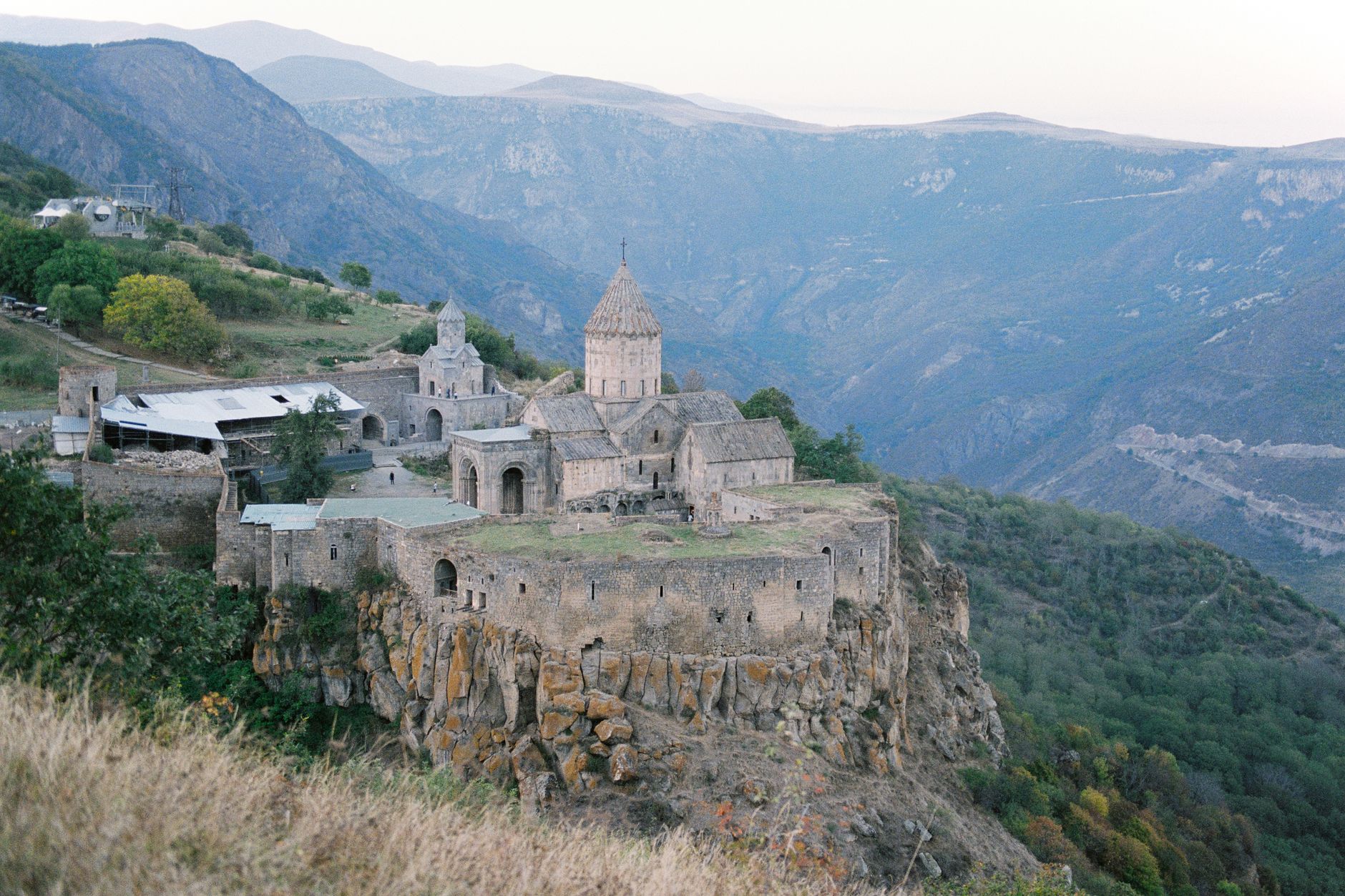
People also underestimate distances and road conditions. What looks close on a map can be a slow, winding drive. Build in more time than the kilometres suggest.
Don't expect beach-holiday polish. Service can be brusque rather than rude, menus aren't always translated, and cash is still king in villages. A little Russian goes a long way, and younger people increasingly speak English.
What to eat
Eat khorovats, the Armenian barbecue — pork, lamb or vegetables charred over vine cuttings and served with lavash, the thin flatbread they bake in a pit oven. Wrap the meat in the bread with fresh herbs and it makes sense immediately.
Try dolma (stuffed vine or cabbage leaves), lavash-wrapped everything, and the tart local cheeses and greens that come as starters. Summer means apricots and figs; pomegranate turns up in juice, sauce and decoration.
Drink the coffee, served thick and unfiltered in small cups. Armenian brandy is the national pride and genuinely good. And don't skip the Areni-area red wines — the wine tradition here is old, and it's finally getting the attention it deserves.
