


Where Cypriots Escape the Summer Heat
· Cyprus Travel Deals
Title: Where Cypriots Escape the Summer Heat
By mid-July the tarmac at Larnaca shimmers before you even reach the aircraft, and the sea has warmed to the temperature of a bath. Nights bring no relief — the humidity sits on the coast like a wet towel, and the air conditioning runs until the electricity bill hurts. This is the stretch of summer when Cypriots stop dreaming of beaches and start dreaming of a cardigan, and it is exactly when the smart money looks north. Here is where to escape the summer heat, all reachable from Larnaca or Paphos without a marathon of connections.
Alpine towns and mountain air within a short-haul flight
The fastest route to cool air is altitude. Fly into a hub with easy onward links to the Alps — northern Italy, Austria, Switzerland, southern Germany — and gain height. Mountain valleys stay far cooler than Cyprus in August, especially after dark, when you may genuinely want a fleece on a restaurant terrace.
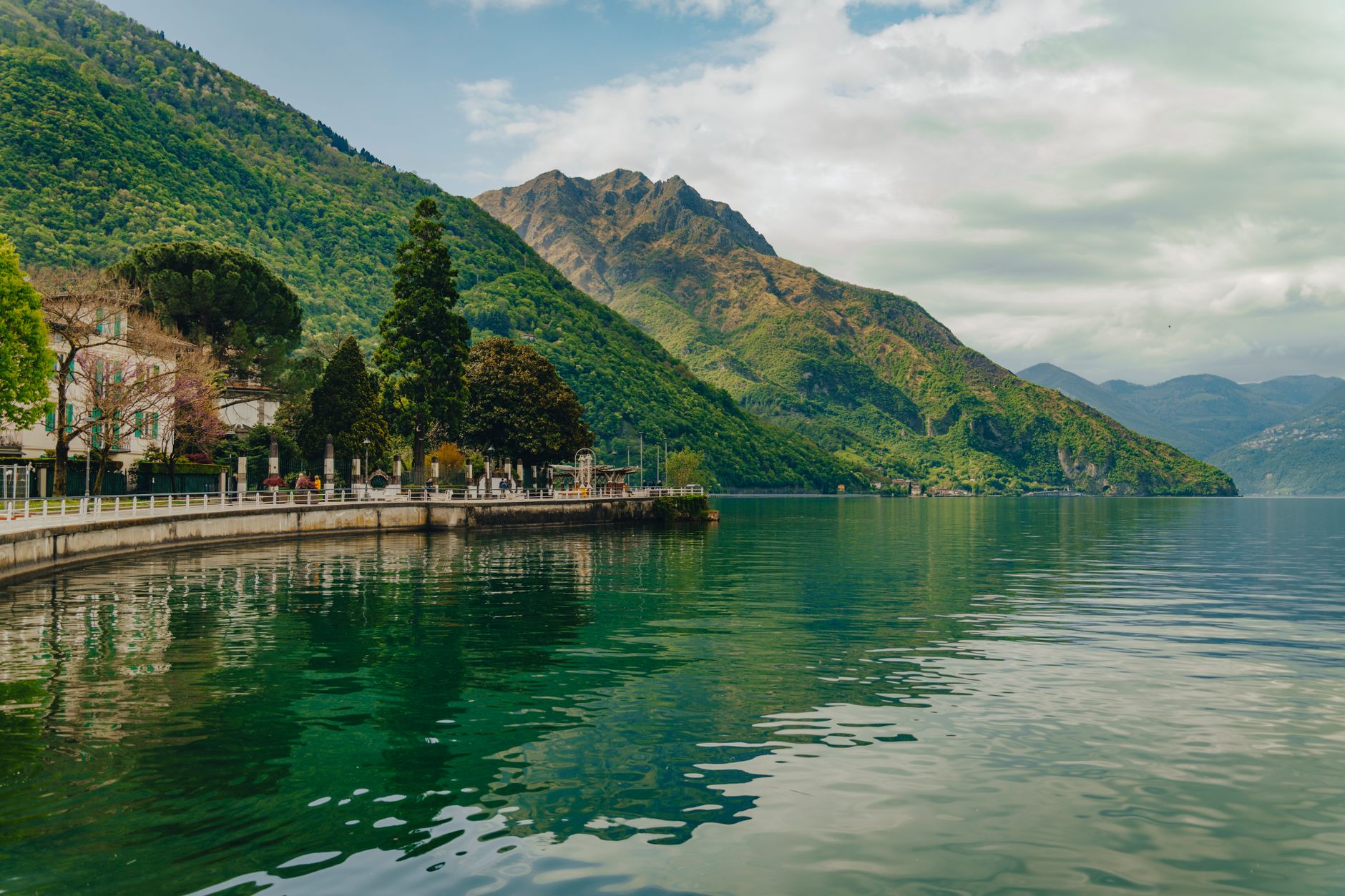
The scenery does the rest: green pasture, meltwater lakes cold enough to make you gasp, cable cars that lift you above the tree line in minutes. Towns around the Italian lakes, the Austrian Tyrol and the Swiss valleys are built for walking, swimming in cold water, and sitting still in the shade of a mountain.
The honest trade-offs: the Alps in August are popular with the whole of Europe, so accommodation is pricier and needs booking early. Mountain weather turns fast — pack a proper waterproof, because an afternoon storm can roll in even on a bright morning. And most routes from Cyprus mean a connection through a major European airport rather than a direct hop.
The lakes and forests of central and northern Europe
If altitude feels like too much effort, the flatter green heart of Europe delivers relief through shade and water. Think the lake districts of Germany and Poland, the forests and rivers of the Baltic states, the Czech and Bavarian countryside. It is warm in the sun but comfortable in the shade, and the evenings cool down properly — the single thing a Cypriot summer never does.
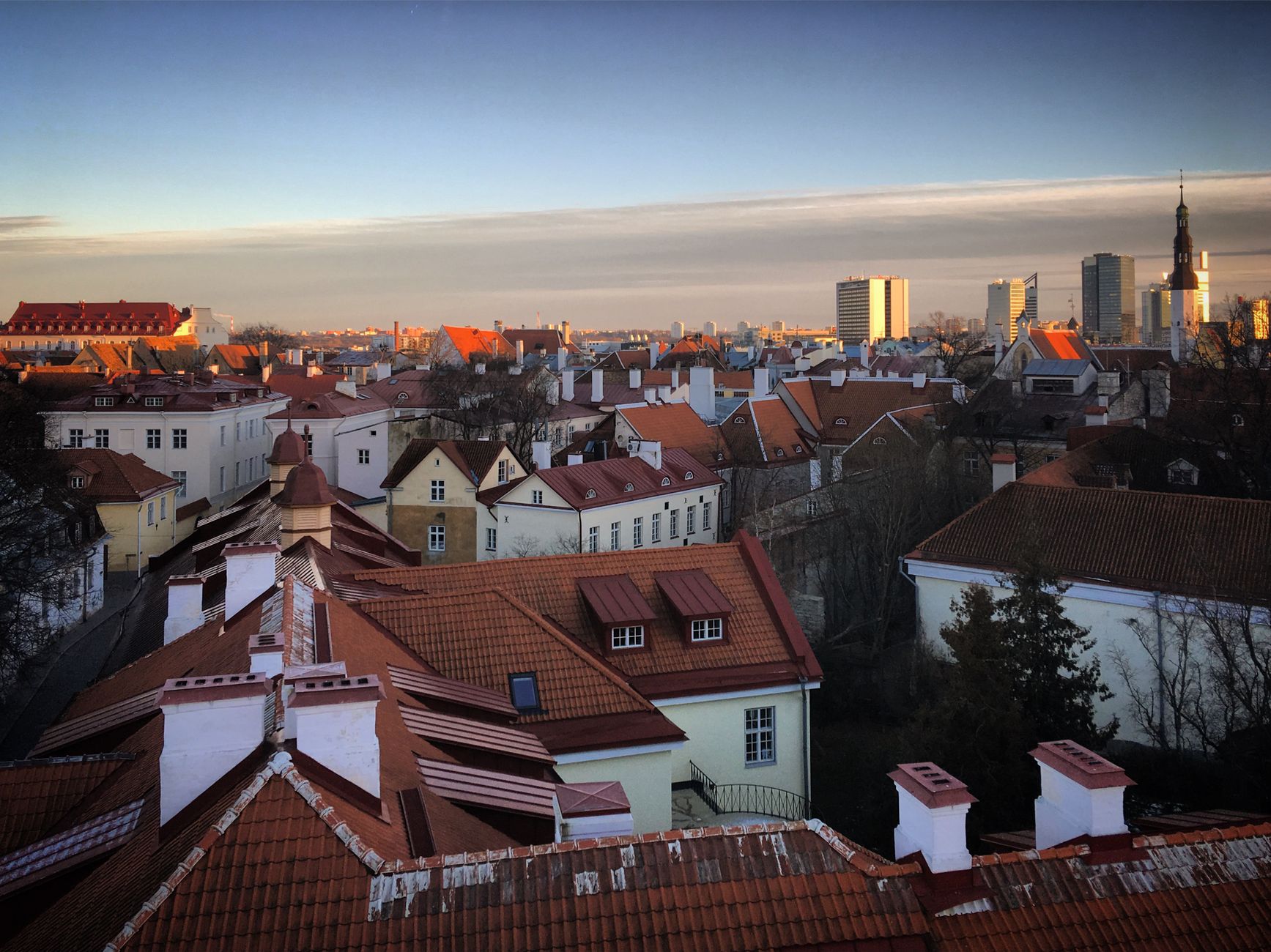
What you get here is calm rather than drama: wooded cycle paths, lakes you can swim in without flinching, long lunches that do not leave you wilting. Cities like Kraków, Vilnius, Tallinn and the smaller German hubs are compact, walkable and far cheaper than the Alps or Scandinavia once you are on the ground.
The catch is the season is short and the weather is a lottery. Central Europe can serve up a run of grey, drizzly days even in high summer. Pack layers, treat the sunshine as a bonus, and choose a base with enough indoors — galleries, cafés, thermal baths — to make a wet afternoon pleasant rather than wasted.
Where to go for cool air on the Atlantic edge
The Atlantic is Europe's natural air conditioning. The coasts of Ireland, Brittany, the Basque country and Portugal's north stay markedly cooler and fresher than the Mediterranean, with a breeze off the ocean that cuts the humidity completely. After weeks of still Cyprus heat, that wind alone feels like a holiday.
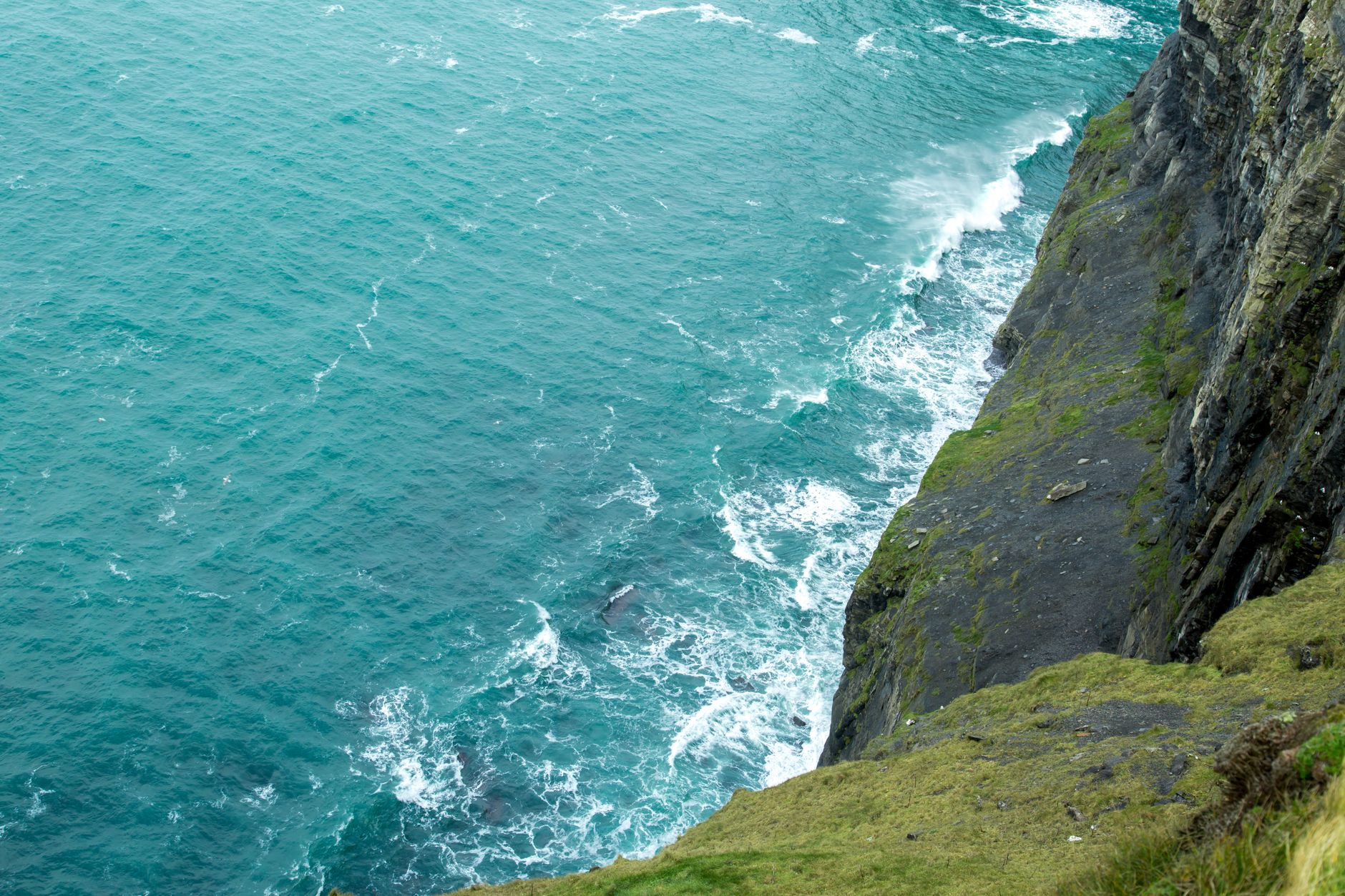
This is the choice for people who want the sea without the bathwater — bracing swims, dramatic cliffs, seafood, and green that stays green because it actually rains. Ireland is the extreme version: reliably mild, reliably damp, unmistakably not August in Larnaca.
Trade-offs to be honest about. Direct routes from Cyprus to the Atlantic fringe are thin and seasonal, so expect a connection. The same rain that keeps everything green will find you, so this is not a guaranteed-tan trip. And the water is cold enough that "going for a swim" and "going for a quick dip and getting straight out" become the same activity.
The long light of a Scandinavian summer
For the biggest contrast with a Cyprus August, go far north. A Scandinavian summer runs cool, fresh and astonishingly long on daylight — the evenings stretch out so far that you lose track of time entirely. Cities like Stockholm, Copenhagen, Oslo and Helsinki are built around water, parks and clean air, and the surrounding archipelagos and fjords are the real prize.

The appeal is the temperature and the rhythm: warm enough to sit outside, cool enough to sleep well, and light enough to keep going long after a Cypriot night has fallen. It resets you in a way a hotter destination cannot.
The obvious trade-off is cost. Scandinavia is expensive year-round and peaks in summer, so budget for pricier food, drink and hotels than anywhere else on this list. The season is genuinely brief, and even here a cold, wet spell is possible. Book flights and rooms well ahead, because these routes fill and prices climb through peak August.
To weigh these four escapes against each other at a glance:
| Escape | What you get | The main trade-off |
|---|---|---|
| Alpine towns | Altitude, cold lakes, fleece-cool evenings | Popular and pricey, connection needed, fast-changing weather |
| Central and northern lakes and forests | Shade, swimmable lakes, evenings that cool properly | Short season, weather a lottery |
| Atlantic edge | Ocean breeze, bracing swims, cliffs | Thin seasonal routes, rain likely, cold water |
| Scandinavia | Cool air, long daylight, fjords and archipelagos | Most expensive, brief season |
Wherever you end up going, it pays to sort the basics early: book somewhere to stay while the good-value places are still free, and hire a car if you are heading somewhere the trains do not reach.
Booking the escape without overpaying in peak August
The uncomfortable truth is that when Cyprus is at its hottest, half of Europe is also on the move, and the cool green places are exactly where everyone wants to be. That pushes fares and hotel rates up right when you most want to leave.
A few durable habits help. Midweek departures tend to be gentler on the wallet than weekend ones. Shoulder-season timing — the very start of summer or the first weeks of September, when the island is still baking but northern schools are back — often means cooler crowds and better prices for the same fresh air. Stay flexible between Larnaca and Paphos, since one airport sometimes has the route or the fare the other lacks. And set your dates before you fall in love with a destination, rather than the other way round.
We post fares from both Cyprus airports daily, and the Telegram channel and newsletter are the quickest way to catch a good northern route before it sells out. When you need to escape the summer heat, the flight is the part worth watching closely — the cool air, once you land, takes care of itself.
Frequently asked questions
Which escape gives the biggest contrast with a Cyprus August?
Scandinavia offers the sharpest change. A Scandinavian summer runs cool, fresh and astonishingly long on daylight, with evenings that stretch out so far you lose track of time. It resets you in a way a hotter destination cannot — though it is the most expensive option on this list.
Which option is the most budget-friendly?
The lakes and forests of central and northern Europe. Cities like Kraków, Vilnius, Tallinn and the smaller German hubs are compact, walkable and far cheaper than the Alps or Scandinavia once you are on the ground. The main catch is a short season and unpredictable weather, so pack layers and choose a base with enough indoors.
Can I fly direct from Cyprus to these places?
Often not. Most Alpine routes mean a connection through a major European airport rather than a direct hop, and direct routes to the Atlantic fringe are thin and seasonal, so expect a connection there too. Staying flexible between Larnaca and Paphos helps, since one airport sometimes has the route or the fare the other lacks.
How do I avoid overpaying in peak August?
Midweek departures tend to be gentler on the wallet than weekend ones. Shoulder-season timing — the very start of summer or the first weeks of September — often means cooler crowds and better prices. Set your dates before you fall in love with a destination, and book flights and rooms well ahead, because peak routes fill and prices climb.
Related reading
- The Best Weekend Getaways from Cyprus, Four Hours or Less
- How to Turn Cyprus's Public Holidays into Cheap Long Weekends
- Flying with Kids from Cyprus: A Parent's Survival Guide
Useful links
Spotted a mistake? Let us know.